That Luang (Pha That Luang)
That Luang (Pha That Luang)
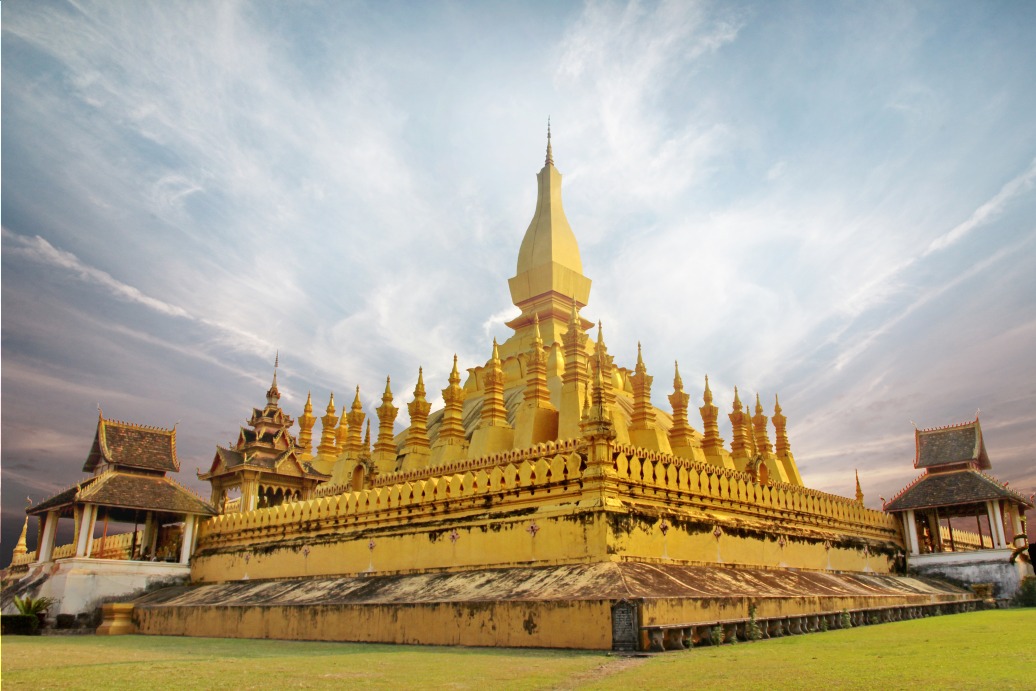
Pha That Luang is the national monument of Laos: a grand golden Buddhist stupa from the 16th century, symbol of Lao sovereignty, best visited in late afternoon for its golden light.
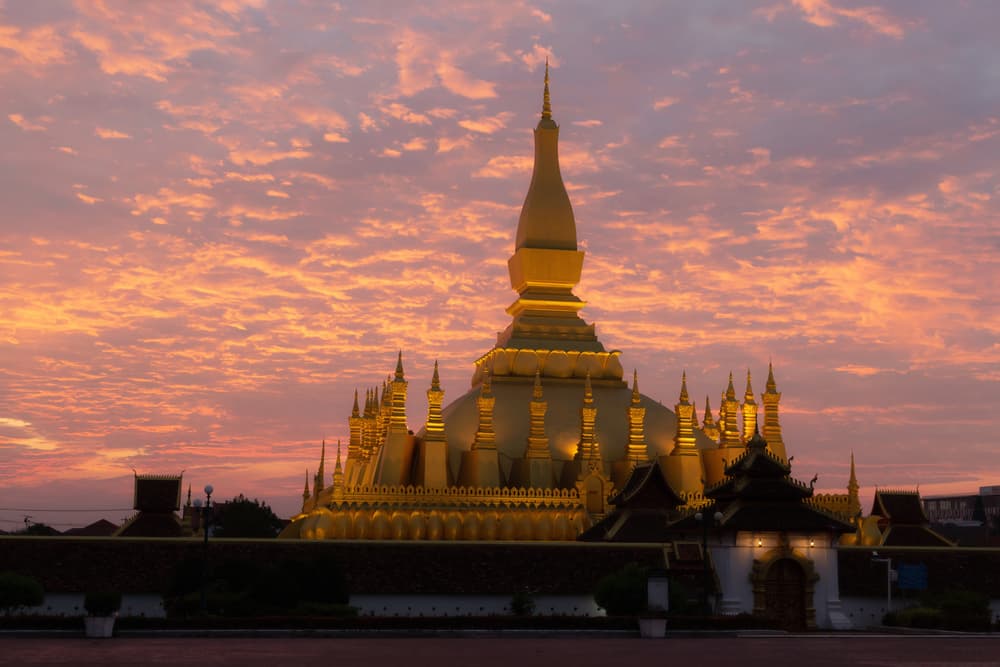
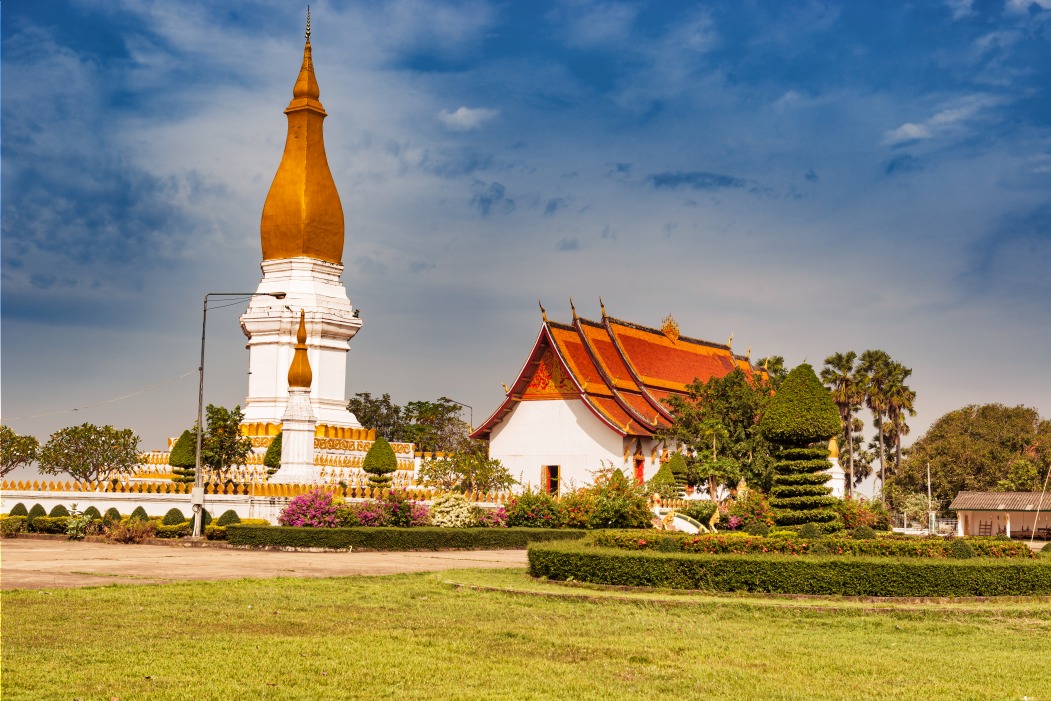
Pha That Luang is the national monument of Laos. This grand golden Buddhist stupa stands in the northeast of Vientiane, visible from afar across the plain. Built in the 16th century on the foundations of a Khmer temple, it symbolizes both Lao sovereignty and Theravada faith. Its image appears on the national seal and banknotes. No other site in the country carries such weight of history, spirituality, and national identity.
Practical Information at a Glance
- Admission: Paid entry (tickets in kip at the site entrance)
- Closed days: Closed Mondays and certain Buddhist holidays — check before visiting
- Recommended duration: 45 minutes to 1.5 hours depending on your interest in the cloister and chapels
- Dress code: Shoulders and knees must be covered; sarongs are sometimes available at the entrance
- Footwear: Remove shoes before entering inner sacred areas
- Access: Tuk-tuk, taxi, or bicycle from central Vientiane; no direct urban bus service
What to See
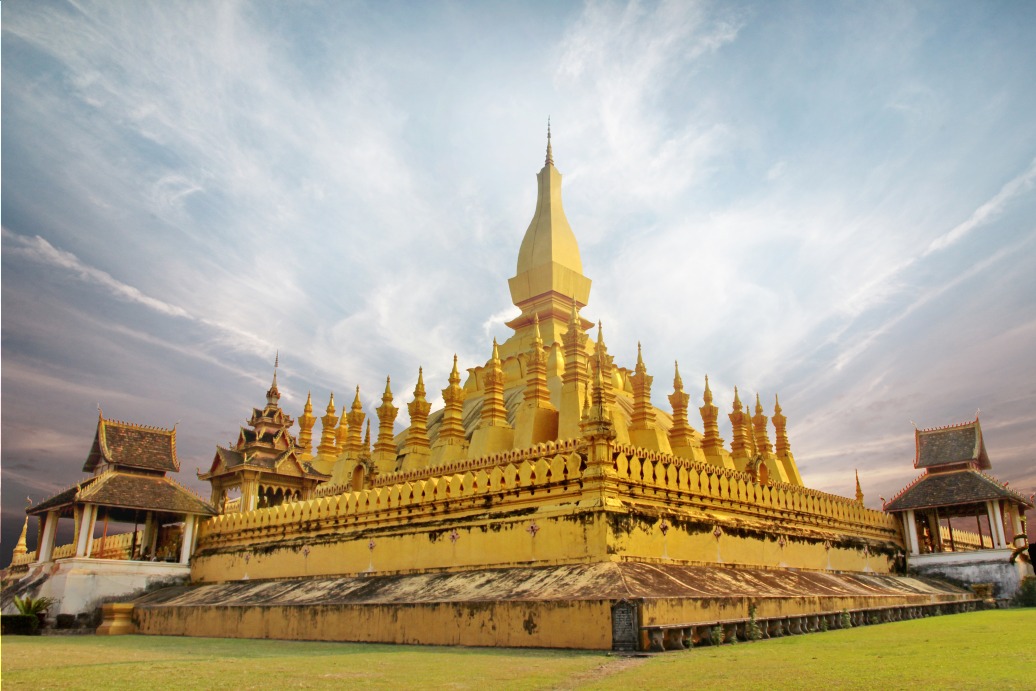
The central stupa stands approximately 45 meters tall. Its three-tiered pyramidal form represents the stages of Buddhist enlightenment. The entire complex is surrounded by a square cloister dotted with small chapels and Buddha statues. Two temples flank the enclosure: That Luang Neua to the north and That Luang Tai to the south. The gilding is refreshed regularly; on clear days, the stupa gleams brilliantly in late afternoon.
History and Context
According to tradition, a Khmer stupa may have existed here as early as the 3rd century. King Setthathirath had the structure rebuilt in 1566 after moving the capital to Vientiane. The site was pillaged and partially destroyed by Siamese forces in 1779, then by the Hô in 1887. The French restored it in the early 20th century, though not without controversy over architectural accuracy. A more rigorous restoration took place following independence.
Highlights of Your Visit
The Central Stupa and Its Three Tiers
Each tier carries doctrinal significance. The first represents the earthly realm, the second the Buddhist world, the third nirvana. The stylized lotus moldings adorning the base are characteristic of classical Lao art.
The Cloister and Its Chapels
The rectangular cloister houses dozens of Buddha statues, votive offerings, and flower tributes. Devotees come here daily to pray. The atmosphere is more contemplative than at the main stupa.
The That Luang Festival (Ok Phansa)
Each November, during the full moon of the twelfth Lao month, the site hosts one of the country's largest religious festivals. Thousands of monks and pilgrims converge on Vientiane. If your stay coincides with this period, the visit becomes truly exceptional.
Etiquette and Visiting Rules
- Shoulders and knees covered — bring lightweight long-sleeved clothing or a sarong.
- Remove shoes before entering inner sacred spaces.
- Do not turn your back to Buddha statues for photographs.
- Speak softly in the cloister, especially when monks are praying.
- Do not touch statues or offerings.
Photography Tips
The golden light of late afternoon (4 pm–6 pm) brings out the stupa's brilliance. Arrive early in the morning to avoid crowds and photograph the cloister in peace. A wide-angle lens lets you capture the entire complex from the entrance esplanade. Photography is permitted throughout most of the site; avoid photographing worshippers in prayer without their consent.
Location and Access
That Luang is located in the northeast of central Vientiane, about 4 km from the Patuxai monument. The That Luang Boulevard connects the two sites directly. By tuk-tuk from the center, expect about ten minutes. By bicycle, the route is flat and manageable. The site is not easily wheelchair accessible due to the steps leading to the stupa's upper levels.
Nearby Attractions
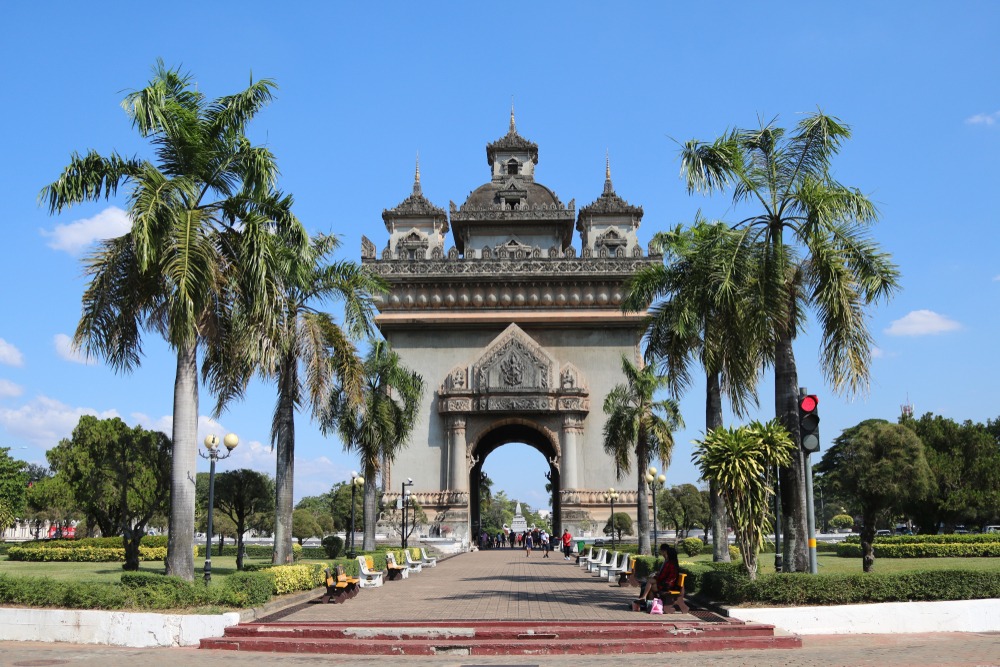
- Patuxai — the Lao triumphal arch, a few kilometers west on the main boulevard.
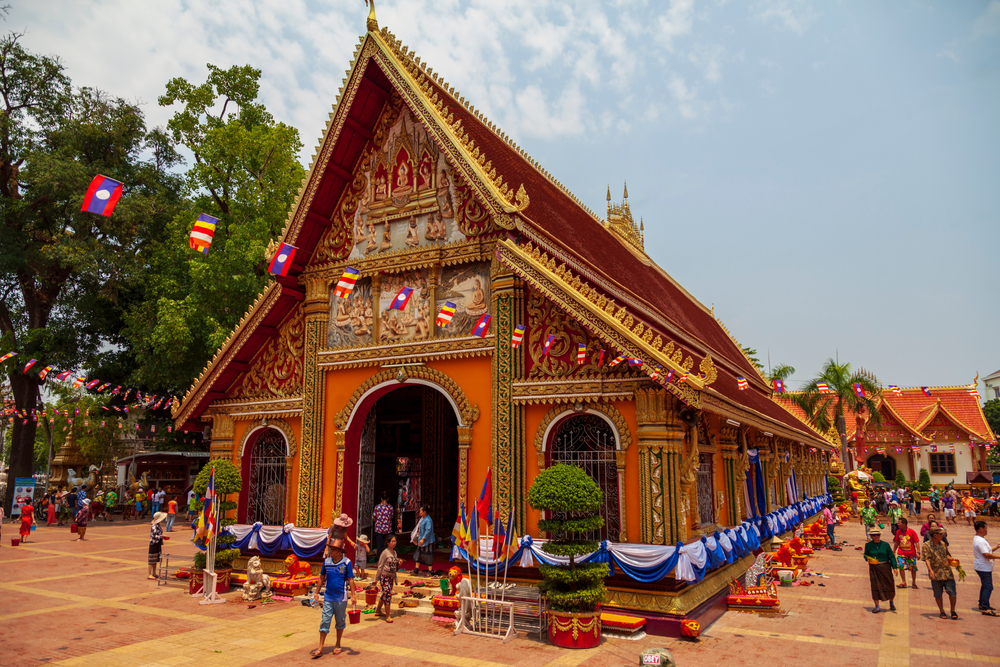
- Wat Si Saket — Vientiane's oldest temple, featuring thousands of Buddha statuettes in the cloister niches.
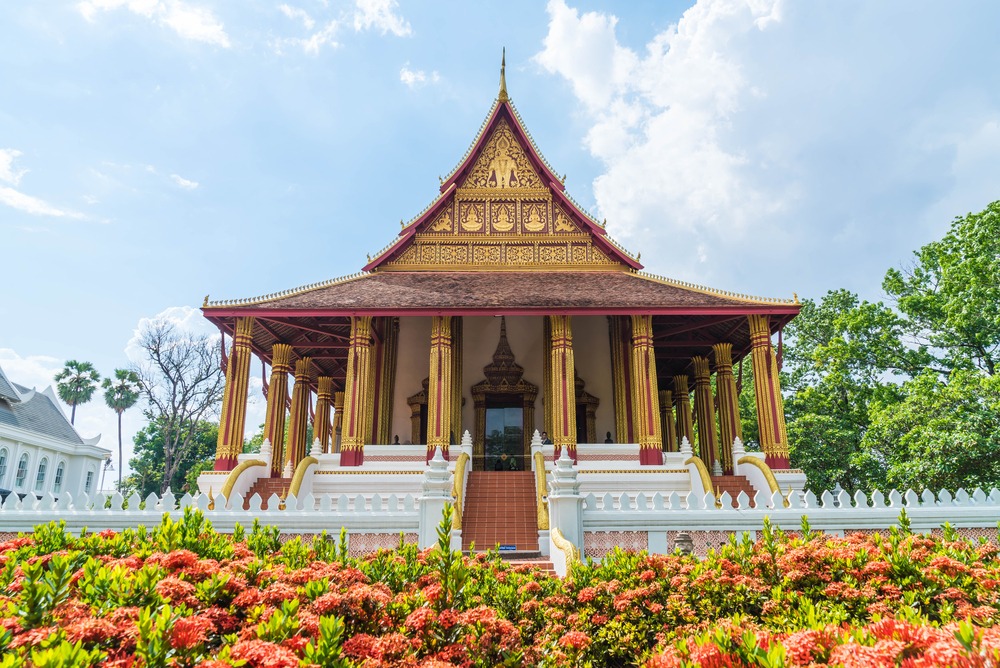
- Haw Pha Kaew — former royal temple now converted into a museum of Lao religious art.
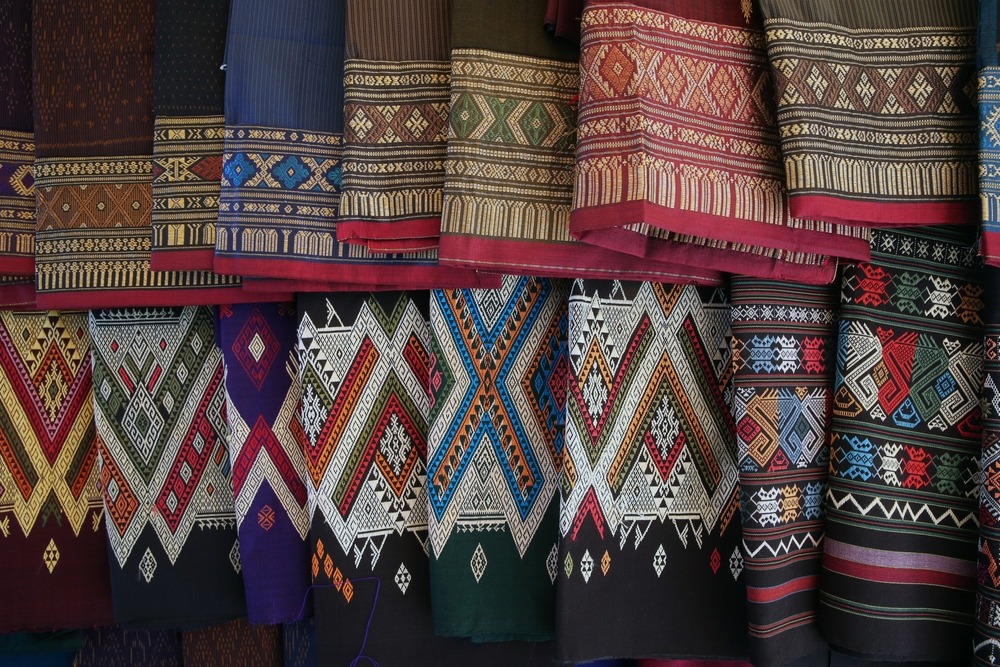
- Morning Market (Talat Sao) — large covered market in the city center, ideal for Lao crafts and textiles.
Frequently asked questions
The dry season (November to April) offers the best conditions: clear skies, manageable heat in the morning. November coincides with the That Luang Festival, which is lively but also very crowded.
Yes. Shoulders and knees must be covered. Bring lightweight clothing or a sarong; some are occasionally available at the entrance, but it's best not to rely on this.
Yes, this is the classic Vientiane circuit. Start with Wat Si Saket and Haw Pha Kaew in the morning (close to each other), then head to That Luang in late afternoon for the golden light.
Yes, throughout most of the site. Avoid photographing monks or worshippers in prayer without their permission, and do not climb on structures to take photographs.
Allow 45 minutes for a quick visit to the stupa and esplanade. Plan 1.5 hours if you wish to explore the cloister, the two subsidiary temples, and observe the site's religious life.
Partially. The outer esplanade and the cloister ground floor are accessible. The upper levels of the stupa require climbing steps and remain difficult to access by wheelchair.
Nearby
Interested in this visit?
We can include it in your personalised itinerary.