Vieng Xay Caves
Vieng Xay Caves
In the limestone karsts of northeastern Laos, the Vieng Xay Caves sheltered the Pathet Lao leadership during American bombing campaigns. A rare historical site, 30 km from Sam Neua.
In the karst mountains of northeastern Laos, roughly twenty kilometers from Sam Neua, the Vieng Xay Caves form a network of natural caverns that served as the underground capital of the Pathet Lao during the Vietnam War. Between 1964 and 1973, thousands of people lived here, sheltered from American bombing campaigns. Today, this major historical site remains one of the most striking testimonies to the secret war in Laos.
Quick reference guide
- Access: Vieng Xay is located approximately 30 km east of Sam Neua (Xam Neua), capital of Houaphan Province — reachable by tuk-tuk or rental vehicle.
- Admission: Paid entry; tickets typically include an audio guide in English-speaking or French.
- Suggested duration: Half-day minimum to visit the main caves.
- Audio guide: Highly recommended — it is the primary interpretive resource for the site.
- Attire: Closed-toe shoes are essential (uneven and damp ground).
What you'll see
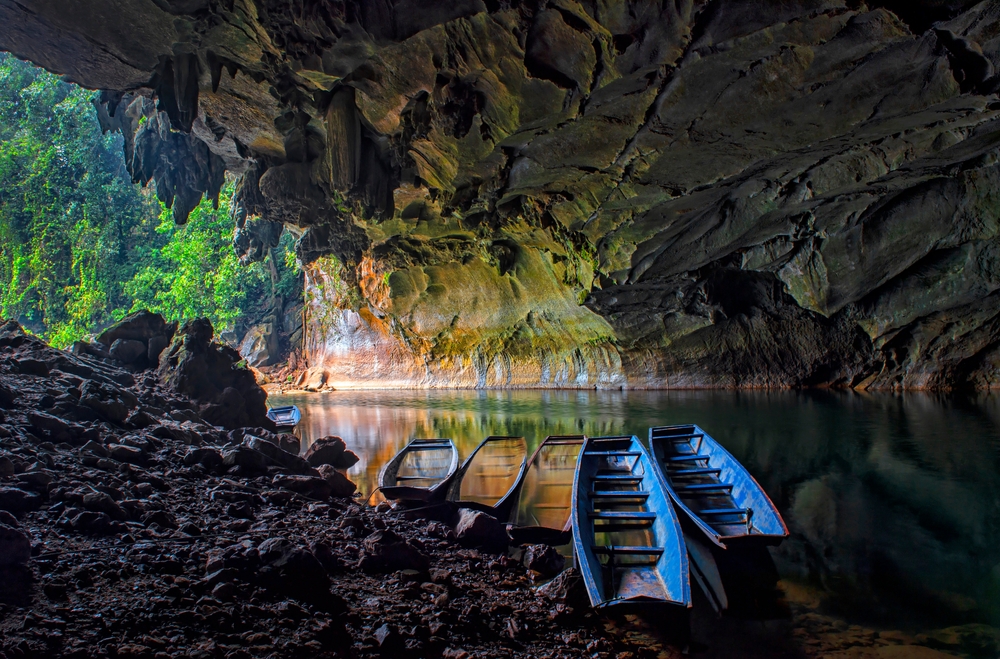
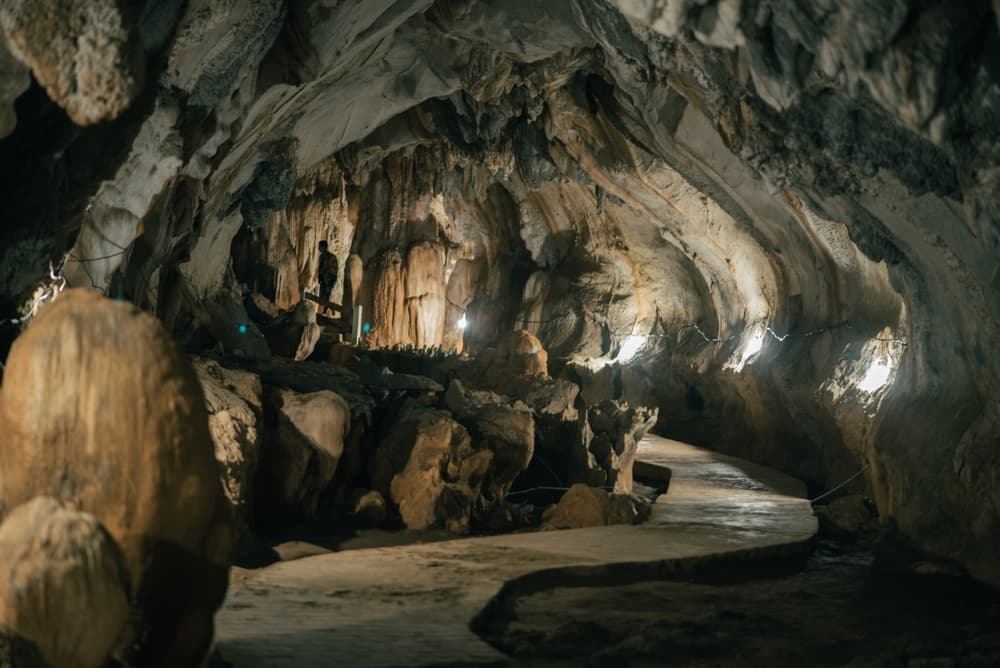
The site comprises several developed caves, each having sheltered a leader or specific function. You'll find meeting halls carved into the rock, dormitories, makeshift hospitals, and printing presses. Tropical vegetation surrounds the entrances, often concealed within the cliff face. Some caverns still retain period furniture and equipment.
History and context
During the Vietnam War, Laos endured one of the most intense aerial bombing campaigns in history — over two million tons of ordnance dropped between 1964 and 1973. The Pathet Lao movement, backed by North Vietnam, established its political and military headquarters in these natural caves of Houaphan Province. Kaysone Phomvihane, who would become Laos's president, lived here for several years. After the 1975 victory, Vieng Xay became the country's provisional capital.
Highlights of your visit
The Kaysone Phomvihane cave
Residence and office of the future president, this cavern is the best-preserved. It comprises a workspace, bedroom, and a bomb shelter carved deeper into the rock. The audio guide evokes the atmosphere of this underground existence.
The Souphanouvong cave
Former residence of the "Red Prince," an emblematic figure of the Pathet Lao. The cave is more expansive and preserves furnishings that reveal the daily life of wartime leaders.
The collective caves
Several caverns housed hospitals, schools, and workshops. They illustrate the organization of an entire society withdrawn underground, capable of sustaining civil life despite relentless bombing.
The surrounding karst landscape
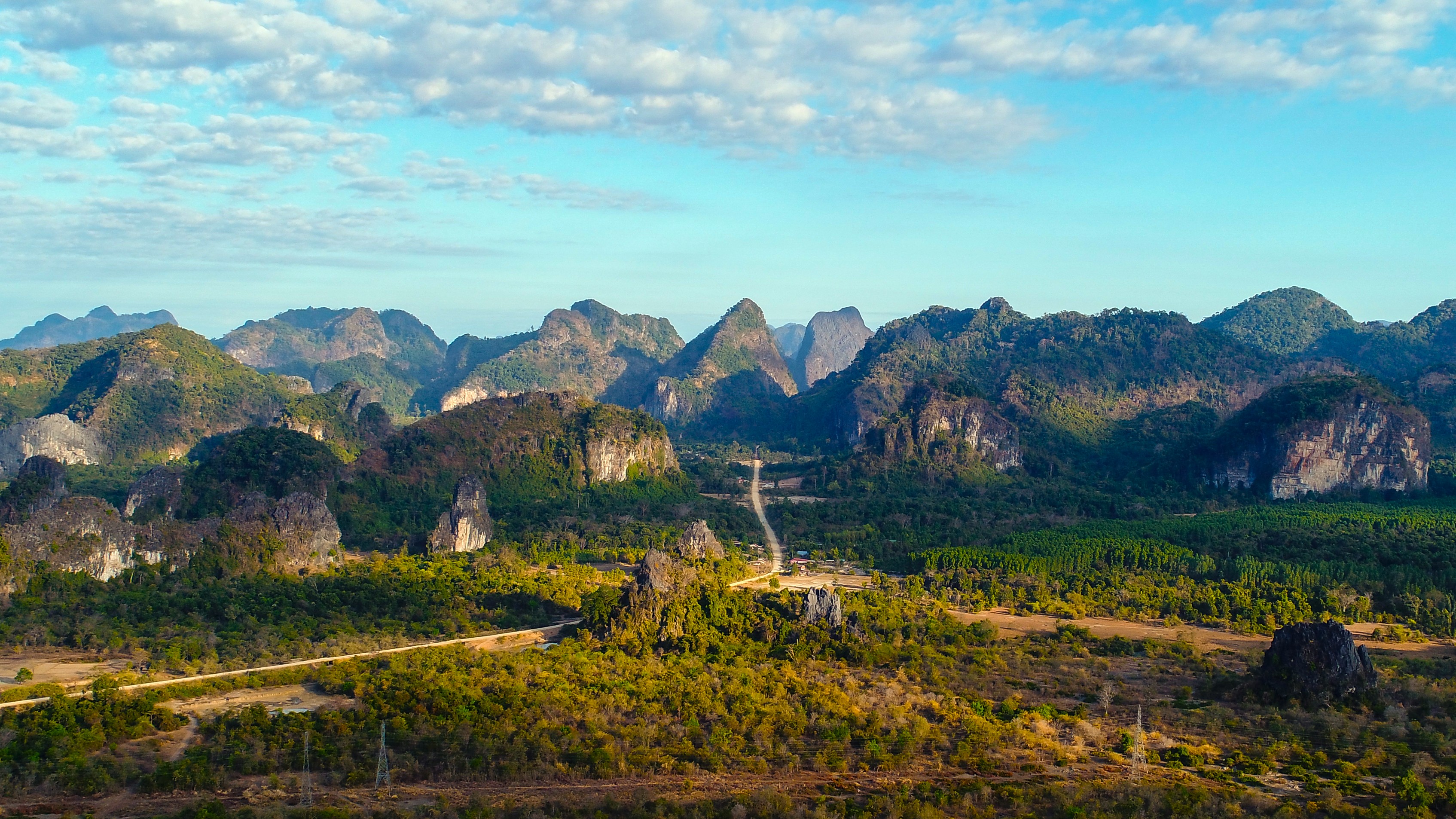
The limestone peaks dominating the Vieng Xay valley offer spectacular natural scenery. Dense vegetation and steep cliffs explain why this site was chosen as a strategic refuge.
Photography tips
Natural light is scarce inside the caves — a camera capable of low-light performance or a lightweight tripod is helpful. Cave entrances, framed by vegetation and cliff faces, offer the best angles in late morning. Check photography restrictions at the entrance: certain areas may be limited.
Location and access
Vieng Xay is located in Houaphan Province, in northeastern Laos. Sam Neua is the nearest town with accommodation and bus connections from Vientiane or Phonsavan. The road between Sam Neua and Vieng Xay is paved and passable year-round. No direct air service to Vieng Xay — Sam Neua airport serves the region with domestic flights from Vientiane.
Nearby attractions
- Sam Neua (Xam Neua) — capital of Houaphan, your logistical base for visiting Vieng Xay, with a lively local market.
- Plain of Jars — major archaeological site in Laos, accessible from Phonsavan, several hours' drive to the southwest.
Frequently asked questions
The dry season, from October to April, eases road access and makes walking between caves more pleasant. The rainy season (May–September) makes some paths slippery.
Yes. The caves are minimally signposted outside of the audio guide, which provides the historical context essential to understanding what you see. It is available in English-speaking and French.
Closed-toe shoes with slip-resistant soles are essential. Cave floors are damp and uneven. A light jacket may be useful inside the caverns, which are cooler.
Sam Neua is easily visited the same day or the day before. For the Plain of Jars, allow a day's drive — it's best to plan an overnight stay in Phonsavan.
Access is challenging: paths between caves are on slopes, and entrances often have steps or narrow passages. The site is not wheelchair-accessible.
The fastest option is a domestic flight to Sam Neua, then a vehicle transfer to Vieng Xay. By bus, the journey from Vientiane takes approximately two days with a connection in Sam Neua.
Interested in this visit?
We can include it in your personalised itinerary.