MuangXai
MuangXai
A discreet capital in northern Laos, MuangXai conceals 12 ethnic groups, one of the country's largest caves, and villages where time moves to the rhythm of the rice paddies.
It's not uncommon to see towns and villages throughout Laos marked by the culture and influence of neighboring countries like Thailand, Vietnam, or China. The major city of MuangXai, also known as Oudomxay and Udomxai, is one of these multifaceted Lao cities.
It is known as the convergence point of several ethnic groups, numerous roads, and above all, the gateway between the Land of a Million Elephants and China. Often viewed more as a commercial hub than a tourist destination, many travelers pass through quickly. Yet lingering here reveals authentic Laos and opens doors to diverse activities.
History
According to historical records, the name "MuangXai" is said to originate from an unexpected encounter between a Buddhist monk and a few fishermen.
First, it should be known that the Lao Ly people from Sipsongpanna (China) arrived in the Oudomxay province in 1260 and established the village of Ban Luang Cheng (today's Bang Cheng of MuangXai), in the city of Takka Sila.
One fine day in 1323, some inhabitants of this small Lao town went into the forest to cut bamboo. They needed material to make their fishing baskets. As they took out their tools, they spotted a monk approaching them. His name was Paxay. He asked what they were doing. They told him and offered him food. Following this lovely tale, the locals changed their town's name to "MuangXai."
Later, in 1987, this locality became the capital of Oudomxay province, replacing Ban Nahin.
In recent years, it has focused on reducing poverty among its inhabitants by investing in tourism. In 2005, it established a tourism office in collaboration with the German Development Service (DED). In 2007, this office was converted into a provincial department. Various options are offered: trekking and hiking, culinary adventures, zip-lining, cycling, Lao origami workshops, and more.
Today
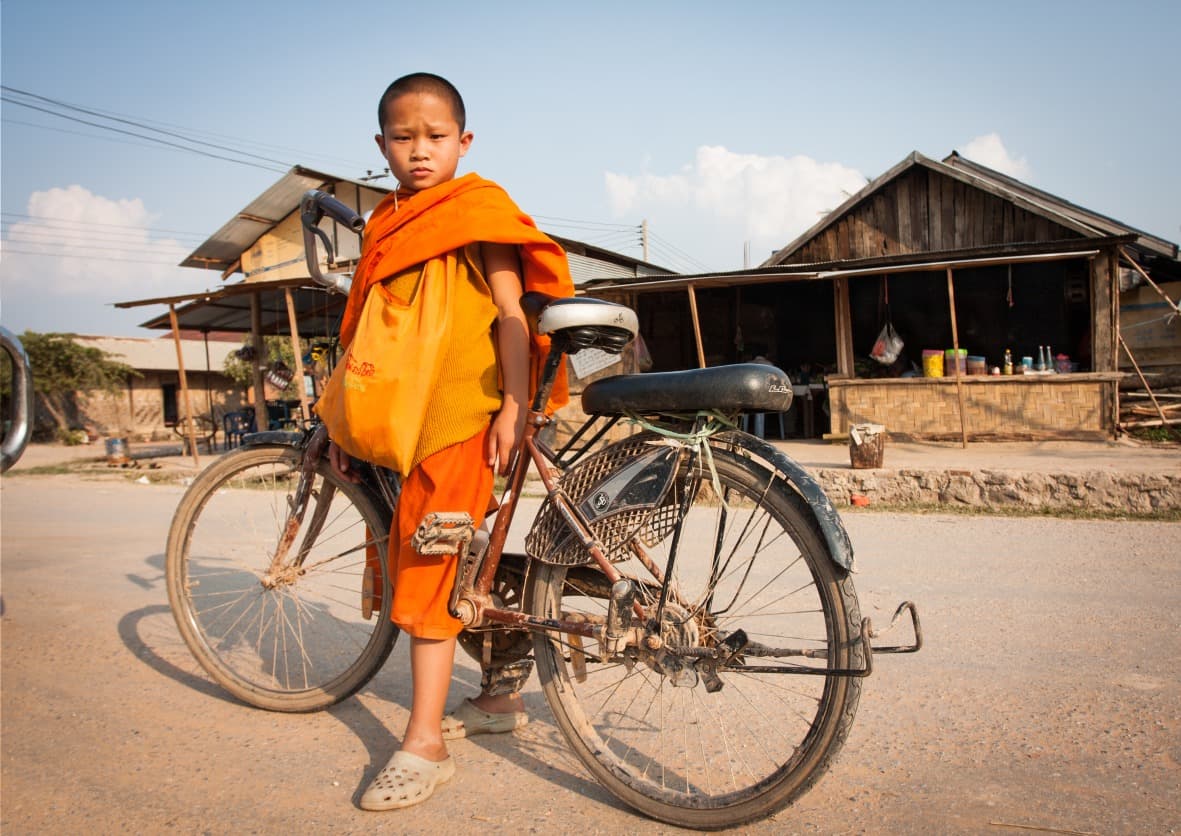
Visiting or staying here means understanding that the population is diverse, made up of 12 local ethnic groups and Chinese residents. The Khmus are the majority. Lao is spoken with the famous "Sabaidee" greeting and a Yunnan dialect. The urban landscape is increasingly filled with Chinese businesses and stores. Laos remains here but not at its fullest potential, at least on the surface.
Contrary to popular belief, this major hub in the north of the country has much to offer both in its downtown and surroundings in terms of escape and entertainment.
The City Itself
Often overlooked by backpackers, MuangXai's downtown has several sites worth visiting.
Its Markets
For souvenirs, the city has numerous markets. Those seeking fresh foodstuffs head to its three markets: the Tin Market, Nonmengda, and Phoukhaiw. Mostly, it's villagers from the surrounding areas who come to sell their agricultural, fishing, handicraft, and hunting products. Occasionally, you'll spot rare animals on the merchants' stalls. The Luxay Market offers clothing, shoes, and necessities. The Chinese Market, meanwhile, specializes in clothing and household appliances.
The Temple of Wat Phu That
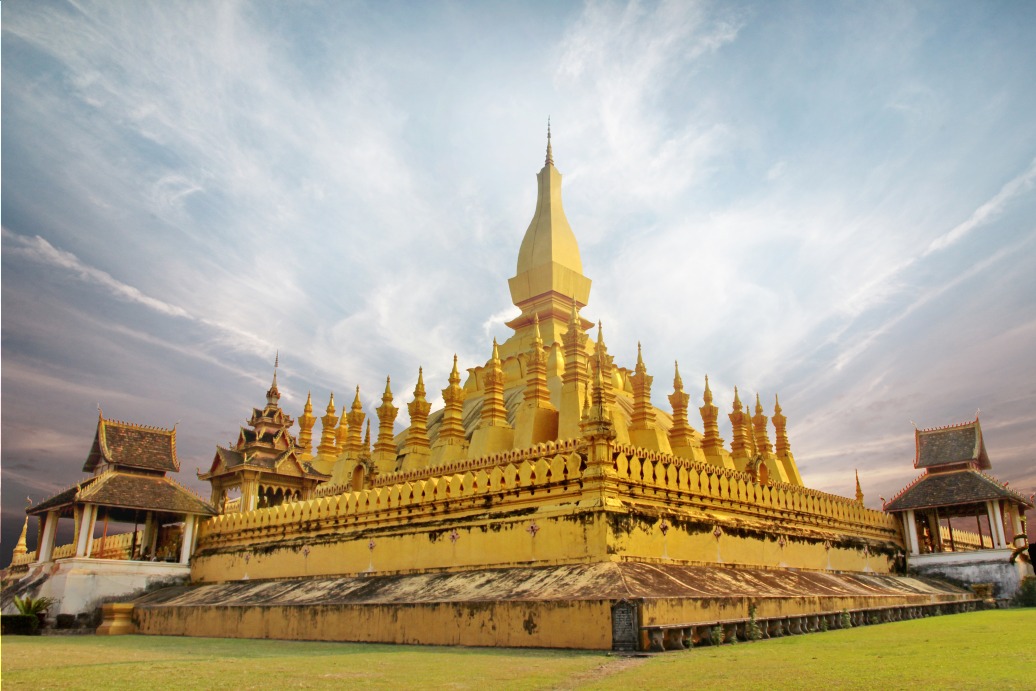
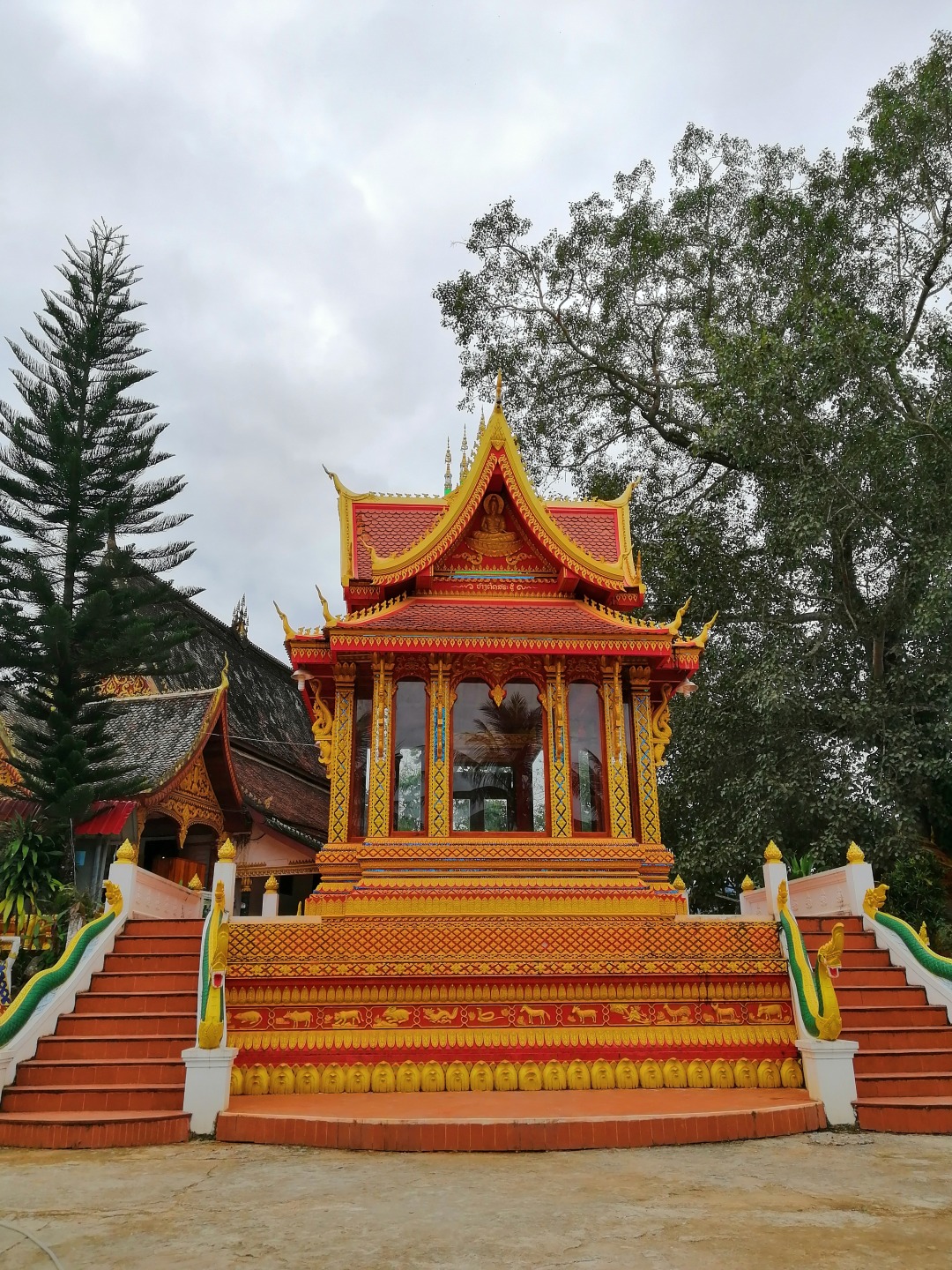
The city's Buddhist monument is the famous Wat Phu That. Entry and visits are free. Perched on a hilltop, this grand 18-meter stupa commands sweeping views of the mountains and forests in the background. It is a place of worship and gathering for locals. This great Buddhist edifice dates from the 14th century. When Laos was under French protectorate, it served as a war camp. During the First Vietnam War, it was reduced to ruins and rubble. In 1994, its reconstruction was initiated and completed three years later. Beautifully restored, since 2010 the temple has housed a 15-meter golden Buddha statue.
The Oudomxay Museum
Located atop PhouSebey mountain and across from Wat Phu That, this place offers a sublime panorama of the surroundings and displays some ethnic remnants from the region.
The Surroundings
Many tourists add MuangXai to their travel plans for its neighboring attractions. Some have earned international recognition for the region. Among the surrounding gems are:
Nam Kat Yorla Pa
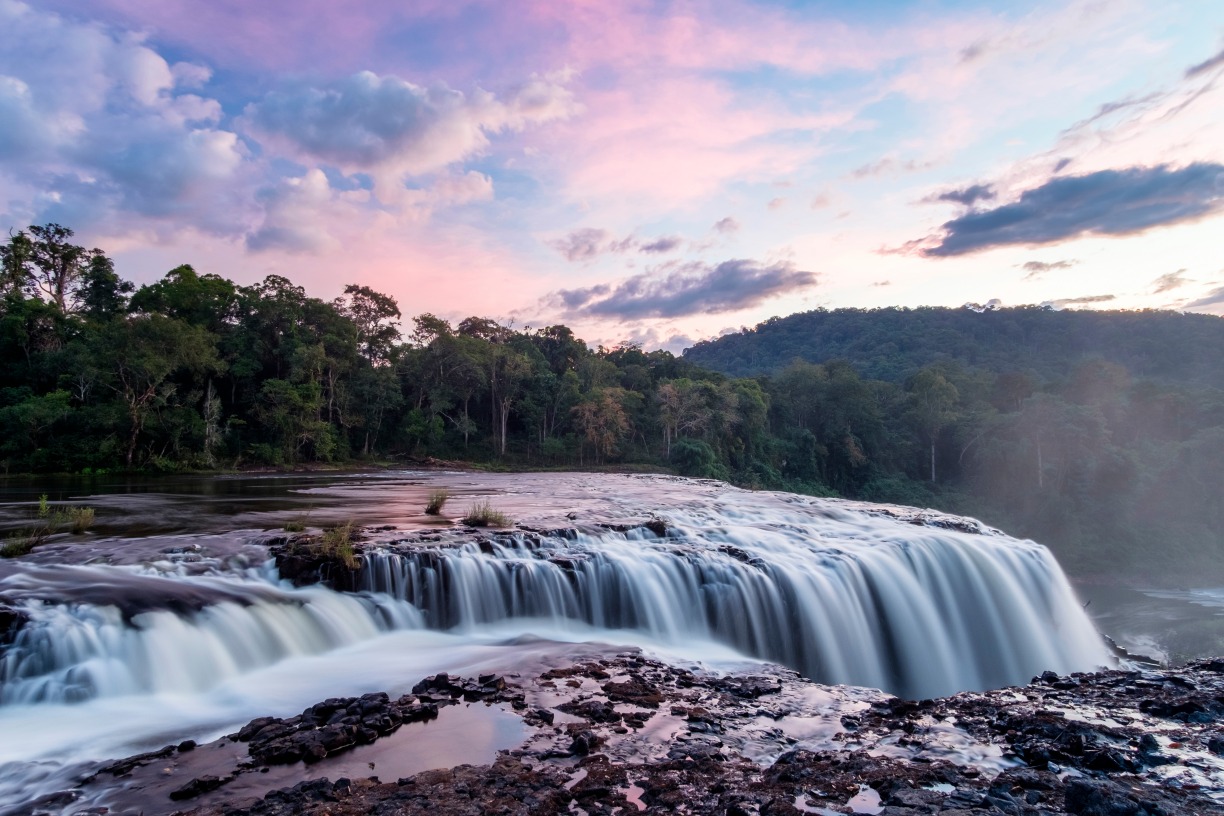
This is a pristine forested zone encircling the waterfall and the Nam Kad river. This privately-owned location is situated to the northeast, 17 km from the city. To enchant visitors with the beauty of the place and facilitate relaxation, a luxury resort has been installed. It's perfect for both unwinding and outdoor activities.
Chom Ong Cave
Some 45 km from the city, this recently discovered cavern is one of the largest in northern Laos. In certain sections, it stretches 16 km long with heights reaching 50 meters. Hypnotic and awe-inspiring, it features both a "dry cave" and a "river cave." Of incomparable splendor, it delights speleology enthusiasts and trekking lovers with its gigantic stalagmites and stalactites. Indeed, the challenging journey to this site is truly worthwhile. It's accessible via a 1-hour walk from Ban Chom Ong. Since it's sealed by a bamboo gate, entry (10,000 kips) and parking (3,000 kips) fees apply. Hiring a guide from Chom Ong village is also required before exploring its depths: 50,000 kips per group of up to 8 visitors.
Nam Hin Lake
This large lake is fed by the overflow of several small rivers descending from adjacent mountains. It captivates with its splendor and expansive size. All around it, organic farms, restaurants, and small boats have settled in. Just 8 km away and 1 hour from MuangXai, this spot appeals for its tranquility, picnics, and boat rides.
Ethnic Villages
Muang La
This charming riverside town is one of the reasons tourists visit MuangXai. Only 28 km to the north and a mere 1-hour drive, it's bordered by the Nam Phak river. It sits in the heart of agricultural lands and charming hills. Rustic and pastoral, one appreciates the slow rhythm of life, its natural hot springs, local customs, and crafts. Its celebrated and majestic PhaSingkham is considered one of the province's most sacred pagodas. It is believed to date back over 2,000 years.
Ban Ao No and Its Akha People
Originally from China, the Akha of this village migrated to Laos in 1882, led by their chief Ao No. Located 32 km from Muang La, it's a place to discover the culture, lifestyle, and customs of local residents. The best attractions reveal themselves during the Akha New Year (February).
Ban Nyor and Its Thai Lue People
Situated in Meuang Beng district, this charming hamlet is 53 km from MuangXai and at the heart of the economic zone between China, Thailand, and Vietnam. Its attractions center on remarkable handmade pottery, cotton textiles, culinary specialties, homestays, traditional performances, and notably the Baci ceremony or soukhouan.
Ban Chom Ong
Along with Muang La, Chom Ong village presents incredible tourism potential. Its 500 inhabitants belong to the Khmu ethnic group. People visit to experience an epic and authentic adventure with the local tribe, discover their crafts, and access its famous caves and waterfalls. Far from the bustle of modern life, this small Lao community lives surrounded by rice paddies and towering mountains. It's one of the flagship destinations in the trekking packages offered by the tourism office (360,000 kips per person per day).
Ban Nam Heeng
The destination itself lacks interest. It's the journey there that counts. This village mainly serves as a route to Ban Chom Ong. The difficulty of this 5-hour trek is offset by the stunning landscapes along the way.
Climate and Geography
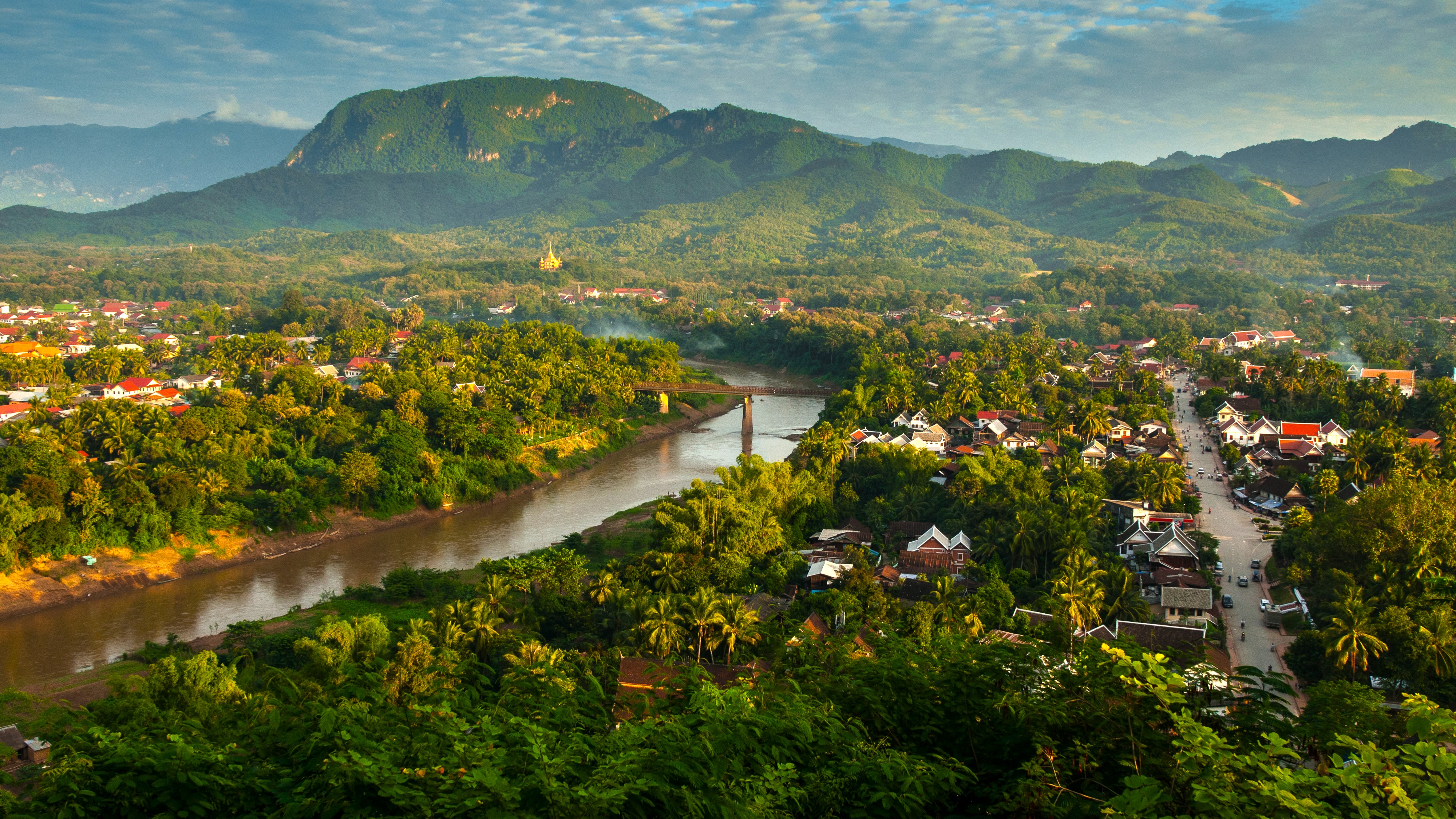
MuangXai is the capital of Oudomxay province. It nestles in the Nam Ko river basin. It's surrounded by extraordinary mountains and two verdant hills. On one stands its museum, on the other rises its famous stupa. Just 10 minutes from its downtown is Oudomxay Airport.
This region enjoys a moderate monsoon climate. For those planning to visit MuangXai, December to March remains the best period to explore its trails and forests. It's the dry season, marked by fog covering the locality from dusk until dawn. From November to February, the air is very cool. Temperatures hover around 17-18°C during the day. For experienced hikers, warm clothing and sturdy hiking boots are recommended. April is its hottest month with an average temperature of 25.5°C, though the thermometer sometimes exceeds 31°C.
Useful Information
· City maps are available at the bus station and basic information offices.
· Currency and traveler's checks can be exchanged at the 3 banks and the BCEL post office.
· BCEL ATMs allow withdrawals on international cards (20,000 kips fee and transaction capped at 700,000 kips).
· It's among the few Lao cities with fast, wireless internet: at specialized shops (400 kips per minute), guesthouses, and at the "Charming Lao Hotel" café. The 4G network of local providers (Lao Telecom, Unitel, and ETL) offers good coverage and speed.
By Air
Being a major urban center, MuangXai is connected to several Lao localities. By air, it's only accessible from Vientiane. The flight takes 1 hour and is operated 3 times weekly by Lao Airlines.
By Bus
Udomxai's roads lead to many Lao destinations. To reach this commercial city, you can depart from:
- LuangNamtha (duration: 4 hours; fare: 40,000 kips per person)
- NongKhiaw (duration: 4.5 hours; fare: 44,000 kips per person; departure: 11 AM)
- LuangPrabang (duration: 5 hours; fare: 40,000 kips per person; frequency: 3 trips daily)
- Pakbeng (duration: 4 hours; fare: 40,000 kips per person; departure: 12 PM)
Daily, buses also run from Vientiane, Phongsali, Bokeo, and MuangKhua. Since this city is a day's drive from China, buses ensure connections to border crossings.
Note:
MuangXai has two bus stations: the southern station about 6 km away and the northern station in the heart of the city.
Exploring Udomxai city is easily done on foot. However, most interesting sites within and around it are far apart from one another. Moving from one point to another is more practical with transportation.
For traveling to its two bus stations, tuk-tuks are a good option.
What to Do?
- Visit the Thai Ly handicraft store where traditional fabrics, bags, and clothing are displayed
- Taste the delicious Oudomburger at "SisoBakery"
- Embark on a culinary trip at Souphailin's Restaurant with their generous portions and affordable prices
- Organize several days of hiking and trekking to neighboring ethnic villages
· Venture as far as possible and visit Talae waterfall and Nam Haeng waterfall near MeuangHoun
- Relax at the hot springs of Muang La
- Stroll by the 11 km waterfall
- With the necessary budget, enjoy a luxury stay at Nam Kat Yorla Pa
- Cool off in the pool below the Nam Kad waterfall
- Take a boat ride on Nam Hin Lake
· Dedicate an entire day to exploring Chom Ong cave
- Visit the famous Phu That temple
Want to discover this destination?
Our local advisors design your tailor-made trip.