Khoun Kong Leng Lake
Khoun Kong Leng Lake
Northeast of Thakhek, Khoun Kong Leng Lake is a sacred karst water body, 21 meters deep, fed by an underground river.
Khoun Kong Leng Lake is a karst water body located approximately 30 km northeast of Thakhek, in Khammouane Province, central Laos. Integrated into the southern portion of the Phou Hin Boun National Protected Area, it stands out for its water filtered by surrounding limestone rock and a depth of approximately 21 meters at its center. The site remains little visited and subject to access rules set by the nearby village of Ban Na Kheu.
Why visit Khoun Kong Leng Lake
The lake owes its appeal to three rarely combined characteristics. First, its water source: an underground river, whose water travels through the limestone massifs of the surrounding karsts before filling the basin. This natural filtration explains the unusual transparency of the surface, beneath which fish schools can be seen several meters deep.
Next, the water's color is not stable. Depending on the season and changes in mineralization, it evolves over two to three-month cycles and shifts from emerald green to cyan, sometimes toward pinkish or orangish hues. This phenomenon, noted locally, contributes to the site's reputation.
Finally, cultural value matters as much as geological curiosity: the lake is considered sacred by the inhabitants of Ban Na Kheu, who regulate its access. Tourist traffic remains modest and concentrated on weekends, when Lao families come for picnics.
The legend of the evening gong
The name Khoun Kong Leng translates to "lake of the evening gong." Oral tradition reports that on each full moon night, a gong would resound from the opposite shore, without anyone identifying its source. This nocturnal resonance gave the lake its name.
A second legend links the water's color to the underwater dwelling of Nang Bangon: the glow of the emerald gems it allegedly harbors would explain the green reflections that often dominate the surface. These stories led inhabitants to attribute a sacred and magical status to the site, a status that today justifies the rules imposed on visitors.
What to see and do
The main activity remains swimming, permitted only in a designated zone near the wooden bridge, downstream from the lake. Prior authorization must be obtained from the Na Kheu village: it is a simple but essential procedure that determines access to the water.
Around the lake, several other activities are possible:
- Observing fish from the shores, the water being clear enough to see them swimming in the depths
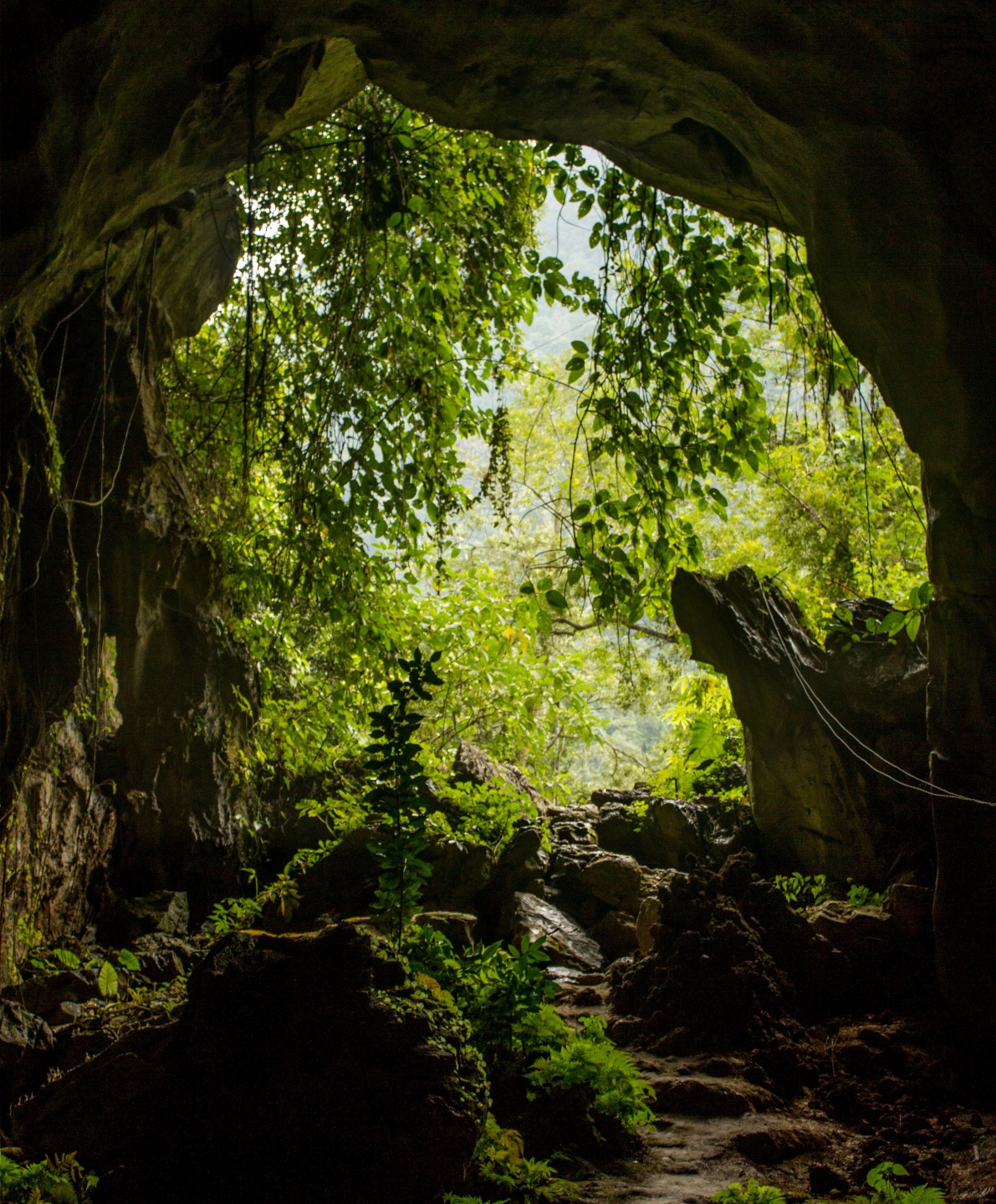
- Walking on forest trails that border the surrounding jungle
- Resting at the shaded picnic area near the entrance
Fishing, however, is prohibited for visitors: it remains reserved for villagers, as part of community resource management.
Practical information
The site is open throughout the week. Entry is paid but the fee is modest. The rules to follow are few but strict:
- Request authorization from Na Kheu village before swimming
- Swim only in the designated zone near the wooden bridge
- Do not fish
- Take away your rubbish: the site's cleanliness is maintained by local residents
Bring water, snacks and a change of clothes: there is no shop on site, and the nearest village has limited resources.
When to visit
The dry season, from November to March, offers the best conditions: the access track is passable, temperatures are manageable and water clarity is generally good. Between April and May, the heat intensifies but access remains possible.
The monsoon period (June to September) and the weeks that follow should be avoided: the dirt track becomes difficult to navigate, sometimes impassable for light vehicles. Weekends attract more local visitors; a weekday visit guarantees greater tranquility.
How to get there
The logical starting point is Thakhek. The route follows Route 13 heading north. At kilometer 29, turn right heading east onto a secondary track. Travel approximately 2 km before turning again, this time south, to reach, after about fifteen kilometers of rough track crossing hills and small villages, the hamlet of Na Kheu, located 1 km from the lake.
Several transport options are available:
- Motorbike or scooter rented in Thakhek (the most flexible)
- Bicycle for trained travelers
- Tuk-tuk negotiated for the day
- Minibus with driver
The presence of a guide or local driver is recommended: signage is limited and track conditions vary by season.
What to see nearby
The lake is part of a larger circuit around Thakhek and central Laos. The town of Thakhek serves as a logistics base and provides access to the famous Thakhek Loop, which crosses the karst landscapes of Khammouane Province.
Further north, Phou Khao Khouay National Park offers comparable terrain with more developed hiking infrastructure. To extend your journey, the Nam Ou in the north of the country offers another type of river landscape, while the Luang Prabang Night Market remains a classic cultural stop.
Frequently asked questions
Frequently asked questions
Yes. The Na Kheu village, located 1 km from the lake, grants authorization. Swimming is limited to a specific zone near the wooden bridge downstream from the lake.
The water comes from an underground river filtered by the surrounding limestone karsts. Depending on the period, local variations are observed shifting from emerald green to cyan, sometimes toward pinkish or orangish tones, over two to three-month cycles.
The lake is generally located approximately 30 km northeast of Thakhek as the crow flies, but the route via Route 13 and secondary tracks represents a longer journey, which should be calculated in hours rather than kilometers due to the condition of the road.
No. Fishing is prohibited for visitors. Only residents of Ban Na Kheu are permitted, as part of community resource management.
The dry season, from November to March, is ideal. The dirt track becomes difficult to navigate during and after the monsoon season.
Incorporating the lake into a Laos trip
Khoun Kong Leng Lake naturally fits into an itinerary in central Laos, complementing the Thakhek Loop and the karst caves of Khammouane. To plan a complete stay combining nature, villages and heritage, consult our Laos circuits.
Interested in this visit?
We can include it in your personalised itinerary.