67 articles to prepare your trip
An active Buddhist temple on the edge of the Mekong, Wat Sikhottabong is the most emblematic religious site in Thakhek. Its white stupa and pilgrimage atmosphere make it an authentic stop in central Laos.
A Theravada Buddhist temple on the Luang Prabang peninsula, Vat Pha Bat Tai offers an immersion into daily monastic life, far from the hustle of major heritage sites.
A participatory rice farm on the banks of the Mekong, Living Land Company offers visitors the chance to experience every stage of sticky rice cultivation—the foundation of Lao cuisine—working alongside local farmers.
That Hing Hang is a Buddhist stupa in Savannakhet Province, visited by the faithful during Lao religious festivals. A site of local devotion with a preserved atmosphere.
Tham Xang, the 'Elephant Cave,' shelters a stalagmite shaped like an elephant's head, revered by locals. Peaceful and authentic, it can be explored in half a day from Vang Vieng.
In Xieng Khouang province, the Tham Piu caves shelter a poignant memorial: in 1968, hundreds of Laotian civilians died there during an American bombing raid. A place of remembrance and karstic nature, best combined with the Plain of Jars.
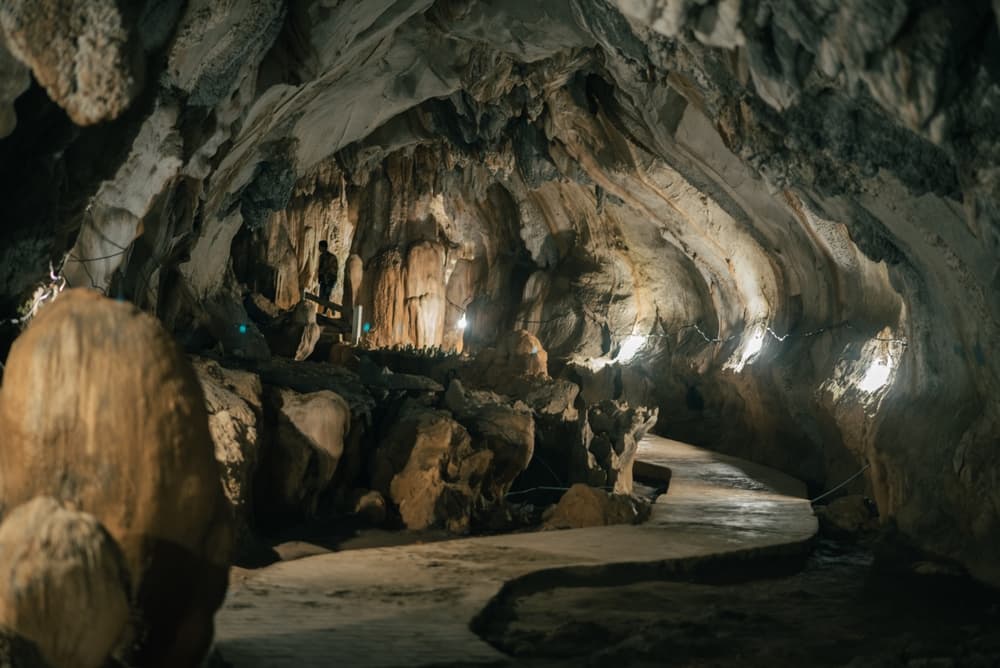
A few kilometers from Vang Vieng, Tham Pa Fa cave shelters dozens of Buddha statues within a limestone massif. An active pilgrimage site where nature and spirituality converge.
Tham None, the 'Sleeping Buddha Cave', is a Buddhist sanctuary carved into the karst formations surrounding Vang Vieng. Less crowded than its neighbours, it offers an authentic natural and spiritual setting.
Over 220,000 hectares of primary forest in northern Laos, Akha and Khmu villages accessible on foot, and a community-based ecotourism model recognized across the region.
A rocky outcrop overlooking the Vang Vieng plain, Pha Ngeun Peak offers sweeping views of the Nam Song and limestone karsts. A short, accessible hike away from the crowds.
Protected karst massif in Khammouane Province, Phou Hin Poun is home to the famous Kong Lor cave and remote forests, best explored from Thakhek over several days.
Phou That is a sacred hill near Muang Khoun (Xieng Khouang) where an ancient Buddhist stupa overlooks the ruins of a royal city devastated by 20th-century bombing campaigns.
The Nam Kading River flows through a national protected area in the heart of Laos, between limestone cliffs and primary forests. A preserved territory, accessible from Pakxan, ideal for nature enthusiasts.
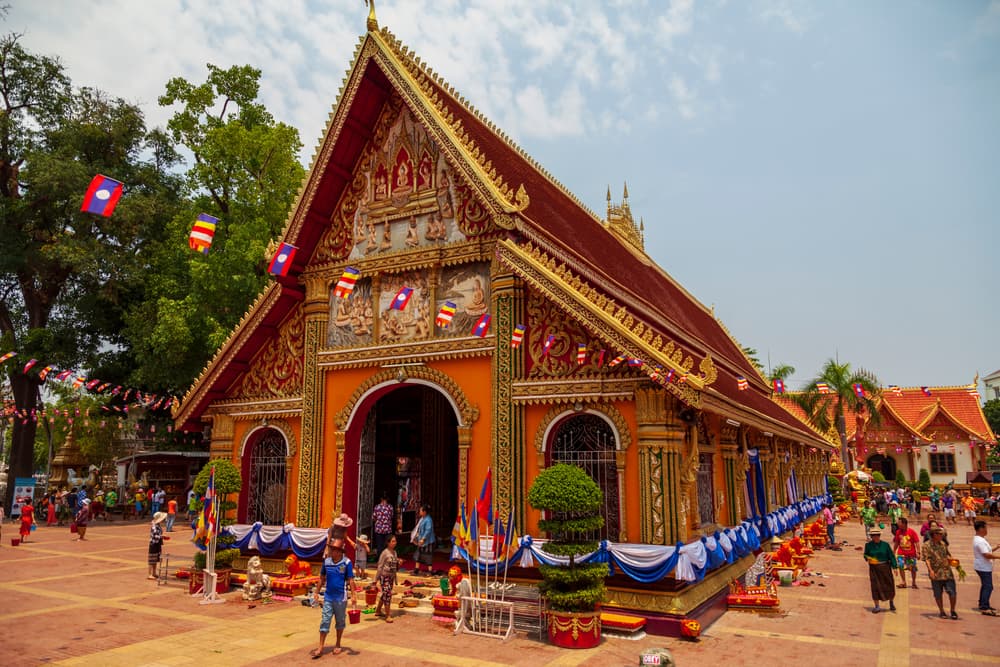
Vat Si Mueang is the most frequented temple in Vientiane by Laotians themselves. It shelters the lak mueang, the founding pillar of the capital, and pulses with authentic daily devotion.
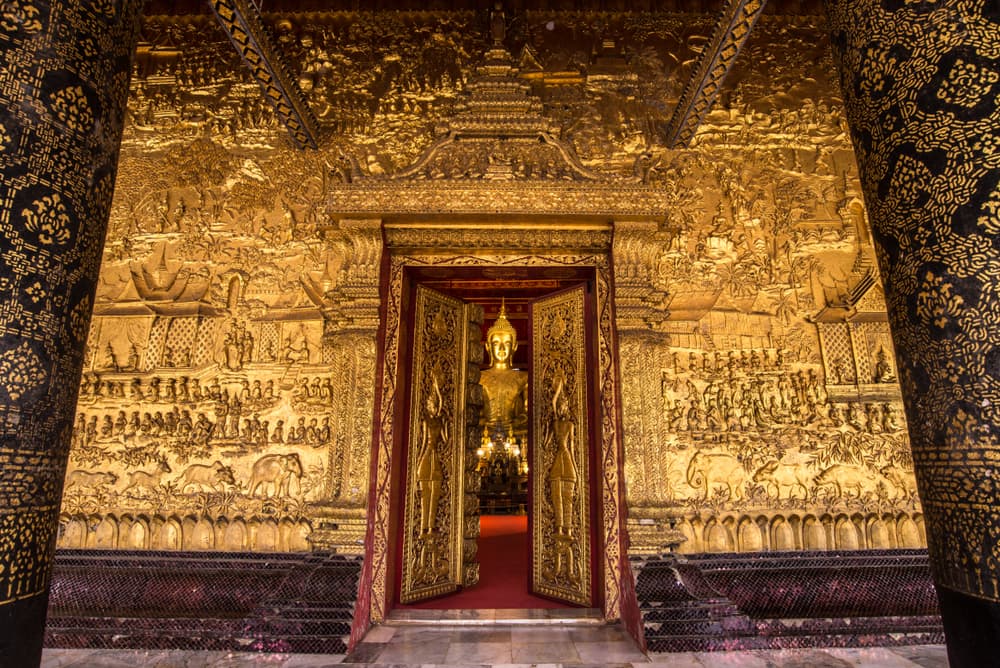
Wat Mai Suwannaphumaham is one of Luang Prabang's most revered temples, distinguished by its gilded façade with five tiers of roofs and intricate bas-reliefs depicting the life of Buddha.
In the limestone karsts of northeastern Laos, the Vieng Xay Caves sheltered the Pathet Lao leadership during American bombing campaigns. A rare historical site, 30 km from Sam Neua.
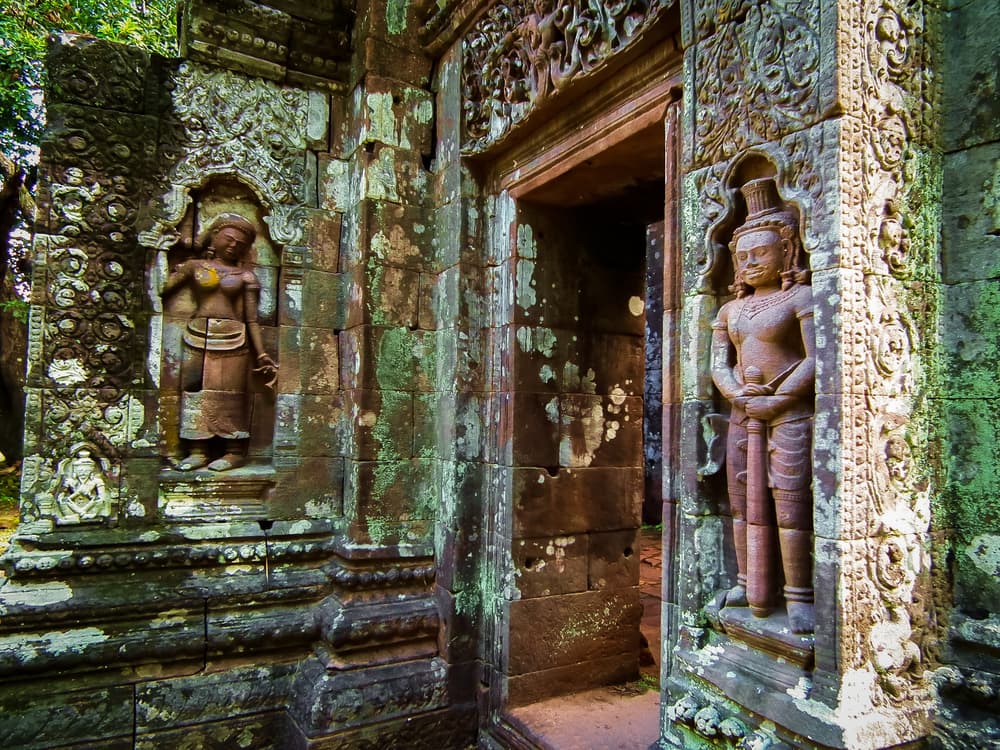
Vat Phou is a complex of pre-Angkorian Khmer temples perched on Mount Phou Kao, near Champassak. UNESCO-listed since 2001, it features refined sculptures, a sacred spring, and panoramic views over the Mekong.
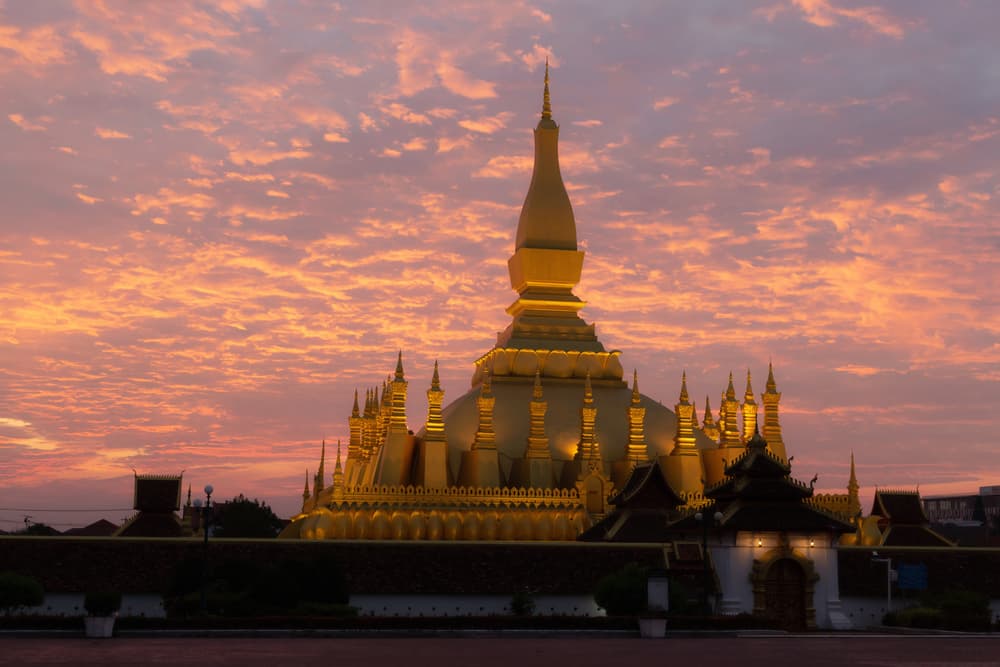
Pha That Luang is the national monument of Laos: a grand golden Buddhist stupa from the 16th century, symbol of Lao sovereignty, best visited in late afternoon for its golden light.
18 of 67 results
We use cookies to improve your experience and measure our site's audience. You can choose what you accept. Learn more.