Oudomxay Province
Oudomxay Province
The provincial capital of northwestern Laotian mountains, Oudomxay brings together treks, ethnic villages, karst caves and ancient Buddhism. Complete guide to planning your visit.
« Welcome to the land of bronze drums, welcome to Oudomxay! ». This province in northwestern Laos is brimming with attractions. Its numerous natural sites, minority villages, Buddhist temples, rural atmosphere and warm-hearted residents will captivate travelers. It's a peaceful place where jungle treks and hiking expeditions make for a worthwhile adventure. It's a place where hunting for the finest attractions offers the perfect chance to create unforgettable memories. More importantly, it's a haven where you can truly encounter Laos and its minority cultures.
History and Settlement
According to local historical records, the earliest inhabitants of this province were the Khom or Khmu ethnic group. They settled here around the year 700.
In 1260, Lao Ly people from the Chinese region of Sipsongpanna arrived and established a village they named: Ban Luang Cheng, meaning "great village". It stands at the location of the current provincial capital: Muang Xay. Today, this village still exists, but under the name Bang Cheng. It is now part of the district of the provincial capital.
From then on, Ly culture (Tai Lue) marked by Theravada Buddhism and Khmu traditions quickly spread. The Khmu and Lao Ly coexisted in harmony. They shared land and rice fields. Shortly after, they built ramparts and fortifications between the small towns of Na Lai and Na Sao to protect themselves from potential external threats.
Starting in 1828, Hmong ethnic groups migrated from China. In 1961, significant parcels of land were separated from Luang Prabang district to form a modern, independent province: Souvanhnaphoum. In 1965, it was renamed Muang Xay. It wasn't until 1976 that it became the "Province of Oudomxay". In 1987, the capital was moved from Ban Nahin to the city of Muang Xay. And in 1992, the districts of Paktha and Pha Oudom were reassigned to Bokeo Province. In 1997, the capital was granted a tourism office, supported since 2005 by the DED (German Development Service). This office was later converted in 2007 into a "provincial tourism department".
Today
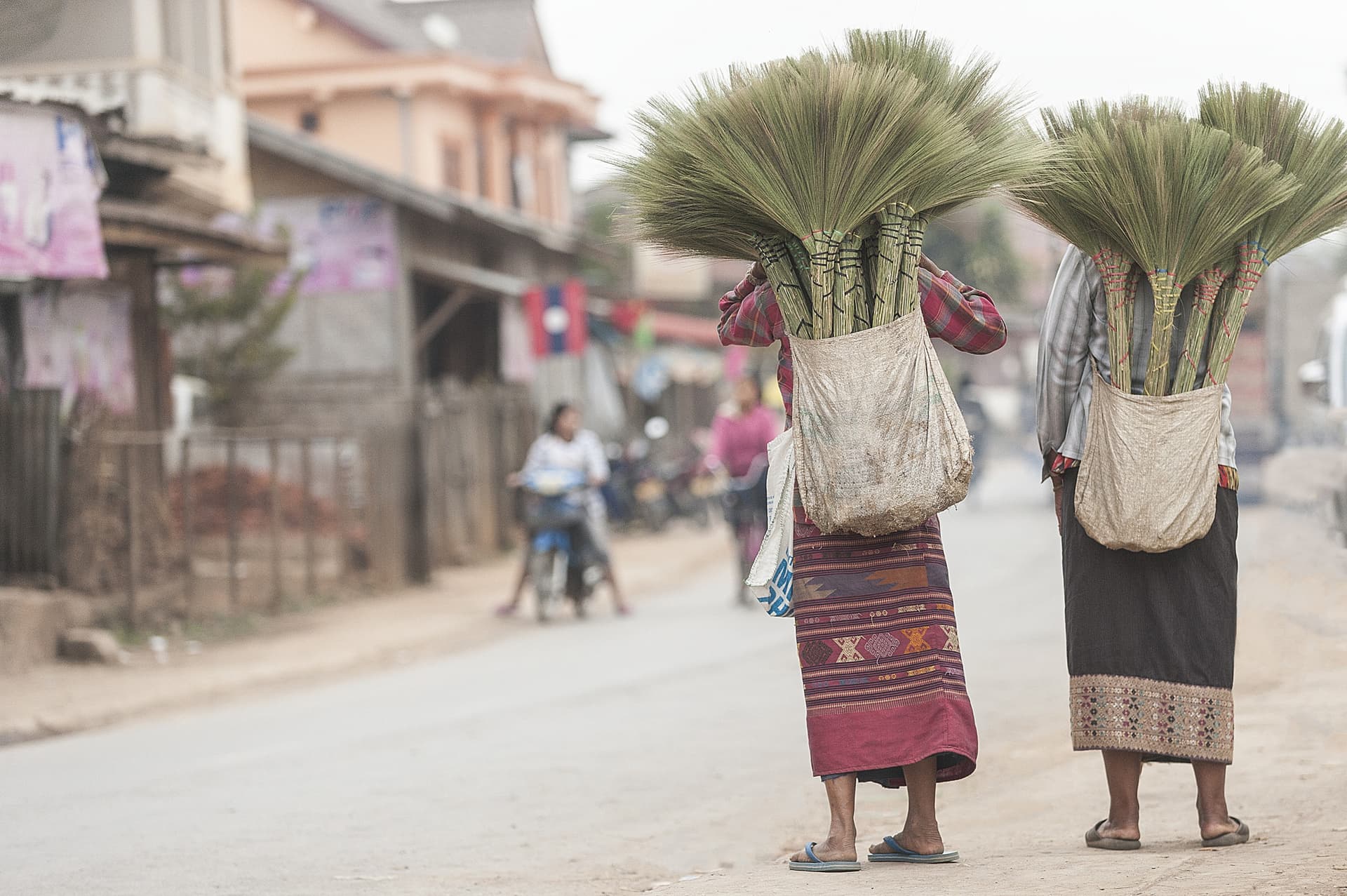
Oudomxay is a Laotian region with low economic development, yet it is emerging as a serious tourist destination. Certainly, it is characterized primarily by its rural identity. Residents cultivate over 40,000 hectares of land predominantly occupied by rice plants. They live by subsistence agriculture and practice slash-and-burn cultivation extensively. Besides rice, they grow corn, cassava, soybeans, sugar cane, tea, tobacco, cotton, peanuts, fruits and vegetables. That said, the development prospects for this canton in north-central Laos have recently multiplied. This has made it the current hub of the country's northern zone.
That said, the varied landscape of this province draws moderate tourist interest. A handful of visitors venture there to discover the hidden treasures of this region.
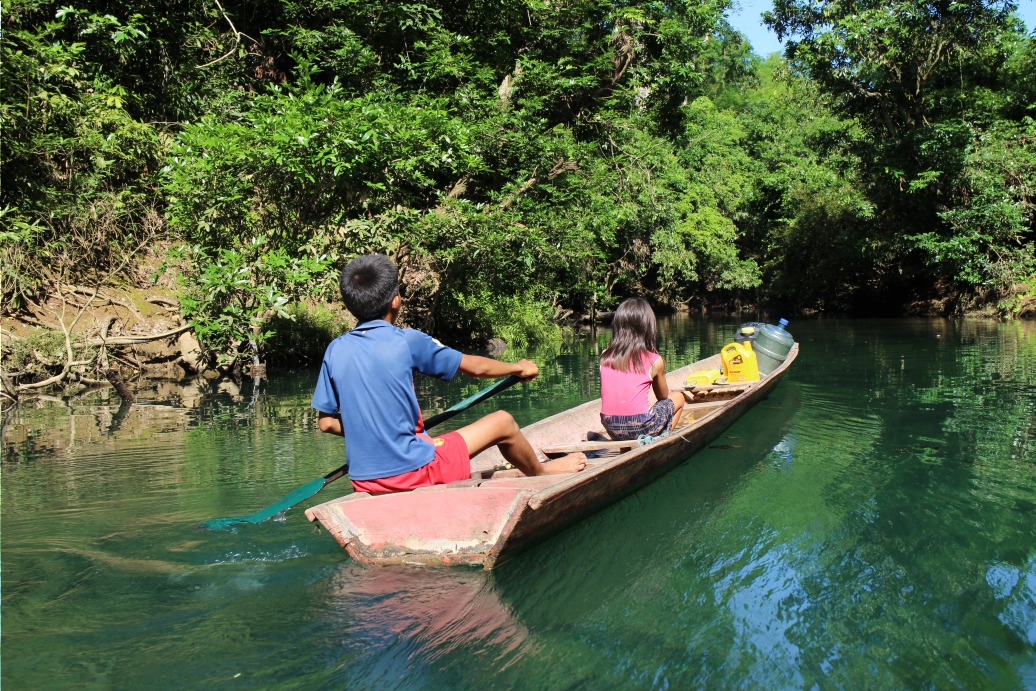
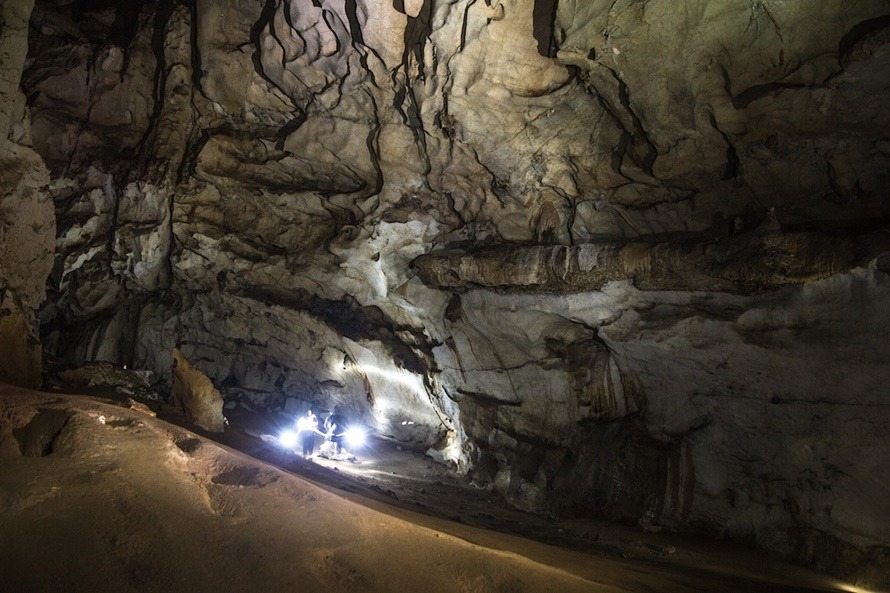
Among its finest jewels stands out Chomg Ong Cave. This emblematic site holds various surprises for visitors with its impressive rock formations and vast depths. To reach it, you simply follow a charming river upstream. And by venturing deep into its jungle, you can reach numerous waterfalls: Tad Lak Sip, Namkat with its array of activities (zip-lining, biking, climbing, trekking, etc.), the grand Talae and its picnic spots, and Nam Haeng with its inviting swimming holes.
For mountain hiking enthusiasts, it's possible to attempt the ascent of Phou Tha Mountain. From its summit, the views of the surrounding region below are spectacular.
At HawnBaw Nam, you'll have the opportunity to enjoy the benefits of its hot springs.
If you opt for a complete tour of the province, meeting some of its 12 mountain ethnic minorities is essential. To do this, you simply venture deeper into the forest to reach remote villages like Ban Ao No, populated by Akha people and known for their surprising traditions, Ban Bo with its bamboo and rattan baskets, or Ban Nyor, populated by Tai Lue people known for their remarkable pottery and cotton textiles. Trek enthusiasts will be well served with this "nature and culture" adventure.
The local flora is notable for its richness: bamboos, orchids, teak, mahogany, etc. If you're interested, you can take a detour to the ZICO (Zone Important for the Conservation of Birds) of the Upper Laotian Mekong. It spans three provinces, one of which is Oudomxay. You'll find an astonishing and diverse birdlife here: black-bellied terns, marsh swallows, great cormorants, and more. These birds have made their home amid biodiversity marked by river channels, sandbars, islets, shrubs and braided waterways.
Walking around Ban Houay Oun village, you'll discover the large Nam Hin Lake. This place is truly beautiful with numerous rivers flowing into it, organic farms, boat excursions and picnic spots.
If time permits, explore the region's finest Buddhist monuments: the 400-year-old Buddha statue and the Phachaosingkham temple in Muang La, the Phou That Stupa in the heart of Muang Xay.
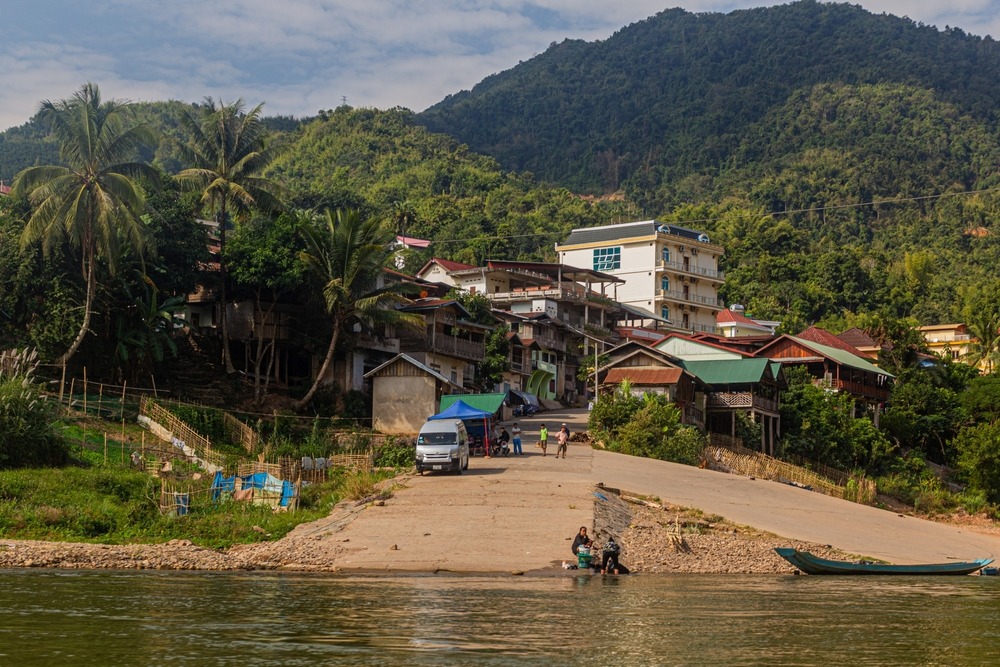
And if modern provincial life interests you, Muang Xay will charm you with its Chinese market and Pakbeng will surely captivate you with its river cruises along the Mekong.
Climate and Geography
Oudomxay Province enjoys a moderate tropical monsoon climate with a cool season spanning from November to February. If you travel during the day, you'll experience average temperatures of 17 to 18°C. This thermal range is between 18 and 19°C from February to March. Here, the hottest month is May with temperatures reaching 31°C. Given the high altitude of this zone, temperature variations are greater than in the rest of the country. During the dry season, the air is cool. Throughout the year, precipitation ranges from 1900 to 2600 mm.
Geographically, this Laotian region spans 15,370 km². It is bordered to the north by the Chinese border at Mengla County; to the northeast by Phongsaly Province; to the east by Luang Prabang Province; to the south by Sayaboury Province; to the west by Bokeo Province; and to the northwest by Luang Namtha Province. Its capital is the city of Muang Xay and it has 7 districts.
Mountainous in nature, its terrain features altitudes ranging from 300 to 1800 meters above sea level. This region is traversed by over 60 rivers, including Nam Kor, Nam Beng and Nam Phak, among others.
By Air
From the capital Vientiane, there is a daily direct flight to Oudomxay's provincial capital. This connection is operated by Laos Airlines.
By Road
To reach Oudomxay's provincial capital, you can depart from its North or South bus terminal. You can start from:
- Boten (at the Chinese border; departure at 9am)
- Vientiane (by public or VIP bus; minimum ticket price 110,000 kips)
- Luang Prabang (4 to 5 hour journey; trip cost 45,000 kips; three buses daily: at 9:30am, 12:30pm and 3pm)
- Nong Khiaw or Phongsaly (one daily bus; early morning departure)
- Luang Namtha (5 hours of travel; departures at 8:30am, 11:30am and 3pm)
- HouayXai (departure either at 9am or 12pm)
- Pakbeng (3 to 4 hour journey; departure from the bus station at noon)
By Boat
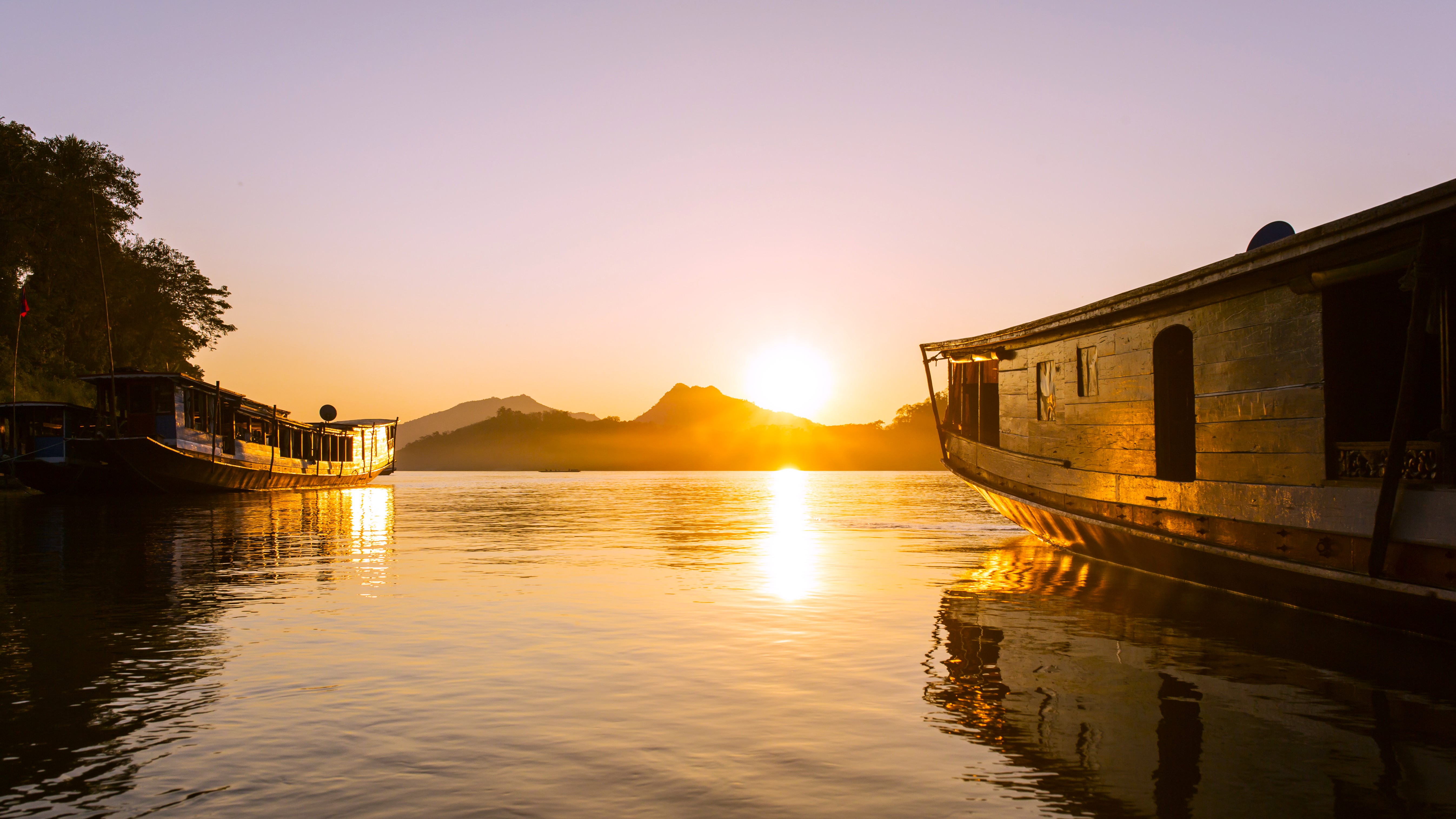
If you follow the Mekong river flow by boat connecting Luang Prabang and HouayXai, you'll disembark at Pakbeng after 2 days.
To travel from one end of the province to the other, simply catch a local bus line. It's the best option for getting around Muang Xay city, the villages of Muang Beng, Muang Houn, and Pakbeng. More independent travelers can opt for a car, motorcycle or bicycle rental from the provincial capital. Otherwise, there's always the option of hiring a private tuk-tuk to reach an attraction.
Want to discover this destination?
Our local advisors design your tailor-made trip.