Viang Xai
Viang Xai
Hidden within the karst mountains of Hua Phan, Viang Xai preserves the memory of Laos' secret war through the underground cities of the Pathet Lao.
A jewel of former Indochina, Laos is a country that, today, gradually reveals itself to the world. It captivates visitors with its reserved character, calm atmosphere, and unhurried pace. People come to commune with nature through diverse activities: hiking, trekking, kayaking, rafting, road trips, river cruises, and more. There is something for everyone: thrill-seekers, speleology enthusiasts, and history buffs alike. Indeed, for those with a particular interest in the country's past, Viang Xai is unmissable. Why? This small locality is renowned as the former headquarters of the Pathet Lao.
The History of the Pathet Lao
The magic of this place lies in its history and its famous caves.
During the Second Indochina War, the country's national politics impacted the situation in the Viang Xai region, as they did for other Laotian districts. At that time, the United States believed the country played a key role in the spread of communism. This conviction thrust this Asian territory into a conflict between Americans and Vietnamese. In Laos, the United States supported royalist forces, while the communist troops of the Pathet Lao opposed both.
Starting in 1964, bombing campaigns from the West began to rain down on Xieng Khouang, targeting Pathet Lao bases. Fleeing these assaults, these revolutionaries migrated to the city of Viang Xai and sought refuge within its limestone karsts riddled with caves. These caverns provided them with impenetrable shields against American missiles.
They established their new headquarters there and built a "hidden city". More than 20,000 people lived within these caves for nine years of relentless bombardment. Schools, hospitals, markets, and even ministries and a theater were installed in these dark caverns. The communist army also established a radio station and military garrisons.
The ceasefire came in 1973, ending American artillery fire. Viang Xai was then renamed the "capital of the liberated zone" and the most heavily bombed area of the country. In 1975, Vientiane became the capital of the Lao People's Democratic Republic.
Meanwhile, this small settlement became one of the birthplaces of the infamous re-education camps. Many rebels against the new government were forced into labor there and lost their lives.
In 1990, the government issued a decree prohibiting access to these caves. Today, this place remains classified as a military security zone. As a result, only a handful of the hundred or so caves are open to the public.
Today: Viang Xai and Its Caves
Certainly, Viang Xai remains a small city with limited tourism activity. Called the "city of victory", it nonetheless attracts visitors for its extensive network of caverns.
Only a few of them can be visited. But before venturing into these dark corners, it is essential to hire an English-speaking government guide. This is both an obligation and a necessity: certain caves are sealed, the sites to see span a large area, and the risk of encountering UXO (Unexploded Ordnance) is very real.
Visiting these fabulous caverns allows you to witness the living conditions in which the Pathet Lao and its supporters existed. Inside, you can still see various structures: houses, theaters, barracks, and more. Part of the sites were organized as follows:
- Tham Than Kaysone: served as a military meeting hall and rest area, kitchen, dining room, and bunker
- Tham Than Souphanouvong: facility with a garage, meeting rooms, and living quarters for the Red Prince and his entourage
- Tham Than Khamtay: apartment of the former Prime Minister
- The Theater Cave: housing the headquarters of the communist army commander (Phoumsavang) and a vast military barracks
- Tham Xieng Muang: cave where a hospital was built
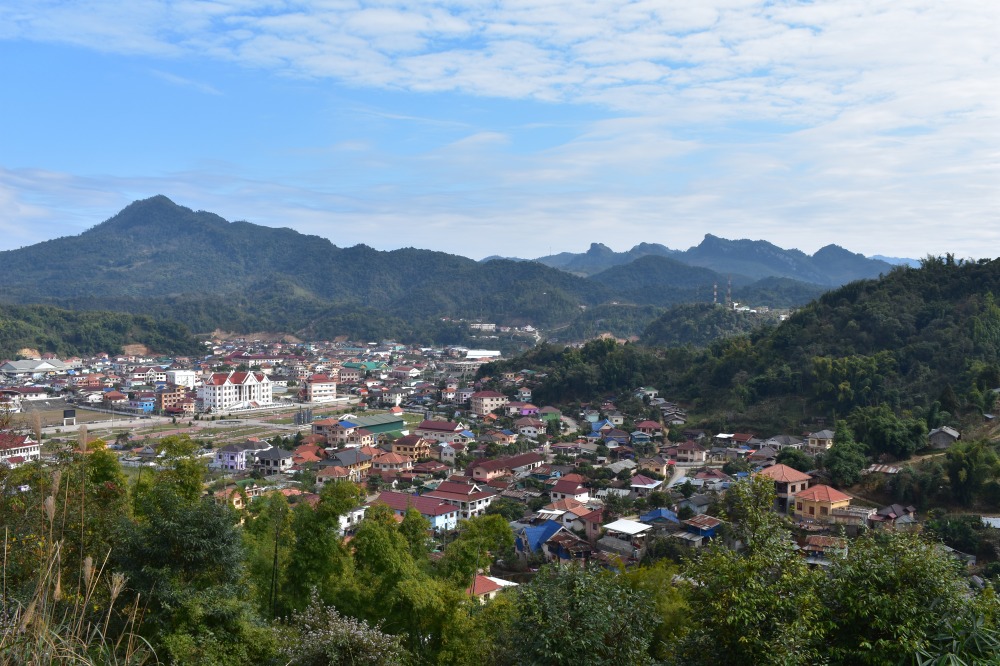
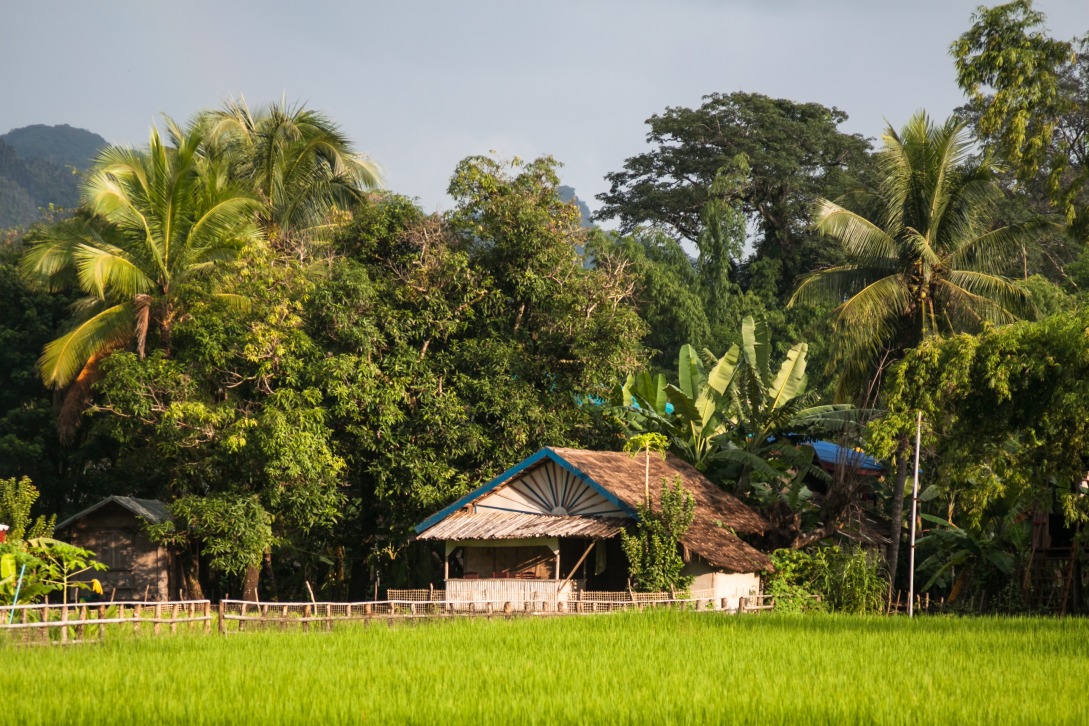
That said, the charms of Viang Xai are not limited to these remnants and historical sites. Visitors are also captivated by the splendor of its surrounding nature. The limestone karst mountains rise majestically amid the valley's rice paddies. Moreover, magnificent artificial lakes enhance its surroundings.
Essential Information
- The cave visitor center is open 7 days a week, from 8am to 12pm and 1:30pm to 4:30pm.
- Guided tours cost 60,000 kips. Tours in English depart at 9am and 1pm.
- Each guided tour lasts approximately two and a half hours.
- Bicycle rentals are highly useful given that the sites are spread far apart. These two-wheelers are available at the visitor center.
Climate and Geography
Those heading to Viang Xai should know that the region has a warm subtropical humid climate with a dry winter. The best times to visit are between October and April. The area reveals its most beautiful face in February, March, and November. In December, temperatures are at their lowest, averaging 14.7°C. However, it gets very hot in May, with temperatures easily exceeding 30°C and averaging 25.2°C.
This city is an important historical site in Hua Phan Province and District. It is located 55 km from the Laos/Vietnam border at Na Meo. A symbol of the birth of Lao communism, it can be found on Route 6, 30 km away and about an hour from Sam Neua.
Viang Xai can be spelled in various ways: Vieng Xai, Viengxay, Vieng Xay, Viengsay, Vieng Say, and Vieng Sai.
Only Sam Neua serves as a possible departure point to this city. To get there, you have three transportation options:
Bus
Songthaews (shared taxis) provide regular and frequent service between the two towns. Every day, these vehicles depart from the Nathong Station in Sam Neua between 8am and 3pm. A ticket costs 20,000 kips.
In low season, return buses are scarce. Some opportunistic drivers take advantage and demand 200,000 kips per person.
Motorcycle
Since the journey takes a maximum of one hour, renting a motorcycle in Sam Neua is an excellent option.
Tuk-tuk
More expensive, this is an alternative to consider only in emergencies. A one-way trip costs 150,000 kips per person and the return, 250,000 kips.
Exploring the caves requires a bicycle rental. These can be requested at the visitor center. For a standard bike, it costs 10,000 kips for a tour or 2,000 kips per day. For a mountain bike, you'll pay 15,000 kips per tour or double that for a full day. It's also possible to rent bicycles and motorcycles at the Sabaidee Odisha Indian restaurant (a place where you can exchange currency).
What to Do?
- Visit the Pathet Lao caves one by one
- Enjoy a bicycle ride through this karst region
- Marvel at the breathtaking panorama of its artificial lakes
- Breathe in the fresh air of this rural landscape and savor its tranquility
Want to discover this destination?
Our local advisors design your tailor-made trip.