Nam Ha
The Nam Ha Reserve, in Luang Namtha Province, is home to pioneering community-based ecotourism in Laos: rainforest treks, nights in ethnic villages, and river journeys through pristine biodiversity.
The Nam Ha National Biodiversity Reserve spans more than 220,000 hectares in Luang Namtha Province, northwestern Laos. Dense forests, rivers, and ethnic villages make it one of the country's largest protected natural areas. It is also the birthplace of recognized community-based ecotourism, developed with UNESCO support from the 1990s onward.
Quick Practical Guide
- Access: departures from Luang Namtha town, the essential base for organizing treks.
- Entry: tours are booked through the Luang Namtha tourism office or approved local agencies; a contribution to host villages is included in tour operator rates.
- Recommended duration: minimum 2 to 3 days for a trek with village overnight stays; day trips are also available.
- What to bring: lightweight but covering clothing, waterproof hiking shoes, insect protection.
- Best time to visit: dry season, November to April — trails remain passable and vegetation is less dense.
What You'll See
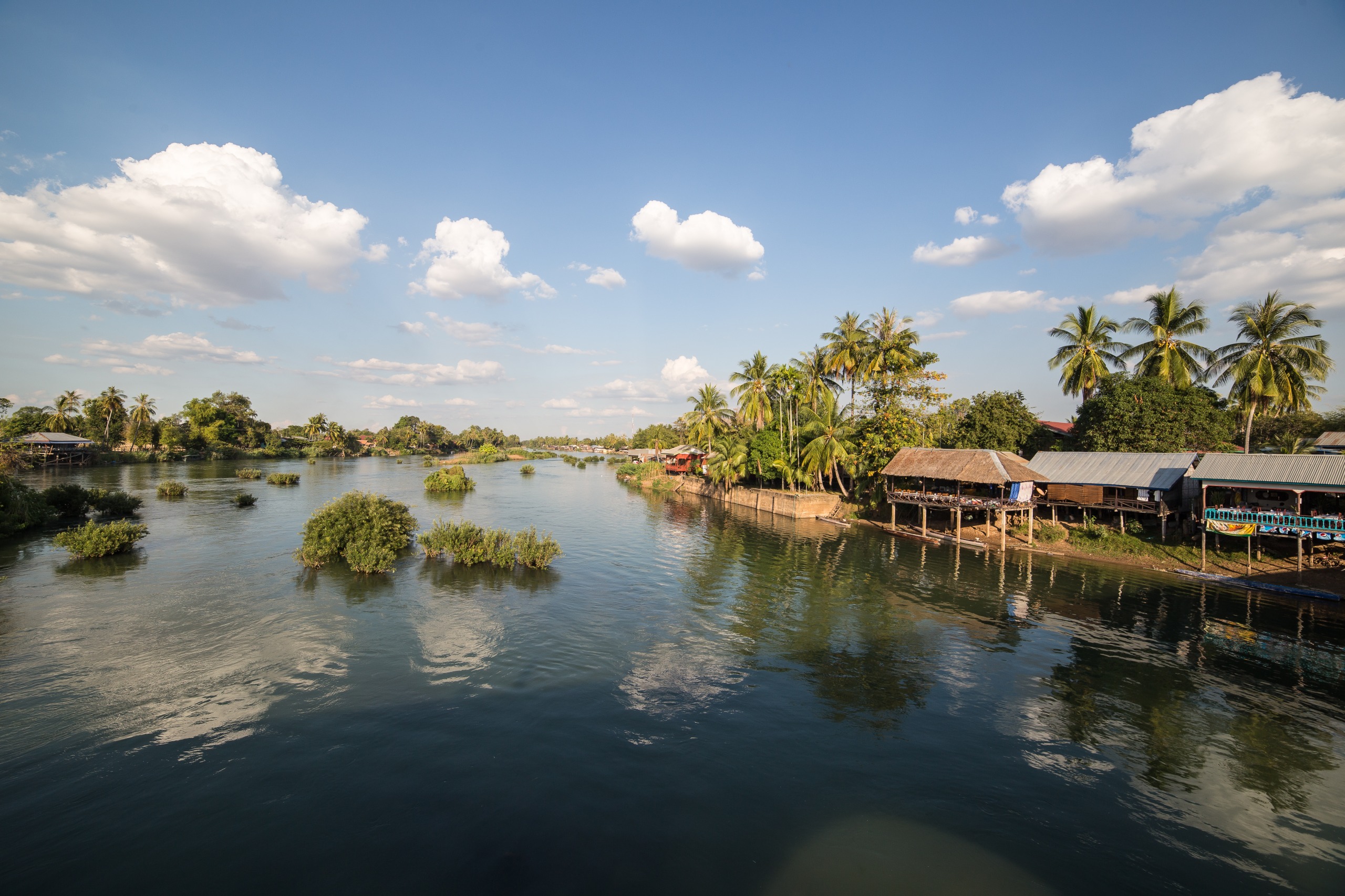
The reserve is home to humid tropical forest and evergreen forest zones. It is home to rare species: white-cheeked gibbons, Malayan sun bears, gaurs, and exceptionally rich birdlife. The Nam Ha and Nam Tha rivers cross the territory, offering kayaking opportunities. Akha, Lanten, and Khmu villages dot the trekking routes.
History and Context
Designated a national biodiversity reserve in 1993, Nam Ha benefited from a pilot ecotourism program launched in 1999 with UNESCO and the Laotian government. This model, often cited as a reference in Southeast Asia, redistributes a portion of revenues directly to village communities. It has helped curb deforestation and poaching in the buffer zone.
Highlights of a Visit
Forest Trek with Village Overnight Stay
Two- or three-day circuits allow you to stay with locals in Akha or Khmu villages. Local guides, trained through the ecotourism program, explain the uses of medicinal plants and traditional agricultural practices.
Nam Ha River Kayak Descent
The Nam Ha River offers an alternative to foot treks. The descent passes through forested areas that are inaccessible on foot and allows you to observe riverside wildlife in a tranquil setting.
Bird Watching
The reserve is renowned among ornithologists for its species diversity. Early mornings at the forest edge, between November and March, are most favorable for observations.
Photography Tips
Light in the forest canopy is diffuse and changing — favor clearings in early morning. In villages, always ask permission before photographing residents, especially during ceremonies. Reflections on the Nam Ha are particularly clear in the dry season, early in the morning.
Location and Access
The reserve is accessible from Luang Namtha, a town with a small airport connected to Vientiane and Luang Prabang. The provincial tourism office, located in town, coordinates trek departures and issues necessary permits. Route 3 connects Luang Namtha to the Chinese border (Boten) to the north and Huay Xai to the southwest.
Luang Namtha is also close to the town of Luang Namtha and the border region of the Golden Triangle.
Nearby
- Luang Namtha — a stopover town with a lively ethnic market and provincial museum dedicated to the northern minorities.
- Muang Sing — a town near the Burmese border, departure point for treks to Akha and Tai Lue villages.
- Huay Xai — a border town with Thailand, departure point for the Mekong descent to Luang Prabang.
Frequently asked questions
Yes. Treks in the Nam Ha Reserve must be done with an approved guide, booked through the Luang Namtha tourism office or a certified local agency. This rule protects both visitors and village communities.
The dry season, November to April, is best suited. Forest trails remain passable and rivers are navigable. During the rainy season (May-October), some routes become difficult to access.
Yes. Muang Sing is about an hour's drive from Luang Namtha. Many travelers spend two to three days at Nam Ha, then a day in Muang Sing before heading to Huay Xai or China.
Accommodation is simple: a dormitory on a wooden floor with a mosquito net provided. Meals are prepared by villagers. Bring a lightweight sleeping bag and warm clothing for nights at higher elevations.
Treks involve several hours of walking on uneven terrain and are not suitable for people with reduced mobility. Less demanding day trips exist; inquire at the Luang Namtha tourism office.
Want to discover this destination?
Our local advisors design your tailor-made trip.