The Elephant Conservation Center in Sayaboury
The Elephant Conservation Center in Sayaboury
Sanctuary founded in 2011 in Sayaboury province, the ECC welcomes around thirty elephants across 530 hectares and bans riding in favor of conservation.
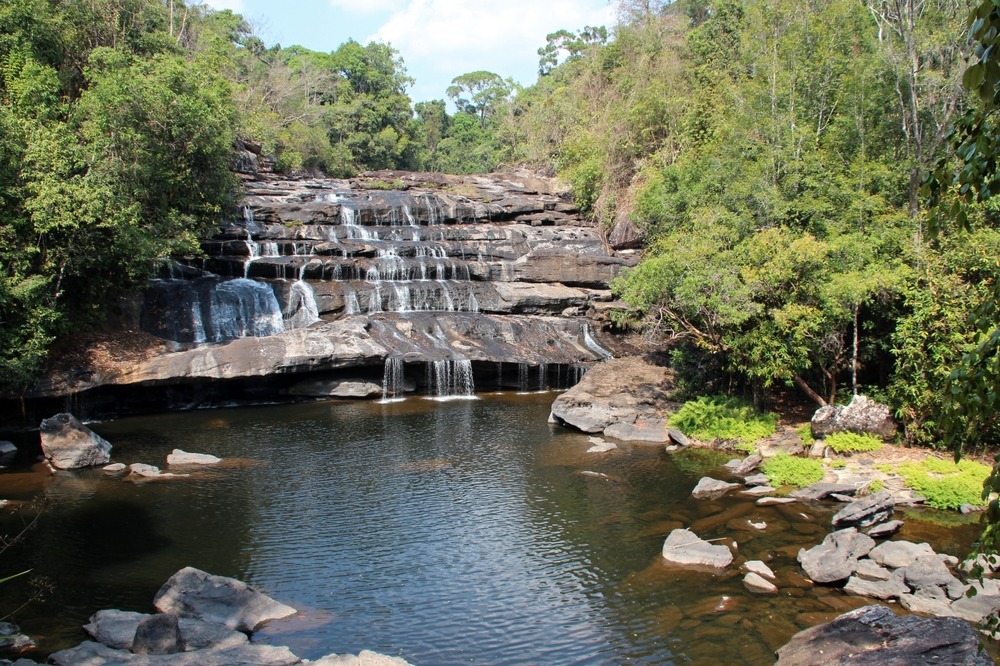
The Elephant Conservation Center (ECC) is a sanctuary located in Sayaboury province, in western Laos. Founded in 2011, it is home to around thirty elephants across 530 hectares of forest, on the shores of Nam Tien Lake. The center prioritizes animal welfare and prohibits elephant rides.
Why visit the Elephant Conservation Center?
Laos was long known as the "land of a million elephants." Today, the species is threatened and the country's population has dwindled, split between wild individuals and captive elephants from the logging industry. The ECC offers an alternative to conventional animal tourism: no rides on elephant backs, no performances. The visit centers on observation, understanding the work of caregivers, and discovering the breeding and care programs.
The center is partly sustained by tourist stays, with revenues funding veterinary care, land maintenance, and mahout training. Visiting the ECC directly contributes to species conservation and sustains jobs for mahout families.
History and mission of the center
The ECC was founded in 2011 and has been supported since by the nonprofit association ElefantAsia. The center is also an active member of the Asian Captive Elephant Working Group, a regional network coordinating research and best practices for captive elephants across Southeast Asia.
Its mission centers on several pillars:
- removing elephants from the logging industry to provide them with an appropriate environment;
- encouraging reproduction within an aging captive population;
- providing veterinary care to sick or injured animals;
- training mahouts in English, care techniques, and ecotourism;
- raising public awareness, both Laotian and international, about species conservation.
The 530-hectare forest territory provides the animals with space for socialization and part of their food: an adult elephant consumes over 200 kg of vegetation daily.
What to see and do on site?
The visiting areas
The guided tour covers four main spaces:
- the nursery, home to young elephants born at the center;
- the hospital, equipped for daily care and veterinary procedures;
- the socialization zone, allowing elephants to live in groups;
- the museum, dedicated to the species' history in Laos and the mahout profession.
Activities offered
- accompany mahouts in their daily tasks: feeding, maintenance, behavioral observation;
- attend the elephant bath at Nam Tien Lake at day's end;
- follow a veterinary consultation overseen by the center's medical team;
- cross the lake by canoe or kayak to reach certain areas of the grounds;
- sponsor an elephant or volunteer on an extended stay.
The center offers several stay options, from two days and one night to a week of eco-volunteering. All exclude riding.
Practical information
Accommodation and dining
Nights are spent in simple yet comfortable bungalows equipped with gas water heaters. Bathrooms are shared. The cuisine served is Laotian, prepared with local ingredients.
Equipment to bring
- hiking shoes, trousers and long-sleeved tops for the forest;
- cap or hat, sunscreen, sunglasses;
- water bottle, insect repellent, light rain jacket;
- small backpack for forest and lake excursions.
Rules and philosophy
The center prohibits riding (elephant rides) on animal welfare principles. Interactions are supervised by mahouts and veterinary staff. Pricing for packages varies by duration and includes transport from Luang Prabang, accommodation, and meals; expect a substantial budget, justified by direct funding of the conservation program.
When to visit?
The best time to visit the center runs from October to April, during the dry season. Temperatures are moderate and forest trails are accessible. The monsoon season, from May to September, may result in modification or cancellation of certain forest activities due to rain and muddy trails. The center remains open year-round, but forest outings and kayaking sessions depend on weather conditions.
How to get there?
Access is from Luang Prabang, the main entry point. Allow roughly 2.5 hours of travel to the meeting point near Nam Tien Lake. Two options:
- Center minibus: visitors who have booked a package are picked up by an ECC vehicle. A stop at the organization's office in Luang Prabang is usually necessary to finalize arrangements before departure.
- Public bus: independent travelers can take a bus from Luang Prabang's bus station in the morning. Departure may advance if the bus fills up. Upon arrival, a center guide takes over.
No direct air connection is practical for this destination; road travel remains the logical option.
What to combine in the region
The ECC pairs well with a detour from Luang Prabang. Several sites round out an itinerary in northern Laos:
- a descent of the Nam Ou River, which winds through karst landscapes and traditional villages;
- an evening at Luang Prabang's night market for handicrafts and street food;
- a visit to Ock Pop Tok boutique, devoted to Laotian weaving;
- a trek in Phou Khao Khouay National Park, another wild elephant territory.
Frequently asked questions
Frequently asked questions
No. The center bans riding from all its activities, prioritizing animal welfare. Interactions are limited to observation, daily care, and bathing at Nam Tien Lake.
The center is home to around thirty individuals, most rescued from the logging industry. They live across 530 hectares of wooded terrain.
The shortest package lasts two days and one night. Longer stays are available, up to a week of eco-volunteering.
Booking is done through the ECC, either online or at the organization's office in Luang Prabang. Packages include transport, accommodation, and meals. Check current rates before departure.
Yes, but the monsoon season, from May to September, may limit certain forest or lake activities.
Include the Elephant Conservation Center in your trip
The center fits naturally into a northern Laos circuit, complementing Luang Prabang and the Nam Ou valley. To build a tailor-made itinerary including this stop, explore our Laos travel suggestions.
Interested in this visit?
We can include it in your personalised itinerary.