Discovering the Bolovens Plateau: What to do and see?
With its impressive waterfalls and cascades, ethnic villages, and countless coffee and agricultural plantations, the Bolovens Plateau ranks among the major attractions in southern Laos.
With its impressive waterfalls and cascades, ethnic villages, and countless coffee and agricultural plantations, the Bolovens Plateau ranks among the major attractions in southern Laos. What to see and do? How to explore the region and how long should you spend there? Discover our practical guide to exploring the Bolovens Plateau.
The Bolovens Plateau in a nutshell...
The Bolovens Plateau is located in the emblematic region of Champassak, just under 50 km west of the city of Paksé. Home to several ethnic minorities of Laos, the Bolovens Plateau takes its name from one of them: the Lavens.
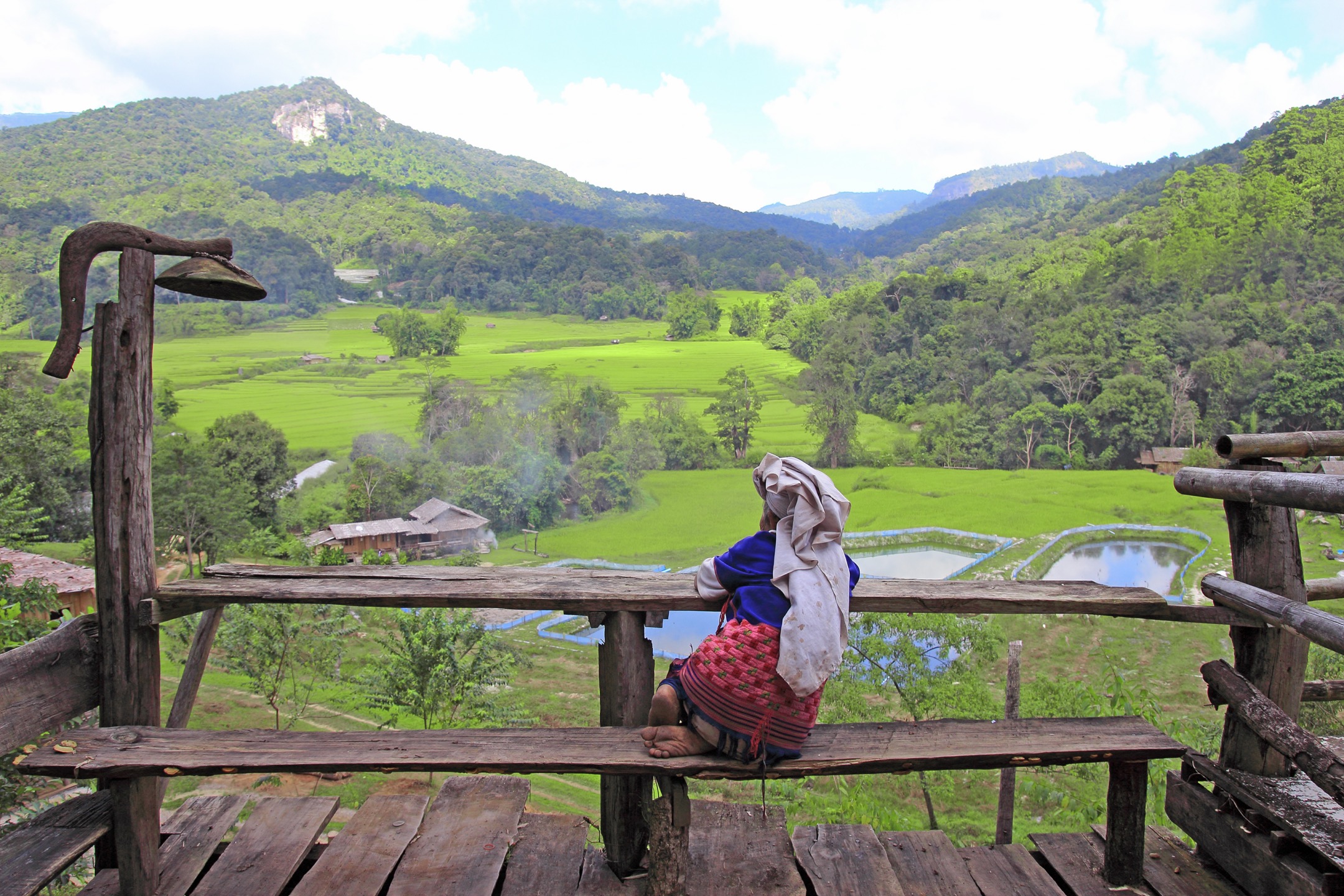
Situated at an average altitude of 1,000 meters above sea level, the Bolovens Plateau is brimming with natural treasures: waterfalls and cascades, pristine forests, lush hills... It is also a region renowned for its numerous agricultural crops (rice paddies, coffee plantations, tea, pepper, fruit...).
A little history: French colonists introduced the first coffee plants to the Bolovens Plateau nearly a century ago. Unfortunately, the region was one of the most heavily bombed by Americans during the Vietnam War. Despite this, coffee cultivation was reintroduced after the war by local families, enabling the Bolovens Plateau to become Laos's primary coffee-producing region today.
What to do and see on the Bolovens Plateau?

Here are the main tourist attractions of the Bolovens Plateau:
Waterfalls and cascades
Made up of national parks crisscrossed by numerous waterways, the Bolovens Plateau is renowned for its impressive waterfalls and cascades that plunge into the valley below. Among the most spectacular are:
Tad Fane: Made up of two twin waterfalls, this is the most famous cascade in the region. And for good reason—the falls drop 120 meters, making it the highest waterfall in Laos. Interestingly, it gets its name from a legend about a deer that supposedly jumped from the cliff to escape hunters (Fane meaning "deer" in Lao). Note that a zip line has been installed to get closer to the falls and experience an adrenaline rush!
Tad Yuang: This is a series of waterfalls cascading down multiple levels. While less impressive in height (42 meters), they sit within an enchanting landscape that captivates visitors. With a bit of luck, a rainbow may form during your visit, creating a truly magical atmosphere...
Tad Champee: Much less frequented than the previous ones, Tad Champee waterfall is the ideal spot to enjoy nature and find some peace and quiet.
Tad Lo: Located in the ethnic village of the same name, this comprises 3 waterfalls: Tad Hang (near the bridge), Tad Lo, and Tad Suong, the most impressive.
Pha Suam: This magnificent cascade is distinguished by its horseshoe shape as it plunges into a large basin 6 meters below. It is located near the ethnic village of Uttayan Bajiang (Bachieng).
Among other waterfalls worth visiting during a stay on the Bolovens Plateau are Tad Tayi Csua, Tad Jarou Kiet Oak, Tad Jarou Halang, Tad Jarou Thalaleui, Tad Jarou Maudren, Tad Tayicsua, Tad Diew, Tad Koa, Tad E Tu...
Attention!
Visitors are sometimes offered the chance to discover waterfalls during an elephant ride. We strongly advise against this type of activity for animal welfare reasons. To learn more, discover our article explaining why elephant rides should be avoided and what alternatives exist for observing them without causing harm.
Agricultural crops and plantations
Benefiting from exceptional climatic and geological conditions, the Bolovens Plateau is one of Laos's primary agricultural regions. Thanks to its fertile soil, numerous crops and plantations flourish here.
In fact, it is the leading coffee-producing region. An impressive 95% of Laotian coffee is harvested on the Bolovens Plateau. Several species of coffee plants are cultivated here, with Arabica, Robusta, and Liberica being the most widespread.
Beyond coffee, you can discover and visit plantations of tea, pepper, rubber, cassava, and fruit plantations (strawberries, bananas, durians, lychees...). It's an opportunity to meet local inhabitants who will happily show you their plantations and let you taste their local products.
Visiting ethnic villages and discovering traditional crafts
Like many regions of Laos, the Bolovens Plateau is a multiethnic area. Among the inhabitants of the Bolovens Plateau, you'll find several Mon-Khmer ethnic groups such as the Katu, Alak, Ta Oi, K-Lac, and Ngai. Although they all have different traditions, these peoples share one common trait: they have preserved an ancestral way of life and follow animist beliefs.
By exploring the ethnic villages of the Bolovens Plateau, you can not only meet local inhabitants but also discover their craftsmanship. Each village has its own artisanal specialties. For example, the village of Houayhe is renowned for its blacksmiths, while Ban Lao Ngam and Ban Saphay are known for their weavers.
How to explore the Bolovens Plateau?

Discovering the Bolovens Plateau by motorbike or scooter
The best way to explore the Bolovens Plateau is to rent a motorbike or scooter to complete the Bolovens Plateau loop. This is ideal for enjoying the region at your own pace, stopping for breaks whenever you wish, and taking time to meet the locals.
To explore the Bolovens Plateau on a motorbike road trip, you can follow two loops:
The short loop: Covering 170 km, this circuit passes through the must-see sites of the Bolovens Plateau and can be completed in 2 days and 1 night.
The long loop: Spanning 320 km, this itinerary allows you to discover, in addition to the main points of interest, off-the-beaten-path sites. It's ideal if you have plenty of time. Plan for a minimum of 3 to 4 days for the long loop.
In both cases, the circuits depart from and return to the city of Paksé. This is where you can rent and return your two-wheeler. We recommend choosing a semi-automatic motorbike for easier riding on the roads. Price-wise, expect around 100,000 KIP (approximately 4 to 6 euros) per day to rent a semi-automatic motorbike.
Practical tips:
We recommend booking an affordable place to stay in Paksé to store your belongings and travel light during your road trip;
Also remember to withdraw cash before your departure, as ATMs are hard to find in the region;
Prefer to park your motorbike in paid parking lots when visiting waterfalls. Since these are monitored, you won't risk theft.
What are the alternatives for exploring the Bolovens Plateau without a motorbike?
Not comfortable with the idea of riding a motorbike? Don't worry—there are other ways to explore the Bolovens Plateau. If you don't want to ride a motorbike or scooter, you can always charter a private minivan or take a day-long tuk-tuk excursion.
Note that public transportation also exists, particularly buses departing from Paksé, though you'll need to check locally about stopping at specific sites (such as waterfalls).
Finally, for the more adventurous and athletic visitors, it's possible to rent a bicycle to explore the Bolovens Plateau.
What is the best time to visit the Bolovens Plateau?
Laos has two main seasons: the rainy season from April to October and the dry season from November to March. To visit the Bolovens Plateau under the best conditions, we recommend going in early dry season—November, December, and January. At this time, the waterfalls will still be full of water. It's also the coffee harvest season, a perfect opportunity to learn more about the processes and different stages of coffee cultivation!
Frequently asked questions
Plan for a minimum of 2 days and 1 night for the short 170 km loop, and 3 to 4 days for the long 320 km loop. If you want to take time visiting ethnic villages and immersing yourself in coffee plantations, plan for 4 to 5 days instead.
The best time is the beginning of the dry season, between November and January. Waterfalls are still well-fed after the rainy season, and it's also the coffee harvest season, ideal for visiting plantations.
Expect around 100,000 KIP per day (approximately 4 to 6 euros) to rent a semi-automatic motorbike from Paksé. Since the circuits depart from and return to Paksé, this is where you can rent and return your vehicle.
Yes, several alternatives exist: charter a private minivan, take a day-long tuk-tuk excursion, take public buses from Paksé (with possible stops at waterfalls), or rent a bicycle for the more athletic.
It's Tad Fane, consisting of two twin waterfalls that drop 120 meters, making it the highest waterfall in Laos. A zip line has been installed to get closer and experience an adrenaline rush.
Yes, the Bolovens Plateau produces 95% of Laotian coffee. Several species of coffee plants are cultivated there, including Arabica, Robusta, and Liberica. Coffee was first introduced by French colonists nearly a century ago, then reintroduced by local families after the Vietnam War.