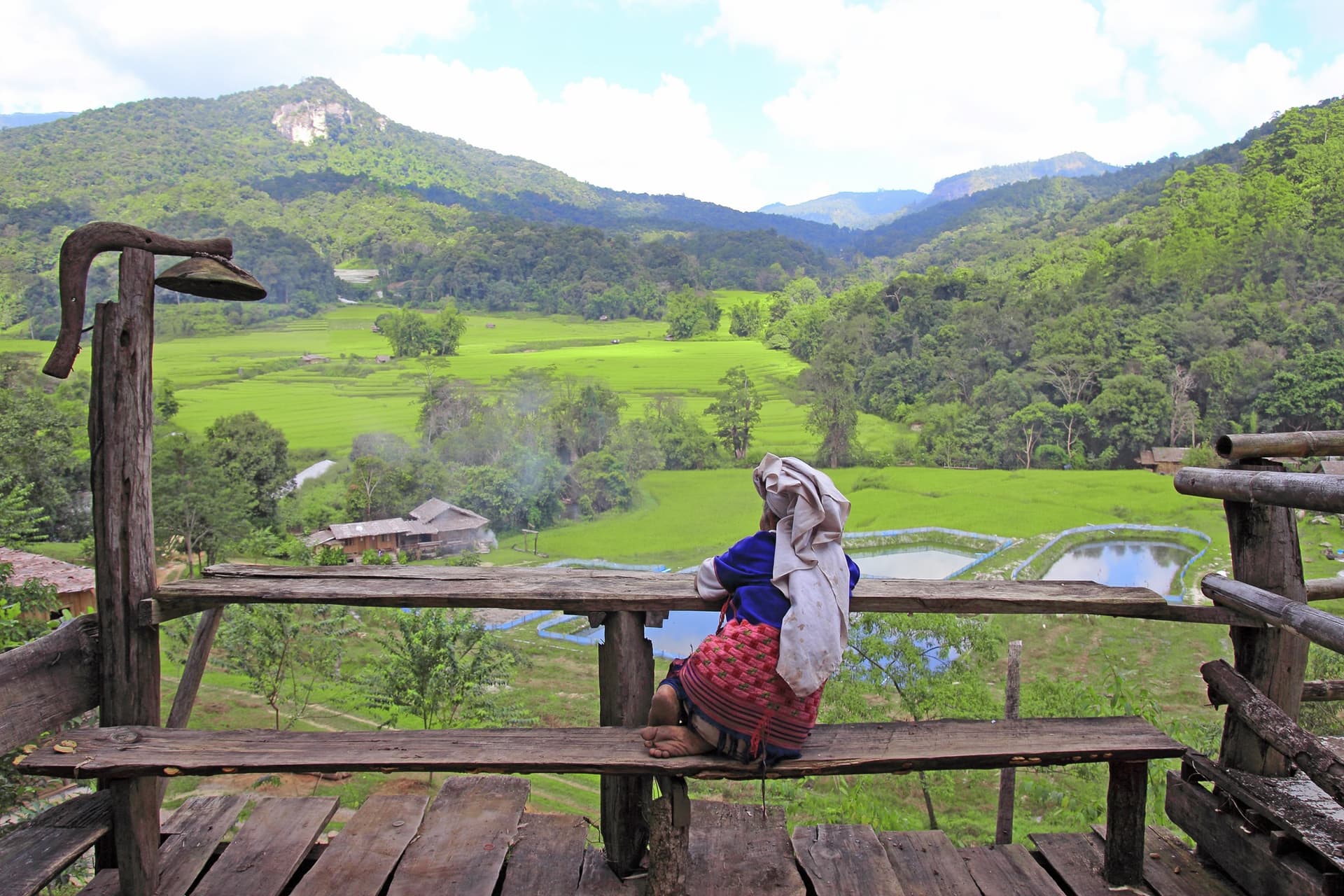
What to Do and See in Luang Namtha?
Located in northern Laos, Luang Namtha is a small, quiet town rarely visited by tourists. Marked by the Vietnam War, it captivates travelers seeking authenticity.
Located at the far north of Laos, Luang Namtha is a small, quiet town rarely visited by tourists. Though scarred by the bombardments of the Vietnam War, it now stands as a peaceful waypoint for travelers seeking authenticity. We reveal all the things to do and see during a stay in Luang Namtha, in the Golden Triangle.
Cycling or Motorbike Rides to Explore Luang Namtha's Countryside
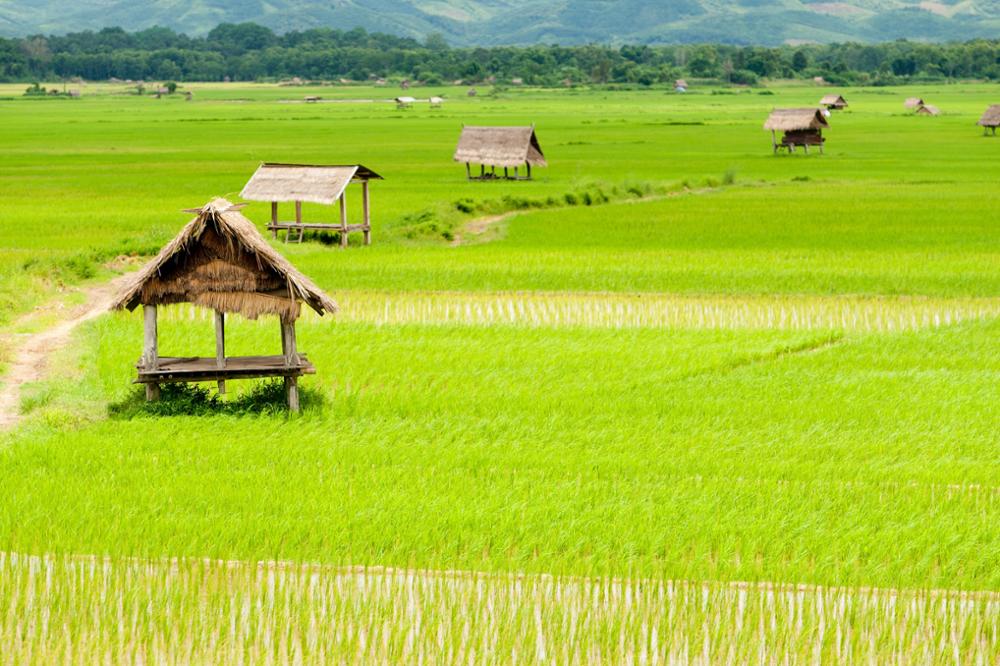
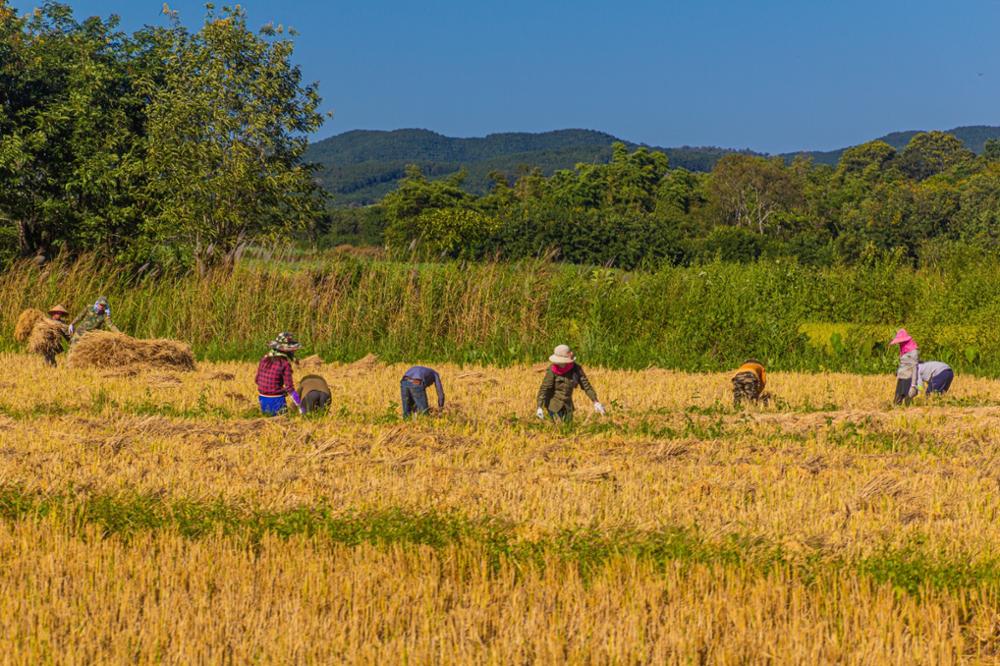
Surrounded by mountains and carpeted with vast rice paddies and plantations, Luang Namtha embodies rural Laotian authenticity. To soak in this peaceful atmosphere, nothing beats a bike or motorbike ride. It's also an opportunity to meet the locals, known for their extraordinary hospitality. Don't hesitate to wander through the rice fields where you can stop in one of the many bamboo huts of local farmers.
Visiting Temples in the Region
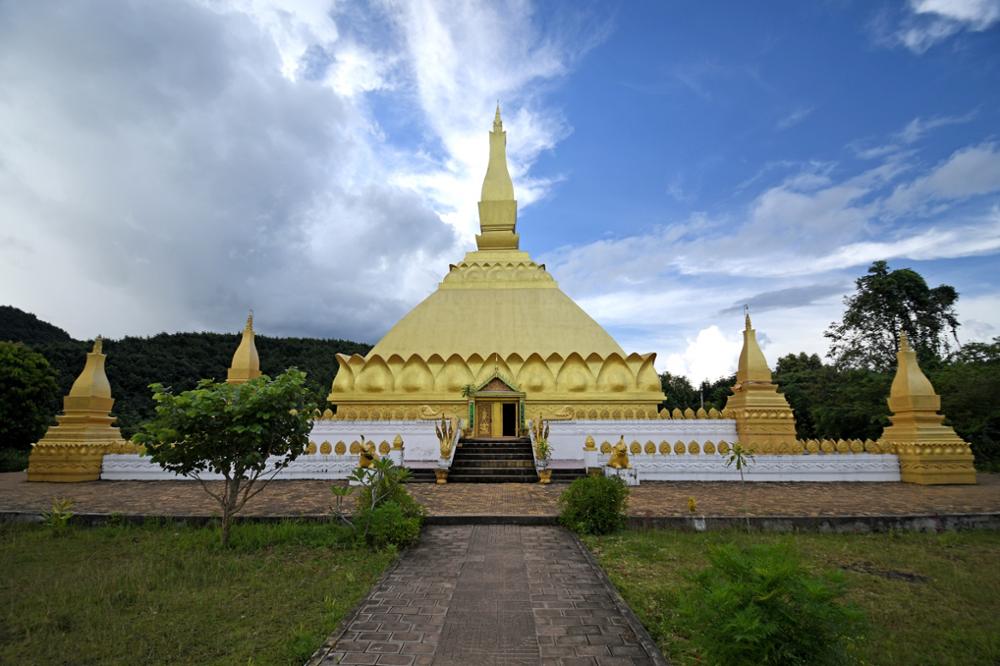
The Luang Namtha region is home to several temples and stupas. While not the most impressive in the country, they still merit a visit. You can notably visit Vat Ban Vieng Tai and Vat Ban Luang Khone, two Buddhist temples built by the Tai Yuan south of the city.
Don't miss That Phoum Pouk Stupa either, a stupa situated on a hill near Nam Ngaen village overlooking the Nam Tha River. Built in 1628 to mark the boundary between the kingdoms of Lane Xang and Lanna, the original stupa was destroyed by American bombers in 1966 before being rebuilt beside the ruins in 2003.
Swimming at Nam Dee Waterfall
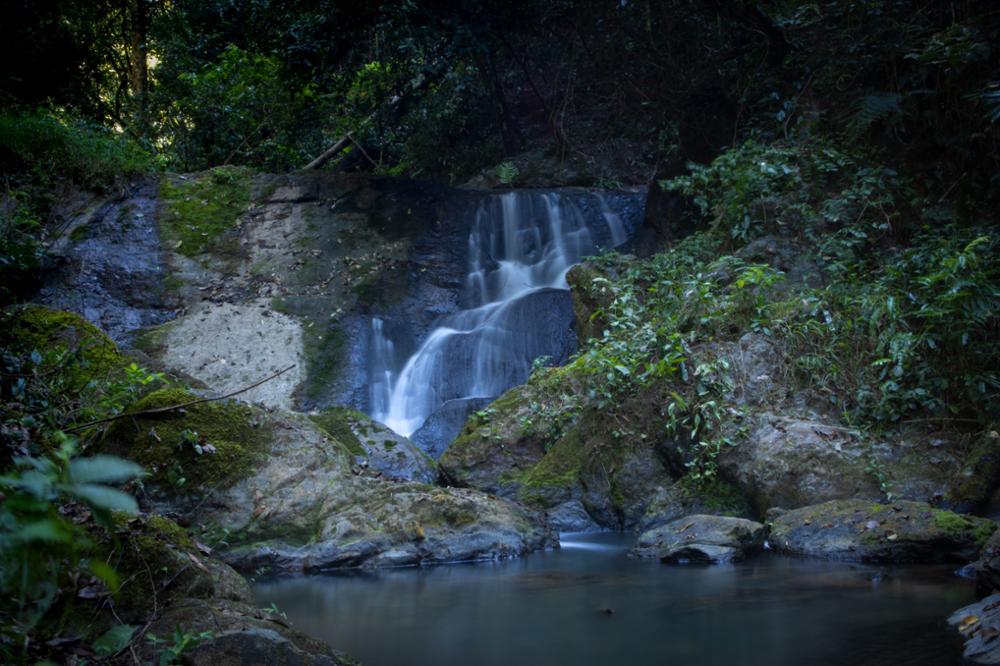
Near Phoum Pouk Stupa lies Nam Dee Waterfall. It's the perfect spot for a picnic and refreshing swim in nature. Note that the waterfall is best viewed during or just after the rainy season. The rest of the year, water flow is minimal or nonexistent.
Kayaking or Rafting on Nam Ha River
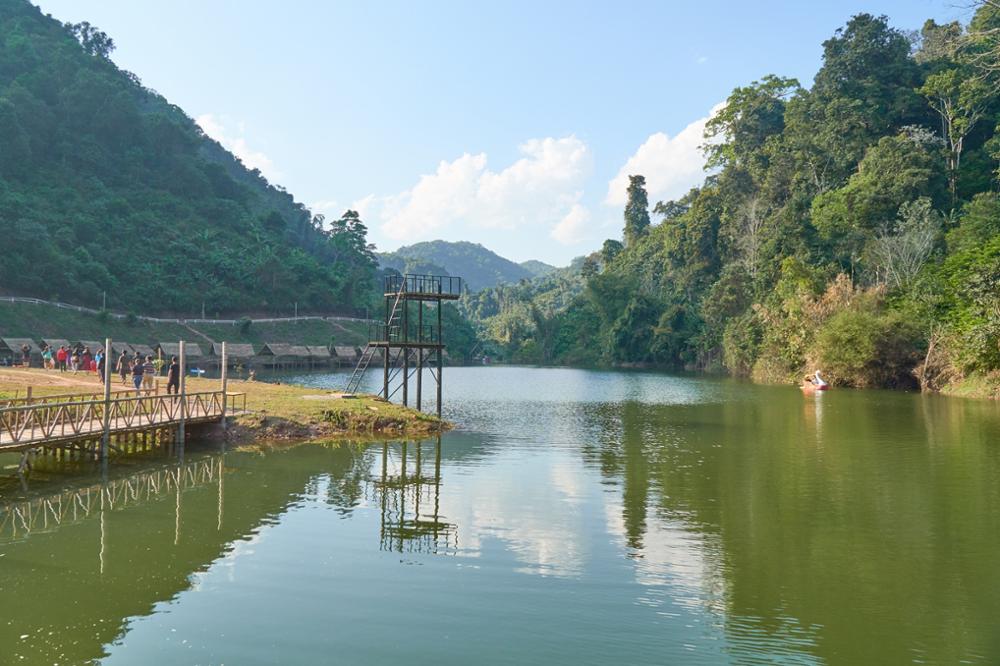
For thrill-seekers, venture out on a kayaking or rafting expedition on Nam Ha River, which winds through the region. Originating at the far north of the country, this winding river flows through Laos and merges with the Mekong upstream of Luang Prabang. Beyond the adrenaline rush of the rapids, you'll experience pristine nature and encounter local residents, most of whom belong to Laos's ethnic minorities.
Good to know: most excursions include stops in certain ethnic villages.
Visiting the City's Night Market
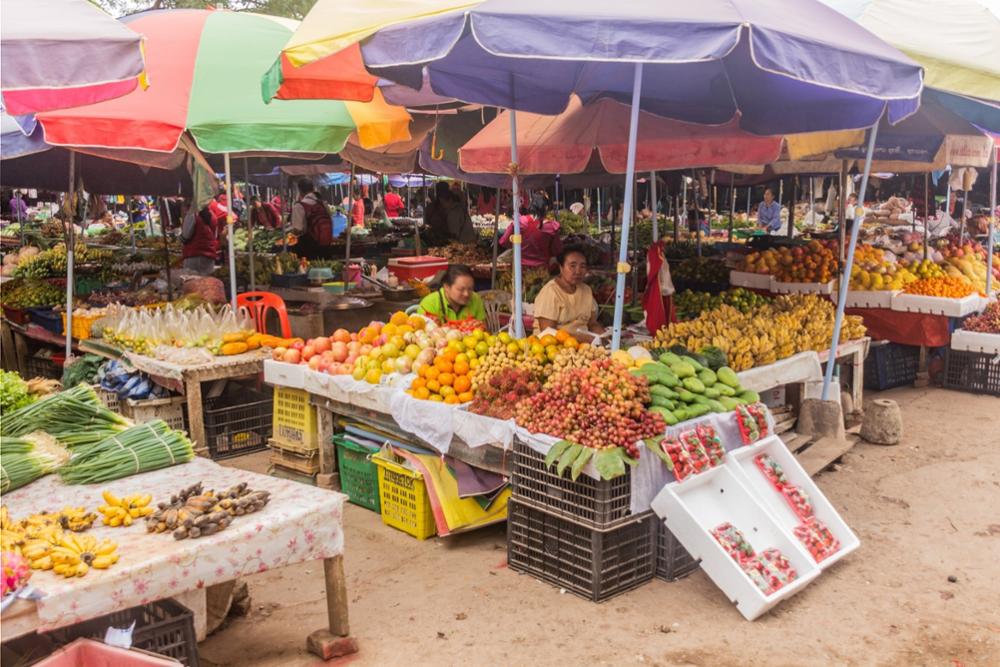
Luang Namtha's night market opens every evening in the city center. You'll find numerous handicrafts from ethnic minorities as well as Laotian cuisine specialties.
Caution
Elderly women from mountain tribes often approach tourists in the streets and near the market, offering to sell traditional bracelets or silver pieces. This is often a ruse to sell opium (a small sachet of opium is frequently hidden beneath).
Discovering Ethnic Minority Villages
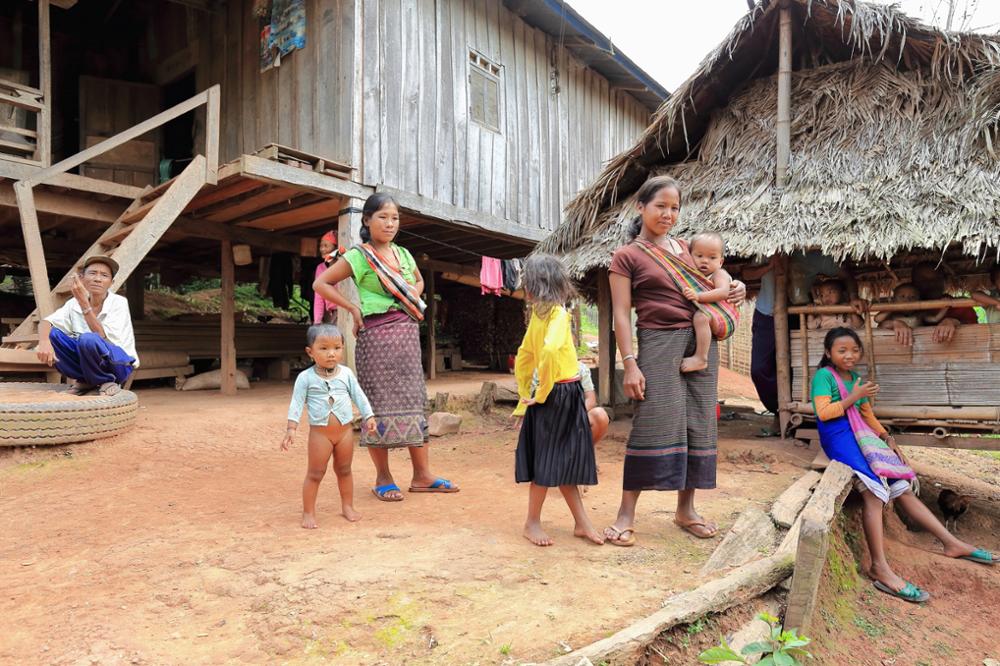
This is one of Luang Namtha's main attractions. The region is inhabited by numerous ethnic minority groups, making it one of the best Laotian destinations to meet them. To give you an idea, the area is home to over 175,000 people, 97% of whom belong to ethnic minorities.
Among the ethnic minorities of Luang Namtha, you'll find:
Thai Dam,
Lanten,
Akha,
Hmong,
Thaï Lue,
Black Tai,
Mien,
Yao,
Khmu,
Tai Lue,
Phou Noi...
Each ethnic group has its own dialect, traditional clothing and customs, but they all share one thing in common: they have preserved an ancestral way of life.
Living in small villages of bamboo houses with thatched roofs in rhythm with nature, some tribes also possess their own artisanal know-how. The Thai Dam minority group, for example, is known for its weaving, while the Lantens are specialists in bamboo paper production.
Meeting Ethnic Minorities in Luang Namtha: Good or Bad Idea?
While primarily living from agriculture and their handicrafts, ethnic tribes also benefit from tourism by opening their village doors to visitors. Though tempting to seek them out, it's worth acknowledging the voyeuristic effect this can entail. Indeed, showing up in a village simply to observe can be unsettling.
This is why you should ensure your visit genuinely benefits their resources. Here are our tips for visiting Luang Namtha's ethnic villages ethically:
Hire a local guide to organize the terms of your visit;
Sleep in the village to spend time exchanging with the community;
Remain polite and respectful: never enter a home without being invited, and never photograph without asking permission first;
Offer useful gifts: many children will ask you for money or candy. Instead, offer durable local products and avoid sweets that can cause dental issues;
Buy handicrafts from their artisans to support them.
Trekking in Nam Ha National Park
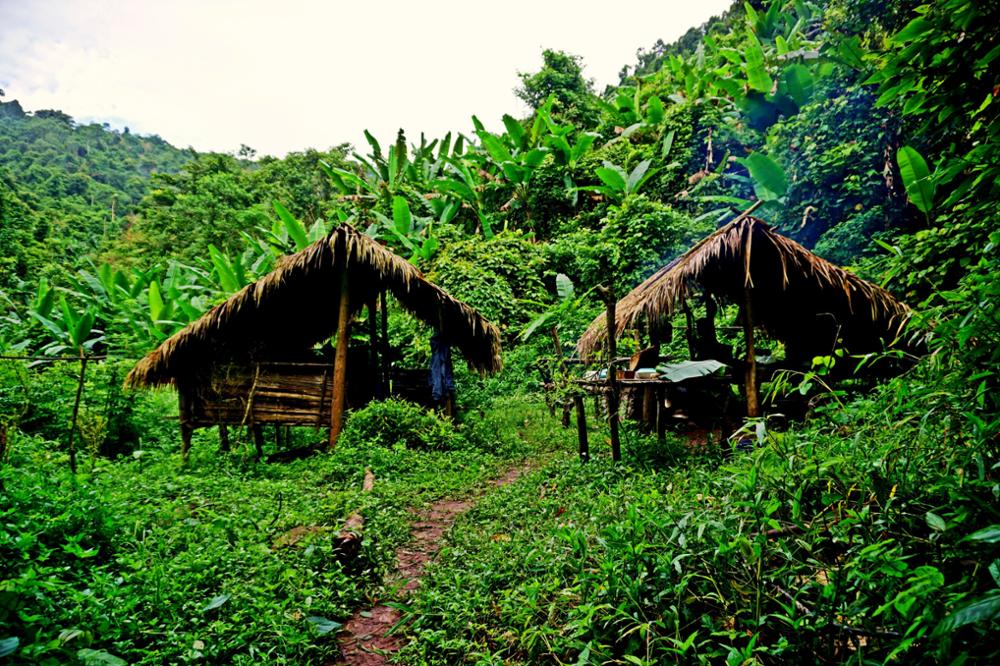
Trekking in Nam Ha National Park is one of the must-do activities during your stay in Luang Namtha. Protected by the International Union for Conservation of Nature (IUCN) since 1993, this ecological zone harbors pristine nature. You may encounter some wildlife and admire centuries-old trees.
The park is also home to the region's most remote ethnic villages. Thus you can combine jungle trekking with ethnic village visits. You can stay with local families or in lodges set up for travelers within the villages.
Exploring Muang Sing Village and Its Market
Located 50 km from Luang Namtha, on the China border, the village of Muang Sing is a must-see during your visit. The village is notably renowned for its colonial buildings and traditional ethnic architecture.
But what truly made its name is its famous colorful market. Once home to the opium trade under French Administration, the market is now the meeting point for regional ethnic minorities selling handicrafts and fresh produce—including some rather exotic items: frogs, insects, dried rat... The market operates mornings on the village's main street.
Besides its market, you can visit Muang Sing's Tribal Museum. Located in the former residence of the Little Prince, Phanya Sekong, it houses various artifacts like traditional tools from different ethnicities and precious historical and religious objects dating from the 18th and 19th centuries.
How Much Time Should You Spend in Luang Namtha?
It depends on your plans. Generally, we recommend at least 3 days: one day exploring the city center and surroundings (rice paddies, temples, Nam Dee waterfall...) and at least two days and one night trekking in Nam Ha National Park and discovering the region's ethnic minority villages.
Frequently asked questions
From Luang Prabang, you can reach Luang Namtha by bus (approximately 8 to 10 hours) or by plane via Lao Airlines. The road is winding but offers beautiful mountain scenery. It's also possible to reach Luang Namtha from the Chinese border at Boten, approximately 60 km north.
The best time to visit Luang Namtha is the dry season, from November to April, with pleasant temperatures and trekking-friendly trails. If you want to see Nam Dee Waterfall in all its splendor, prefer the rainy season (June to October) or just after.
A minimum of 3 days is recommended in Luang Namtha: one day to visit the city center, temples and Nam Dee Waterfall, and at least two days for trekking in Nam Ha National Park with one night in an ethnic village.
Yes, provided you follow a few guidelines: hire a local guide, ask permission before photographing residents, buy handicrafts directly from artisans, offer useful gifts rather than candy, and stay overnight to truly support the local economy.
Luang Namtha offers several outdoor and sports activities: kayaking and rafting on Nam Ha River, trekking in Nam Ha National Park, cycling or motorbike rides through rice paddies and surrounding countryside. Local agencies offer organized excursions with experienced guides.
Luang Namtha's night market opens every evening in the city center. You'll find handicrafts made by regional ethnic minorities (weavings, jewelry, bamboo items) and Laotian cuisine specialties. Beware of vendors selling bracelets or silver pieces that may conceal opium.
