Where to See Elephants in Laos
Once known as the Kingdom of Elephants, Laos has seen its pachyderm population decline dramatically due to poaching, deforestation, and overtourism…
Once known as the Kingdom of Elephants, Laos has seen its pachyderm population decline dramatically due to poaching, deforestation, and overtourism… To stem this crisis, numerous protection centers have emerged to safeguard the future of elephants in Laos… Here are 3 renowned centers where you can encounter these magnificent wild animals (without causing them harm).
Seeing Elephants in Laos: 3 Reputable Centers
1. The Elephants Conservation Center
About the Center
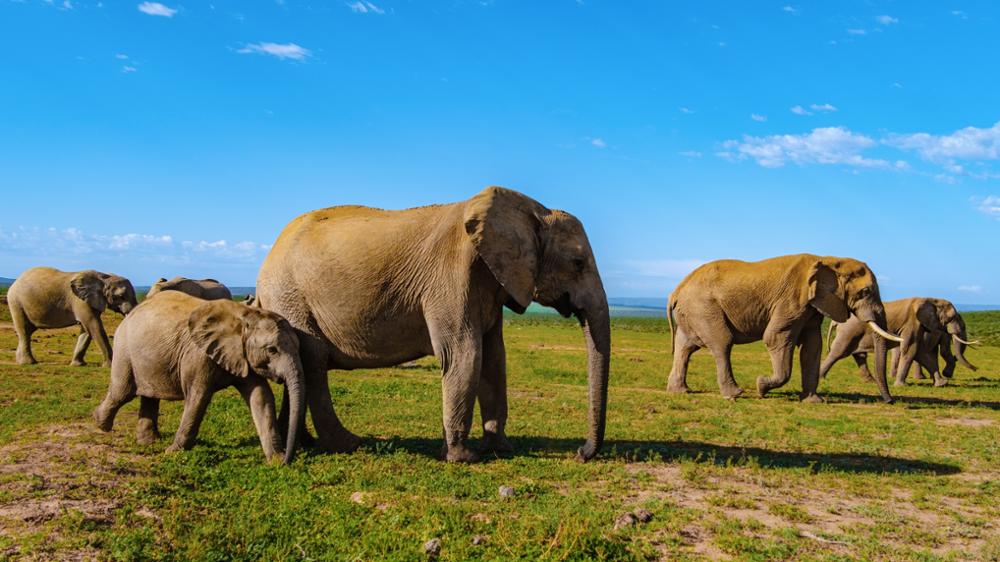
In Sayaboury Province (northwestern Laos), you'll find the Elephants Conservation Center (ECC). Founded in 2011 by two French nationals and a Laotian, the facility champions passionate protection of these imposing yet gentle animals (freeing them from tourism and forced exile caused by deforestation).
How? The ECC provides a welcoming natural setting for pachyderms, allowing them to thrive (and reproduce!) in complete peace, without threat from humans… Elephant protection projects are funded by tourist stays organized within the center.
The ECC is home to 29 elephants on its grounds. Some, previously mistreated, have been rescued from tourist activities. Others, destined for foreign zoos, ultimately ended up at the center instead of being exported.
Activities for Visitors
The stays organized within the center (representing 92% of ECC's revenue) help pay the 65 staff members who work daily for the animals' wellbeing.
For visitors? The center offers the opportunity to approach elephants (always respecting their wild nature), through 4 packages: 2, 3, or 4 days on-site or 7 days of eco-volunteering.
During your stay, you'll have the chance to:
- visit the nursery;
- meet the elephants and their mahouts;
- learn elephant care techniques;
- watch the elephants bathe.
Note that each stay includes one or more nights in bungalows, transport from Luang Prabang to the ECC, a boat crossing (to access the center located on a lakeside), and a hike through the surrounding area.
For the eco-volunteering stay, visitors actively participate in ongoing projects at the center and help staff with daily tasks (feeding elephants, cleaning habitats, etc.).
Price: Budget 200–290 €/package/person. Address: Nam Tien Lake Sayaboury, Sayaboury District, Sayaboury 00074, Laos |
2. The MandaLao Elephant Conservation
About the Center
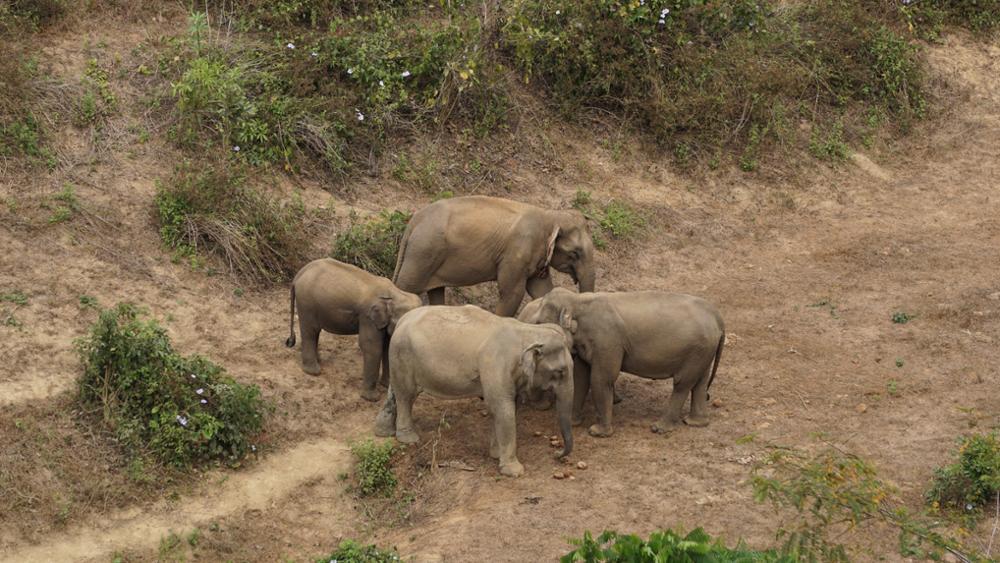
Less than 2 km from Luang Prabang, discover the Mandalao Elephant Conservation (Laos's most renowned elephant protection center). On-site, you'll meet animals ranging from 3 to 60 years old (mostly rescued from tourist attractions).
Activities for Visitors
The center's two co-founders offer several activities to gently approach the elephants. Beyond daily animal care and habitat maintenance tasks, visitors can connect with elephants through 3 packages:
- whisper in the elephants' ears;
- take a therapeutic jungle and rice paddy excursion (alongside pachyderms, never on their backs);
- communicate with the elephants (while preparing their meals).
Rescued from labor or exploitation, the animals live in harmony with nature, far from commerce and stress. Respected and admired, the specimens at Mandalao Elephant Conservation are pampered by staff—who will be delighted to share each elephant's story and answer your questions.
Price: Budget 100–160 €/package/person. Address: Sisavangvong Road Building 82 unit B, Laos |
3. The Elephant Mekong Camp Sanctuary
About the Center
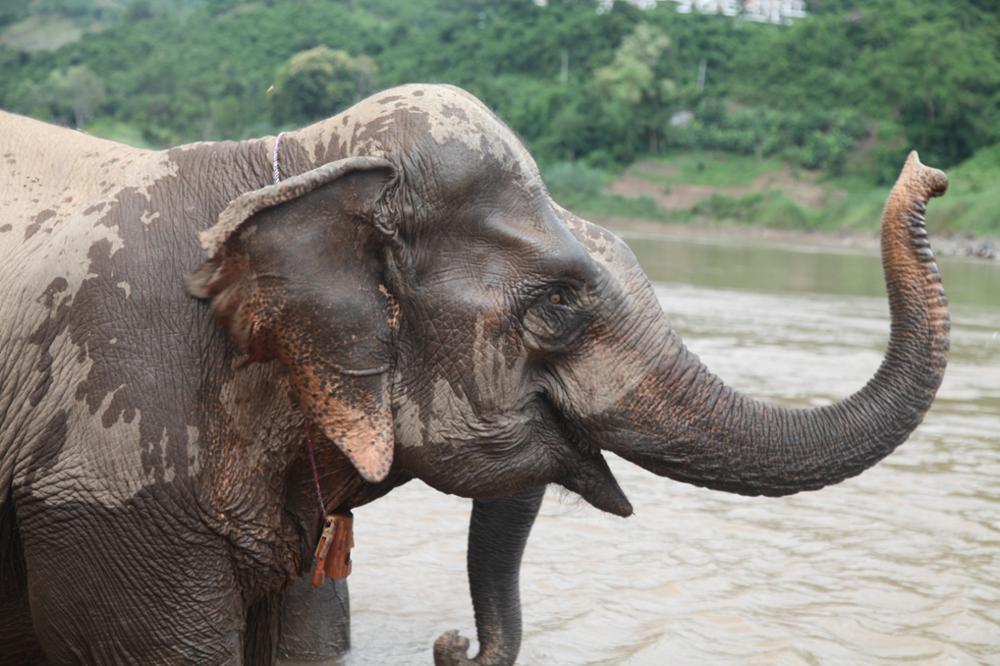
The Mekong Elephant Park Sanctuary (MEP) is located in Pakbeng, a village in Oudomxay Province. Managed by an English-speaking team, the center is highly vigilant about how visitors interact with their animals. The goal? Ensure elephants are never forced to do anything unnatural to them…
For these reasons, the center (like all serious protection organizations) offers no elephant rides and no bathing opportunities with these sublime wild animals. Instead, everything is arranged so visitors can fully enjoy these magnificent creatures without ever disturbing them.
Through its efforts, the Elephant Mekong Camp Sanctuary also works for the benefit of the local population (through job creation within the facility—catering, mahouts, etc.) and supports responsible tourism (essential to the region's economy and environmental protection).
Activities for Visitors
The center offers several packages to discover the elephants. All allow you to enjoy privileged moments with the animals in small groups (unlike standard admission, which only allows observation from a distance).
Whatever package you choose, tours must be booked through the center's official website. Excursion options include Elephant Wonders (with meals) and Elephantastic Instants (without meals), which allow you to:
- meet the elephants;
- spend 30 minutes walking alongside them;
- watch them bathe.
All accompanied by the mahout assigned to the elephants you meet.
If you notice a rope wrapped around an elephant's neck: don't worry. It's simply used to attach a small bell, which helps the mahout locate his animal when it's in the forest.
Price: 46–55 € depending on the package Address: Pakbeng, Oudom Xay Province, Laos Oudom Xay Province, 04000, Laos |
Why You Shouldn't Ride on Elephants' Backs in Laos
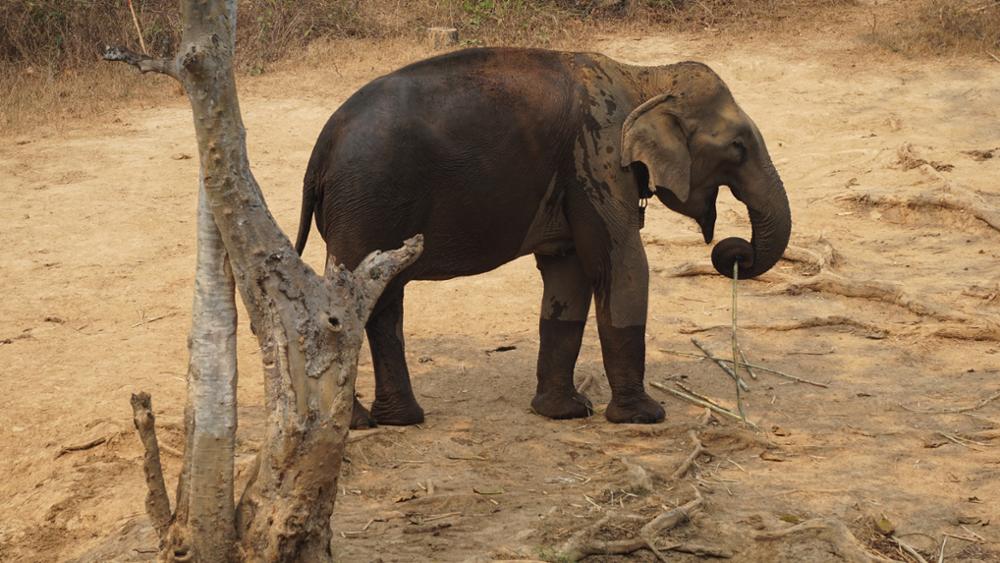
Elephant rides are an exotic attraction… to avoid during your Laos stay (or anywhere else)! The reason? Despite their imposing build, pachyderms remain wild animals not designed to carry people throughout the day (hundreds of kilos daily).
What Is Phajaan?
To entertain tourists, some mahouts don't hesitate to work elephants relentlessly or even abuse them to obtain complete cooperation. This violent training is called phajaan (the breaking of an elephant's spirit).
The principle? Break the animal's wild instinct so it submits to its master's orders. "Attraction" elephants often come from illegal captures (animals are removed from their natural habitat at a young age to secure early cooperation).
They're then locked in cages, deprived of water and food, and beaten to achieve submission through fear…
How Can You Tell If an Elephant Is Being Mistreated?
The answer is simple: an elephant walking under the constraint of a bullhook (a metal spike designed to pierce the animal's skin to force it forward), not living freely in a dedicated care center or nature reserve, is an animal being used for tourist purposes.
Even if tourists don't directly participate in their abuse, they contribute by taking elephant rides… Conclusion? Visiting elephants = pay attention to their living conditions!
Frequently asked questions
No, none of the 3 centers featured in this article (ECC, MandaLao, Mekong Elephant Park Sanctuary) offer elephant rides. This practice is considered harmful to animals, which are not designed to carry people. These centers prioritize an ethical approach respectful of animal welfare.
The dry season, from November to April, is generally ideal for visiting Laos and its elephant protection centers. Roads are more passable and weather is more favorable for outdoor activities. Check availability directly with each center before booking.
Prices vary by center and package chosen. Budget 46–55 € for Mekong Elephant Park Sanctuary, 100–160 € for MandaLao Elephant Conservation, and 200–290 € for stays at the Elephants Conservation Center (ECC) in Sayaboury. These prices may change; consult official websites for current rates.
Phajaan is a violent training method used to force wild elephants to submit to human authority. It involves isolating the animal, depriving it of food and water, and beating it to break its wild instinct. This practice is strongly condemned by animal protection advocates. This is why choosing ethical centers when viewing elephants in Laos is essential.
The ECC is located in Sayaboury Province, northwestern Laos. Stays offered by the center include transport from Luang Prabang and a boat crossing to access the center, located on Nam Tien Lake. It's recommended to book directly with the ECC to organize your transfer.
Yes, the Elephants Conservation Center (ECC) in Sayaboury offers a 7-day eco-volunteering package. Participants help staff with daily tasks: feeding elephants, cleaning habitats, and participating in ongoing protection projects. It's an immersive and enriching experience for travelers wanting to actively engage.