Sam Neua
Sam Neua
Secluded capital of Hua Phan province, Sam Neua unveils the history of the Pathet Lao, the caves of Vieng Xay, weaving villages and wild trekking trails.
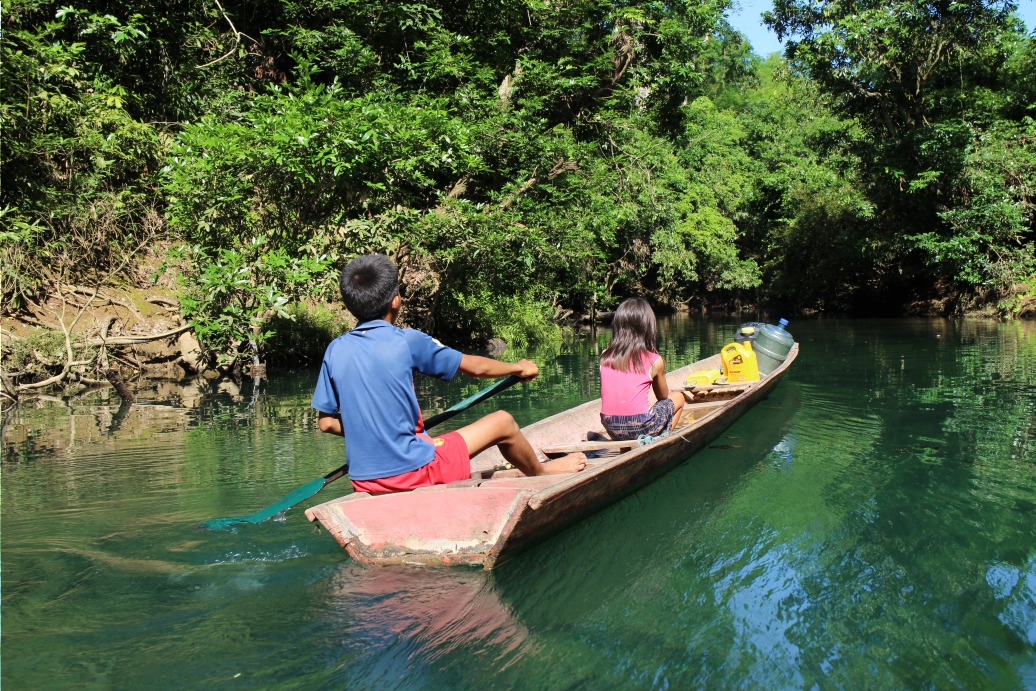
The city of Sam Neua, or Xam Neua, is one of the most remote towns in Laos. Often described as modern, it remains largely bypassed by Western visitors. This understated city, drowsy in its own rhythm, draws its main appeal from the surrounding landscape: steep mountains, earthen trails, rustic transportation, terraced rice paddies, hot springs, and charming waterfalls. But above all, it is a picturesque and isolated corner of the world where numerous sites of interest deserve a detour: the town of Vieng Xay, the megaliths of Hintang, minority villages specializing in the art of weaving, and protected ecotourism zones.
History
1954 marked the year the Laotian War ended and the Pathet Lao left its mark on the Geneva Accords. These stipulated that communist troops could retain control of the territories conquered from the National Army. Given that certain localities in the former Sam Neua province were under communist control while others remained under the grip of the RLA (Royal Lao Army), a CIC (International Control Commission) was established to maintain the ceasefire and prevent escalation. Between 1955 and 1958, its headquarters were based in the town of Sam Neua.
Toward the 1960s, the land of a million elephants juggled conflicting interests between communists, pro-Americans, and neutralists. This led to the eruption of the Second Indochina War, when American aerial bombardments filled the skies and plunged the country into unprecedented devastation.
Many locals were forced to seek refuge in the Vieng Xay caves to escape relentless foreign shelling. In Sam Neua, more than 20,000 people settled deep within limestone mountains, in their underground "hidden city". They organized daily life in these dark caverns, building hospitals, schools, markets, a radio station, and the headquarters of the Lao Patriotic Front. During the day, they remained confined and terrorized by the roar of explosions. At night, they cultivated crops to survive.
After prolonged conflict, the town of Sam Neua became in 1975 the birthplace of the Lao People's Democratic Republic (LPDR).
Today
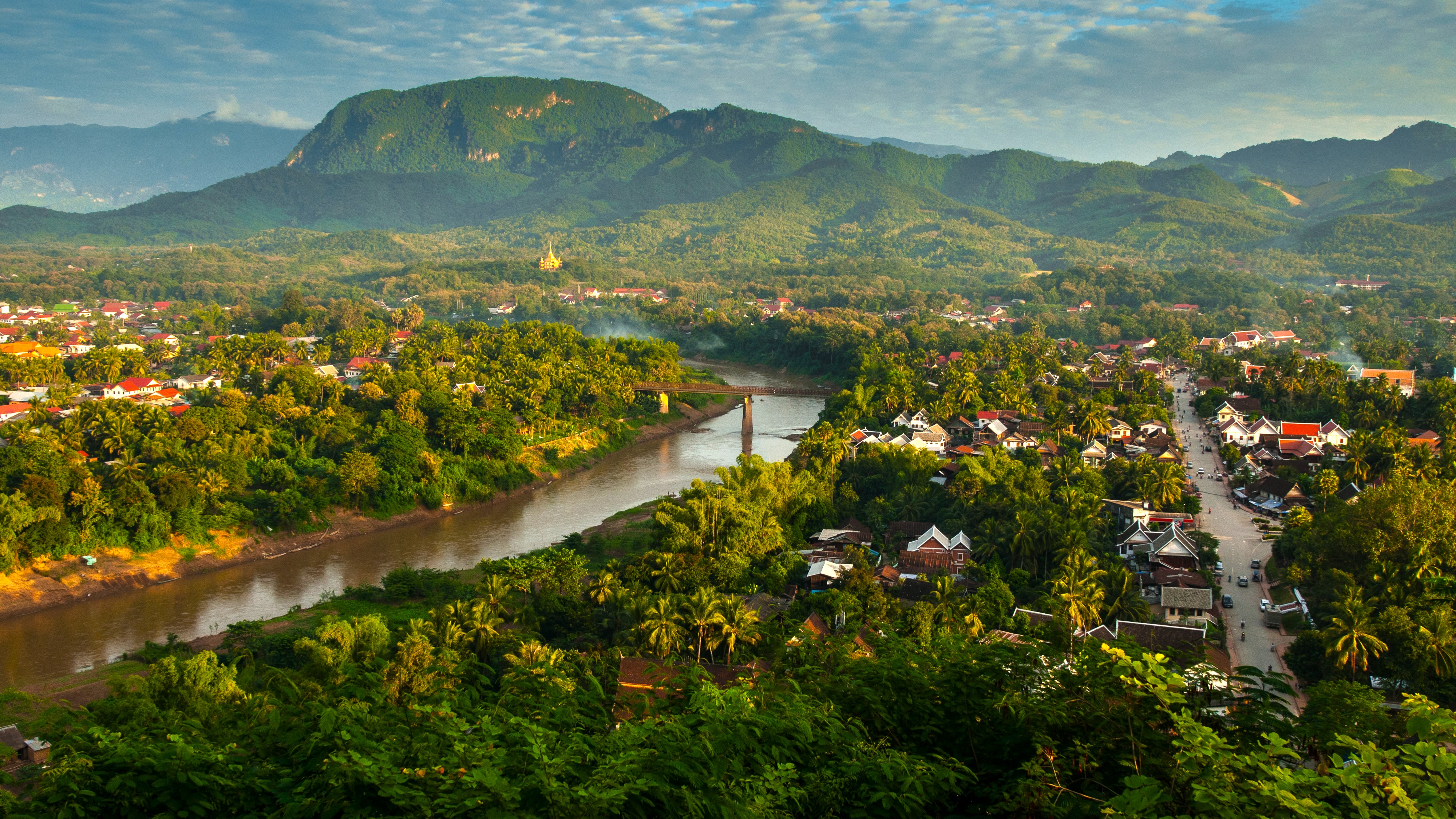
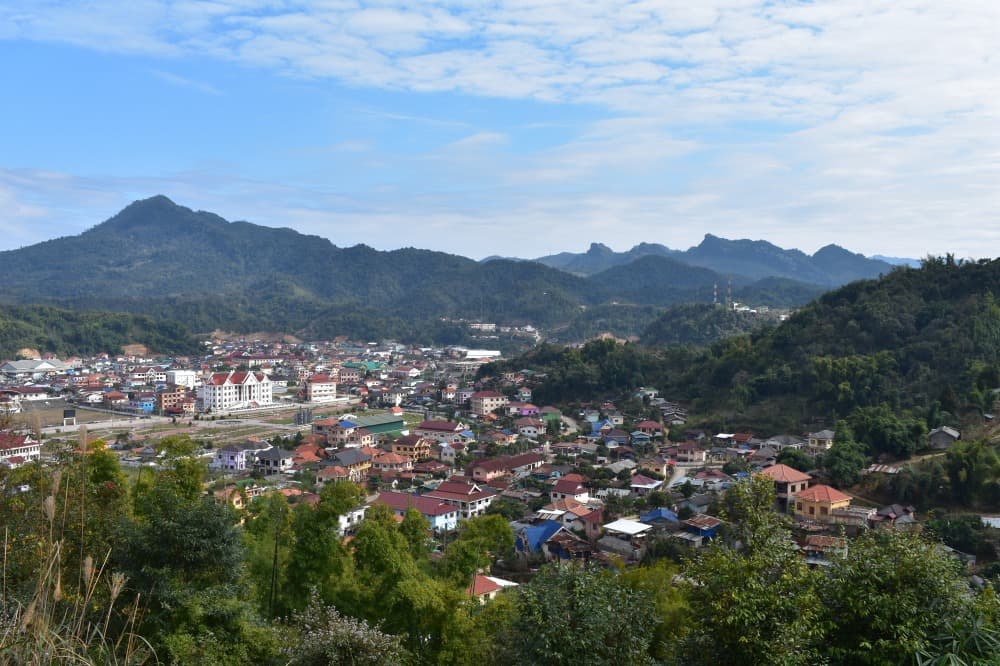
Despite the ravages of war, Sam Neua has turned toward the future and continues to rebuild slowly but steadily. Today, it nestles in an attractive valley dotted with white concrete houses sporting red roofs, charming guesthouses, verdant rice fields, and imposing mountains.
Vieng Xay
Visitors often come to Sam Neua to transit through the town of Vieng Xay. The historical and tourist interest of this region is far more tangible than the peaceful capital of Hua Phan province. Its famous caves sheltered inhabitants and the Pathet Lao during the Indochina War between 1964 and 1975. Nestled within spectacular limestone karsts, only certain caverns are open to the public. Exploring their depths with an experienced guide allows you not only to admire the beauty of the rock walls but also to witness the living conditions endured by Laotians during the assaults of the American military.
Natural Heritage and Archaeological Heritage
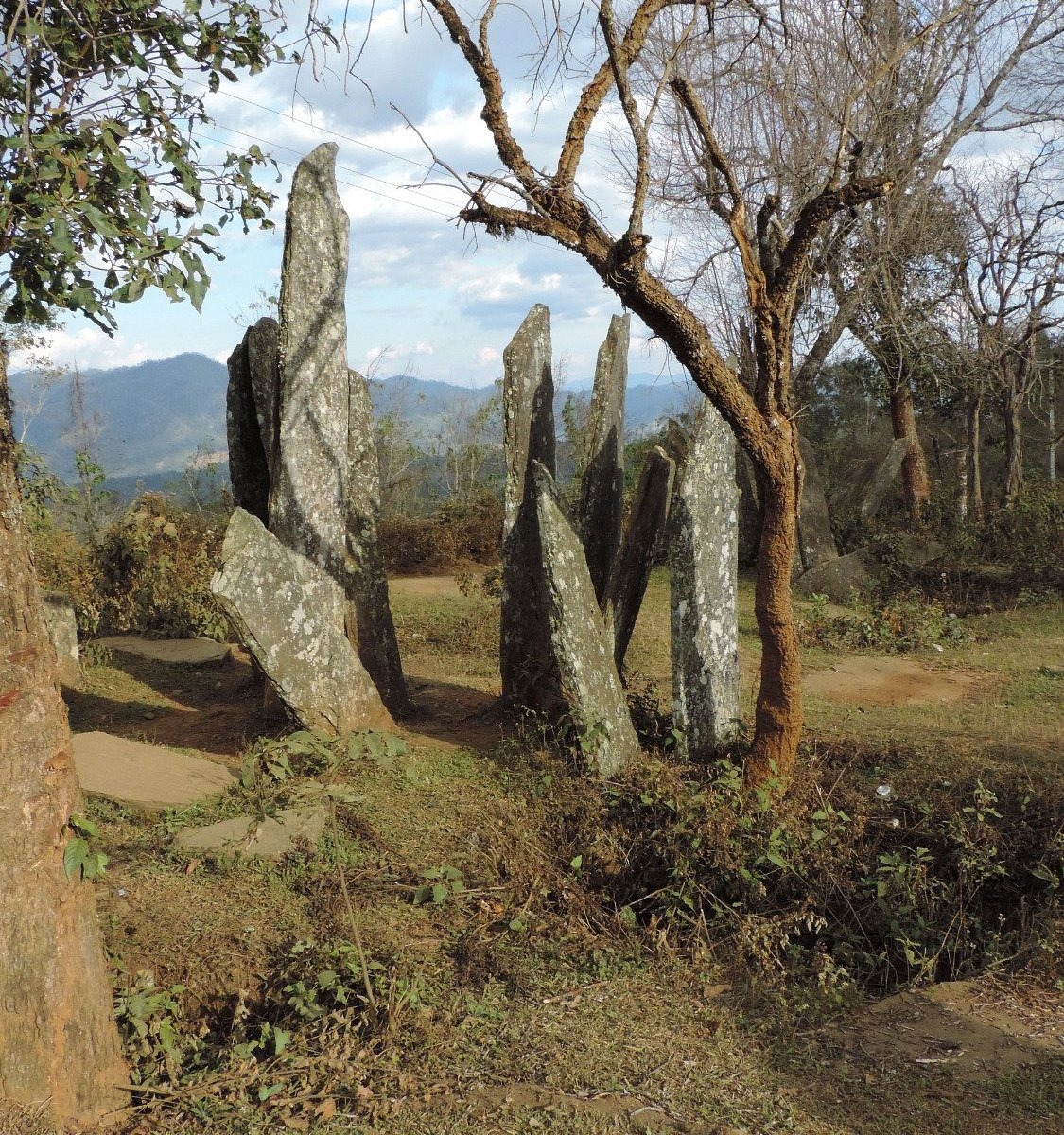
Among the other treasures of this locality stands the Hintang Archaeological Park, inscribed on the UNESCO World Heritage list. An important prehistoric site, it is distinguished by its intriguing megaliths. This place remains little-known given its remoteness from town and the poor condition of roads leading to it.
Beyond its megalith reserve, Sam Neua captivates with two national protected zones (NPZ): Nam Et–Phou Louey and Nam Xam. They remain the precious habitat of various rare wildlife species: wild elephants, gaur, banteng, tiger, clouded leopard, Asian black bear, and Malaysian sun bear, wild cats, white-cheeked gibbons, sambar, dholes, and more. These are two biodiversity conservation areas in Laos highly prized for their ecotourism treks. Visitors venture out to discover the splendor of nature: through dense forest, beautiful waterfalls, and steep trails.
Its Human Capital and Minority Villages
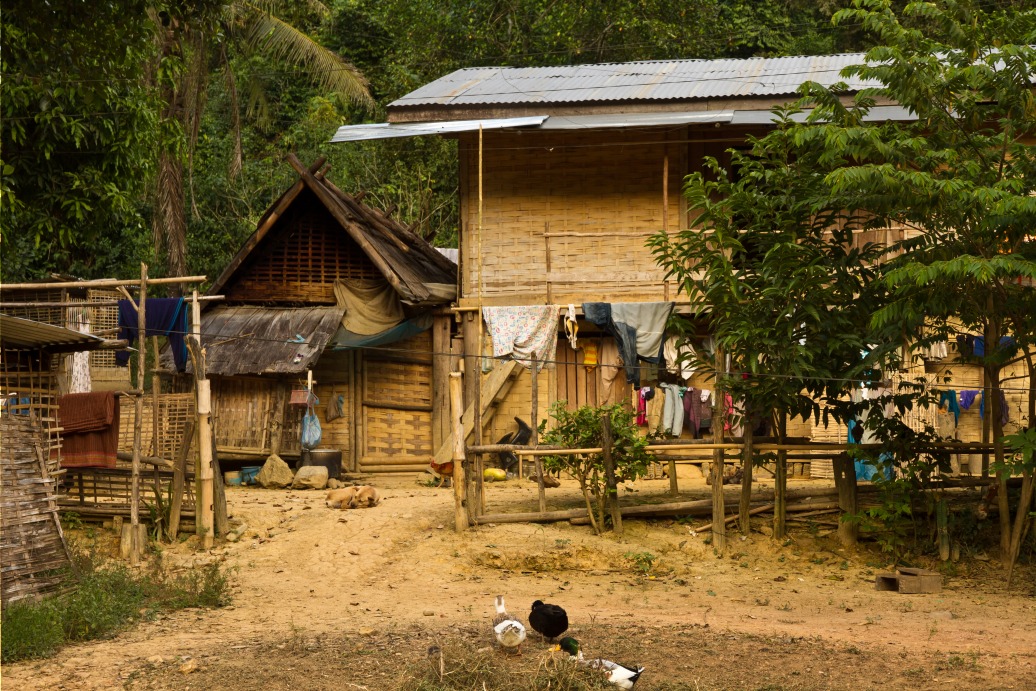
The population of this locality is highly diverse. Laotians, Vietnamese, Hmong, Thai Dam, Thai Deng, and Thai Lu have made their home here. They are known for being warm and welcoming. They typically engage in the cultivation of rice, sesame, corn, soy, and medicinal plants. Beyond agriculture, they practice purely traditional craftsmanship. In the village of Xamtay, residents distinguish themselves through the incomparable quality of their textile weaving. The same applies to Saleuy (36 km from town) with its majestic waterfall. At 12 km from Sam Neua, the Ban Tham village promises a unique experience in the Buddha Cave: a cavern where a striking Buddha statue is housed.
In the main town, its local markets constitute a welcoming meeting place among ethnicities, handcrafted goods, and the occasional foreign visitor.
Climate and Geography
Capital of Hua Phan province, Sam Neua is situated in the Northeast of Laos. It is a landlocked region characterized by mountainous terrain with steep slopes. It borders North Vietnam to the Southeast and receives few tourists.
Despite its isolation, its natural landscape merits attention. Those wishing to visit should aim for the period between October and March. The average annual temperature is 20°C. Being set in a hilly region at 1,200 meters altitude, the thermometer tends to drop considerably in winter, particularly at night and early morning. Between April and October, rain is guaranteed: the surroundings don a lush green cloak. Nevertheless, the air becomes noticeably warmer and more humid.
By Bus
Bus is the primary means of reaching Sam Neua. Multiple services are available:
- from Nong Khiaw: 130,000 kips per seat; 10 to 11 hours of travel.
- from Luang Prabang: a longer journey taking over 15 hours for 140,000 kips per person. Two buses depart daily from this major city, passing through Nong Khiaw and Vieng Thong.
- from Phonsavan: 100,000 kips for an overnight journey and 80,000 kips for a daytime trip. Travel is by minivan.
- from Vietnam: the crossing includes passage through the Nam Soi–Na Meo border and a Lao visa obtainable upon arrival.
Arrival is at the Phou Tanou Bus Station, known as the upper station, located 1 km southwest of town.
By Plane
Its "Nathong Airport" accommodates rare indirect flights from Vientiane.
Sam Neua is a small town with a main road ideal for walking. Traffic is light, making pedestrian exploration pleasant. To travel from the bus station to the city center, tuk-tuks offer their services for a few thousand kips.
Regarding connections to neighboring villages, the Nathong Station (4 km northeast of the center) operates buses to Vieng Xay, Sop Hao, Muang, Nam Nua, and Na Meo (at the Vietnamese border).
Useful Information
- Bring sufficient cash, as there are no ATMs or money exchange services available locally.
- Some guesthouses provide WiFi connections and spare computers. Otherwise, inexpensive internet cafés abound throughout town.
- Learn to distinguish between genuine local handcrafted goods and cheap Chinese and Vietnamese imports.
What to Do?
- Visit the historic caves of Vieng Xay
- On the way to Vieng Xay, admire the power of the Nam Noua Waterfall and cool off in the pool below
- Capture images of the dolmens of the Hintang Archaeological Park
- Trek and hike in the Nam Et–Phou Louey or Nam Xam reserve
- Stroll around the local markets and pick up traditional handicrafts, including colorful textiles woven by women from surrounding ethnic villages
- Immerse yourself in traditional culture by visiting nearby villages
- Enjoy the beauty of the surrounding nature through exploration of the region
Want to discover this destination?
Our local advisors design your tailor-made trip.