Muang Sing
Muang Sing
Sixty kilometers from Luang Namtha, Muang Sing brings together 11 ethnic minorities, an ancient opium bazaar turned market, and some of the finest treks in the Nam Ha NPA within Laos's Golden Triangle.
A small town in Luang Namtha Province, Muang Sing (or Sing) ranks among the essential stops on any Laos journey. It's highly prized for its cultural and traditional richness. The town stands out for its concentration of ethnic communities and raw natural landscape. Ringed by towering mountains, lush forests, and terraced rice paddies, it's an ideal destination for indulging in trekking and hiking. An off-the-beaten-path adventure that leads to the lands of the Tai Dam, Lolo, Lanten, Akha, Tai Lue, Hmong, Mien, Tai Neua, Khmu, Phou Noi, and Yao peoples.
History
Its history remains unclear before the late 18th century. As far as we know, the Nam Sing river valley was established by the widow of ruler Chiang Khaeng. This was in 1792. This woman had migrated with her son Cao Saengsi to Ban Nam Dai, fleeing discord among her six sons. Later, she built a fortified city and a great stupa named That Xieng Tung atop a mountain overlooking the southern end of the valley.
During the 19th century, most of Muang Sing's population was reportedly deported to Nan territory, to Chiang Kham. As a result, the place lay abandoned for several decades. Only mountain tribes remained.
In 1880, Buakham built a Buddha statue near the Ban Nam Dai monastery. This woman was suspected of being the concubine of Chiang Khaeng's ruler, Cao Fa Sili Nò. He had intended to move his principality's capital with more than 1,000 Lue people from Muang Yu to Muang Sing, to protect them from potential Burmese retaliation.
In 1884, another temple was constructed in the valley: Wat Hua Khua. Meanwhile, locals sought new ground to establish the new town of Sing. By 1887, the first settlers arrived. But the region showed signs of instability.
Shortly before 1895, the British and French entered secret negotiations on establishing a buffer state in the Upper Mekong zone, with Sing as its center. But these talks failed. France simply installed one of its garrisons in this small town.
In 1901, Cao Fa Sili Nò died and the small city officially became part of the Kingdom of Laos in 1904. Between 1907 and 1911, internal conflicts erupted. His follower, Chao Fa Mon Onkham, fled to China to fight the French. In 1916, France neutralized him. Thus this canton fell under colonial rule. France used it as a marketplace, weighing station, and control point for its opium trafficking within the Golden Triangle. By the end of World War II, opium trade represented 15% of colonial revenues.
In 1946, China's Kuomintang attacked Sing. The locality was ravaged by fighting: brick walls and markets were destroyed and reduced to ruins. Between 1953 and 1954, France withdrew from Laos, taking its drug business with it, and the small Lao city's market was rebuilt.
Today
In the Heart of a Quiet Town
A handful of interesting activities await in the town center. Most notably, visitors appreciate the slow, peaceful pace of local life. A serene atmosphere that enhances the pleasure of strolling on foot along its dirt roads, cycling at leisure, and savoring its cuisine—the Khao Soi noodle soup to be enjoyed with relish, Lao beer, and rice whisky. While exploring its corners, one is captivated by the splendor and authenticity of its colonial buildings, wooden houses with Tai Lue architecture, and the charming storefronts of its guesthouses.
Essential sites woven into its urban landscape include:
The Local Market
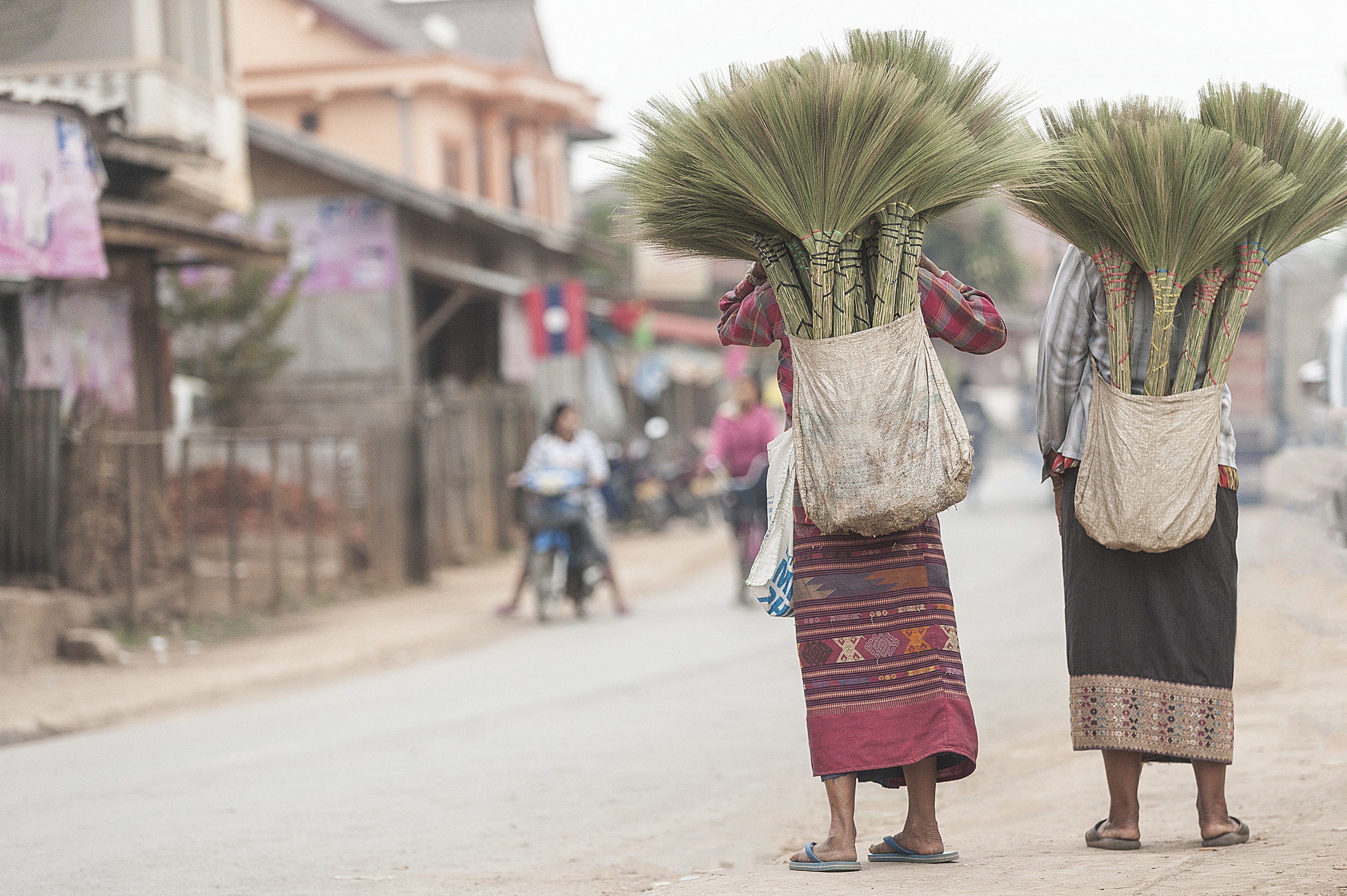
Buzzing and colorful, this former opium bazaar is now the daily gathering place for minority villages. Their inhabitants come to display their wares. They sell handicrafts, local foods (soy paste, sweets, waffles, noodles, etc.), and groceries (vegetables, fruits, meats, spices, and herbs). Some Yunnan merchants also rush here to offload imported goods from China—clothing, household appliances, electronics, cooking oil.
The Tribal Museum
The locality's culture and history are narrated through exhibits of various artifacts such as traditional tools from surrounding ethnic groups and precious historical and religious objects dating from the 18th and 19th centuries. Renovated in 2005, this gallery was formerly the residence of the Young Prince, Phanya Sekong or Jao Fa Noi.
At the Tourism Office, you'll find a complete kit for any Laos explorer: detailed maps, brochures, itineraries to must-see sites, information on the region's minority villages, and trekking options in Muang Sing.
Surroundings
Often, many travelers prefer to enjoy the surrounding natural sites rather than linger in town when traveling through Laos. Sing is no exception. There's clearly plenty to do outdoors: trekking, hiking, and exploring. Standout activities and sights include:
Visiting Ethnic Villages
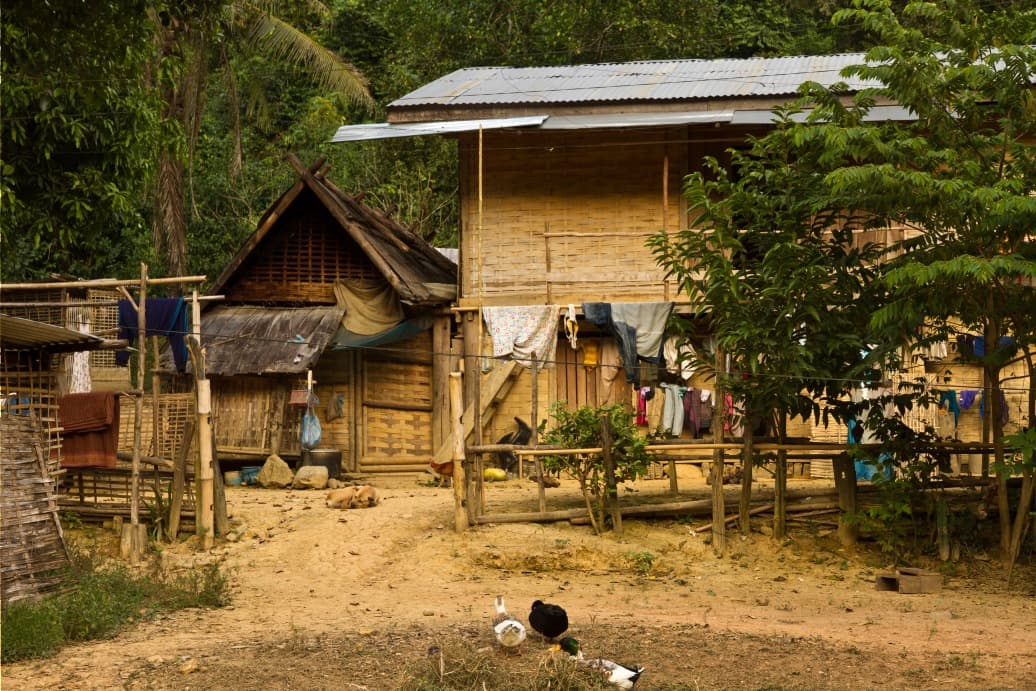
In these remote hamlets, traditional Lao culture remains vibrant and endures to this day. Most of these tribes specialize in cotton and silk weaving. The Tam Dao stand out for their precision in crafting phaa nung (traditional Lao skirts), shawls, and other artistic works. The Tai Lue excel in creating dyes and weaving cotton fabrics. The Akha are known for their heavy indigo and cotton fabrics, while the Yao are skilled in embroidery and tailoring trousers, turbans, and tunics. The Hmong excel in producing embroidered clothing, bags, and fabric pieces for ceremonies and festivals (colorful thematic banners). By interacting with locals, you discover their humble way of life and immerse yourself in their culture.
Nam Ha National Protected Area (NPA)
This protected zone is highly sought after by tourists for its challenging, adventurous, and wild trekking routes. It shelters dense jungles, some mountain tribes, and charming waterfalls such as Pha Yueng.
The Countless Temples in the Valley (Over 20)
Notably That Xieng Tung, Wat Sing Jai with its museum, Wat Namkeo serving as a monks' residence, Wat Xiang Yeun, Vat Xiang Lae, and others.
The That Xieng Tung Buddhist Temple
This majestic stupa is the region's most important. It's said to contain Buddha's wisdom tooth, an ancient moat, a sacred fountain, and a sacred stone. Each year hosts the That Xieng Tung festival (late October or early November).
The Nam Keo Waterfall
This water source lies 2 kilometers from the famous That Xieng Tung stupa and is nestled deep within the forest.
The Xieng Khaeng Mountains
Just hours from the town center, this site harbors numerous curiosities. Largely unexplored, these peaks shelter magnificent waterfalls and mysterious caves. They're also home to several Akha and Tai Lue tribes. Difficult to access, exploring this corner of Laos requires a guide's services.
Climate and Geography
This small town sits in the far northwest of the land of a million elephants, roughly 60 kilometers from the beautiful city of Luang Namtha. It borders Yunnan in China and Myanmar. Located within Luang Namtha Province and Muang Sing District, it's surrounded by imposing mountains.
Since it sits at roughly 700 meters altitude, it's generally cool. During the warmest months (March and April), temperatures rarely exceed 30°C. They can drop to 0°C during the coldest periods: December and January. Typically, visitors explore the area during the dry season—November through February—the ideal time for trekking. However, nature dons its finest attire during the rainy season: rice paddies display their vigorous green cloak.
Useful Information
The tribal museum is open to the public Monday through Friday, 9am to 11:30am and 1:30pm to 3:30pm. Admission costs 5,000 kip per person. To view the Akha film, an additional 5,000 kip is required.
Two options are available for reaching this small town:
- By scooter from Luang Namtha: rentals are available in this major Lao city. The journey takes approximately 2 hours.
- By bus: also from Luang Namtha, small buses run multiple times daily. The journey costs around 25,000 kip and takes 4 hours depending on road conditions. The route is quite challenging: bumps and potholes abound.
Besides walking, taking a tuk-tuk is an excellent way to get around town. Many are parked at the morning market. Alternatively, bicycles can be rented from various establishments in town.
What to Do?
Learn about the region's past at the tribal museum
Discover local cuisine and pick up Laos souvenirs at the morning market
Visit its ethnic villages: whether along the Upper Mekong or within the Nam Ha National Park
Take on the challenge of a demanding trek in the Nam Ha NPA
Attempt to visit its 20+ temples
Hike through the forest and refresh yourself at the foot of the Nam Keo and Pha Yueng waterfalls
Learn the art of silk weaving from minority villages
Surrender to its leisurely rhythm
Want to discover this destination?
Our local advisors design your tailor-made trip.