Paksong
Paksong
The Laotian coffee capital perched at 1,300m, Paksong opens the doors to the Bolaven Plateau, its waterfalls and organic plantations.
Paksong is one of the Laotian localities with an international reputation. This charming destination is considered the coffee capital of Laos. Visitors surrender to the enchanting aromas and authentic taste of a rich cup or delicately fruity brew. There's genuine pleasure in savoring the country's finest organic coffee, arguably among the world's best. It's an essential stop when exploring the Bolaven Plateau and its famous plantations.
History
There is limited historical documentation about this Laotian village. What is certain is that arabica coffee cultivation was introduced here during French colonialism. An initiative that brought prosperity and renown—the plantations continue to thrive to this day. The region's volcanic soil fertility, high altitude, and consistent climate all favor the flourishing of coffee seedlings and beans.
It is also known that during the Vietnam War, several ethnic minorities migrated here. They were fleeing U.S. bombing campaigns along the Ho Chi Minh Trail. Later, the region endured extensive bombardment throughout the Second Indochina War. Consequently, parts of its urban landscape remain in ruins, even today.
Today
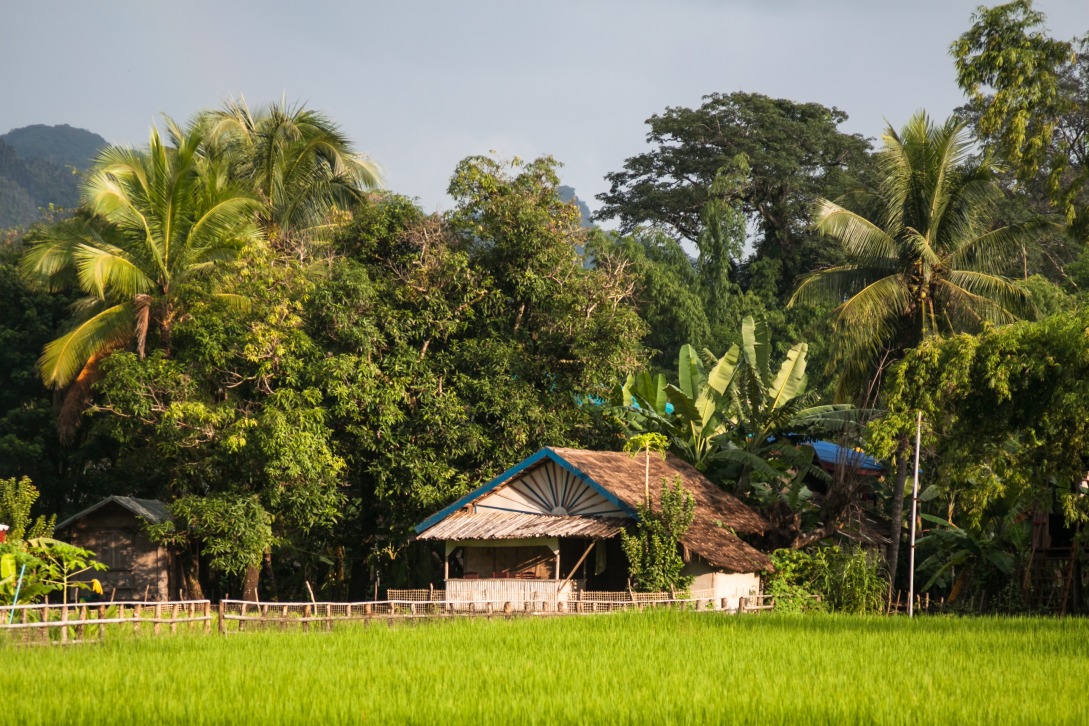
While Paksong is internationally recognized as a coffee-growing center, this considerable reputation has not disrupted the locals' way of life. They live and work far from the hustle of modern civilization. A sense of traditional Laos remains tangible: both in the village and in surrounding hamlets. The communities of Laven, Katu, Ngai, Tahoy, and Alak principally preserve these customs. The Katu village holds particular cultural interest for its palm and thatch houses. These dwellings are arranged in a circle around an elevated hut. This structure serves as the bridal chamber for inhabitants. Visiting this hamlet reveals that these people are devoted practitioners of animal sacrifice ceremonies honoring their village spirit.
The Journey to Paksong
One of the most exhilarating aspects of visiting Paksong is the journey itself. The landscape that unfolds progressively is of remarkable beauty: impressive plantations where charming cultivators labor, countryside animated by trucks, buses and motorcycles, roads lined with small settlements, stalls selling bananas, artisanal products, pineapples and waterfalls, among other treasures.
An Enchanting Village
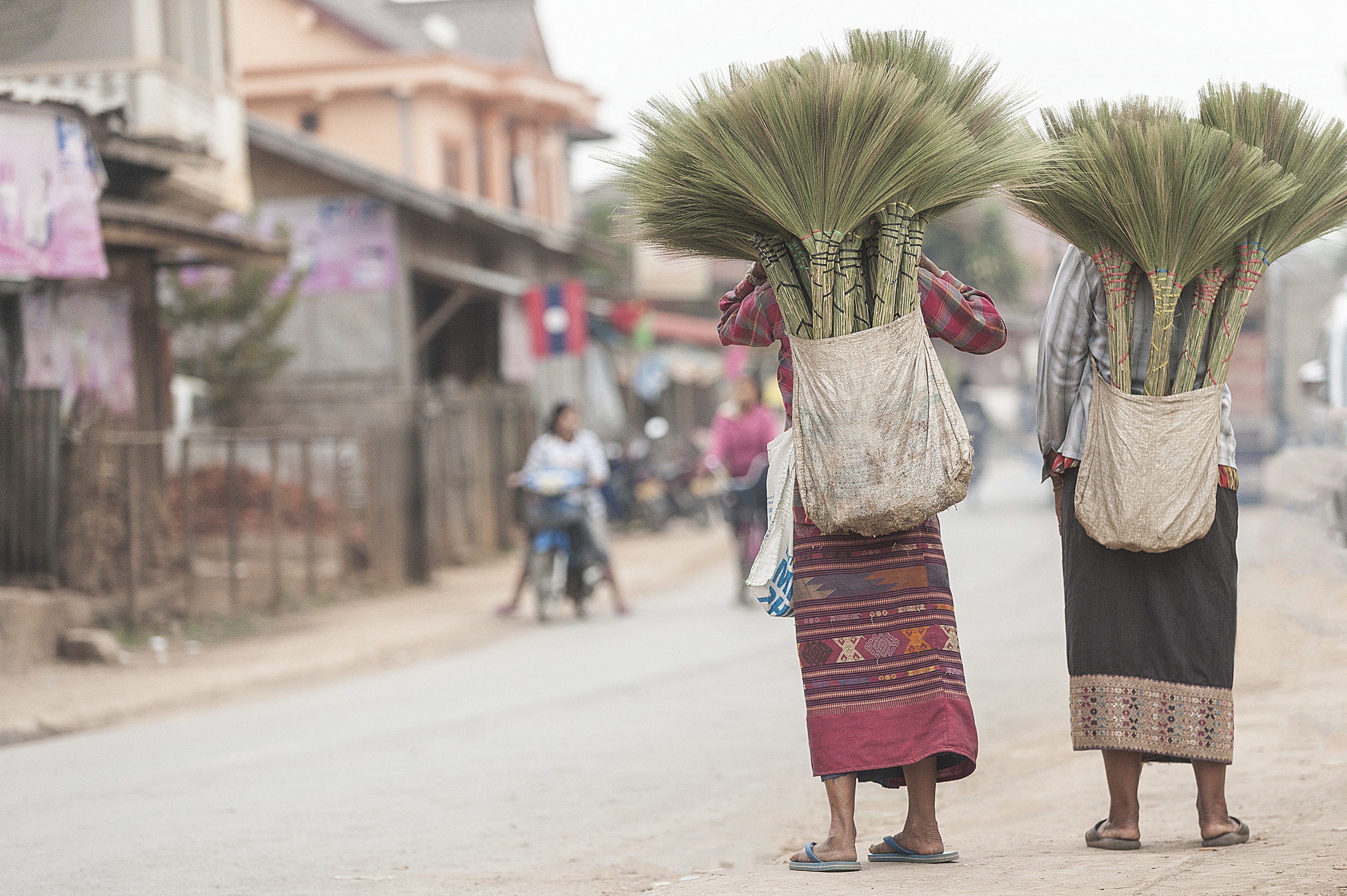
Although the town has lost some charm due to past bombardments, it still possesses intriguing attractions, notably its local market. Located to the left of the main square, it sprawls across a vast area. Here you'll find: food products (vegetables, chicken, fish); typically Laotian dishes (noodles, vegetable bowls, etc.) and a welcoming, friendly atmosphere.
Coffee and Renown
Coffee is the region's primary agricultural export product. The quality of its roasts is incomparable: organic, robust and flavorful. It is hardly surprising that this hamlet earned the title of Laos's finest coffee cradle.
The production of these brown beans fuels the local economy and families. The majority of households work in organic farms and various plantations. Beyond the delicious aromas filling the air, the harvest season captivates with the magnificent sight of crimson berries and arabica drying in the sun. For those curious, arabica harvest season in Paksong runs from November through December, while robusta season spans from late January through February.
Several cooperatives and shops on site promote local coffee. The roaster JHAI Coffee House positions itself as a philanthropist sourcing from JHAI Coffee Farmer and reinvesting profits into hygiene improvements and potable water distribution projects in the area. This shop also wins hearts with its exquisite caffeinated beverages. There's also Won Coffee. Here you can savor the quintessence of organic coffee and delectable kopi luwak.
Waterfalls and the Bolaven Plateau
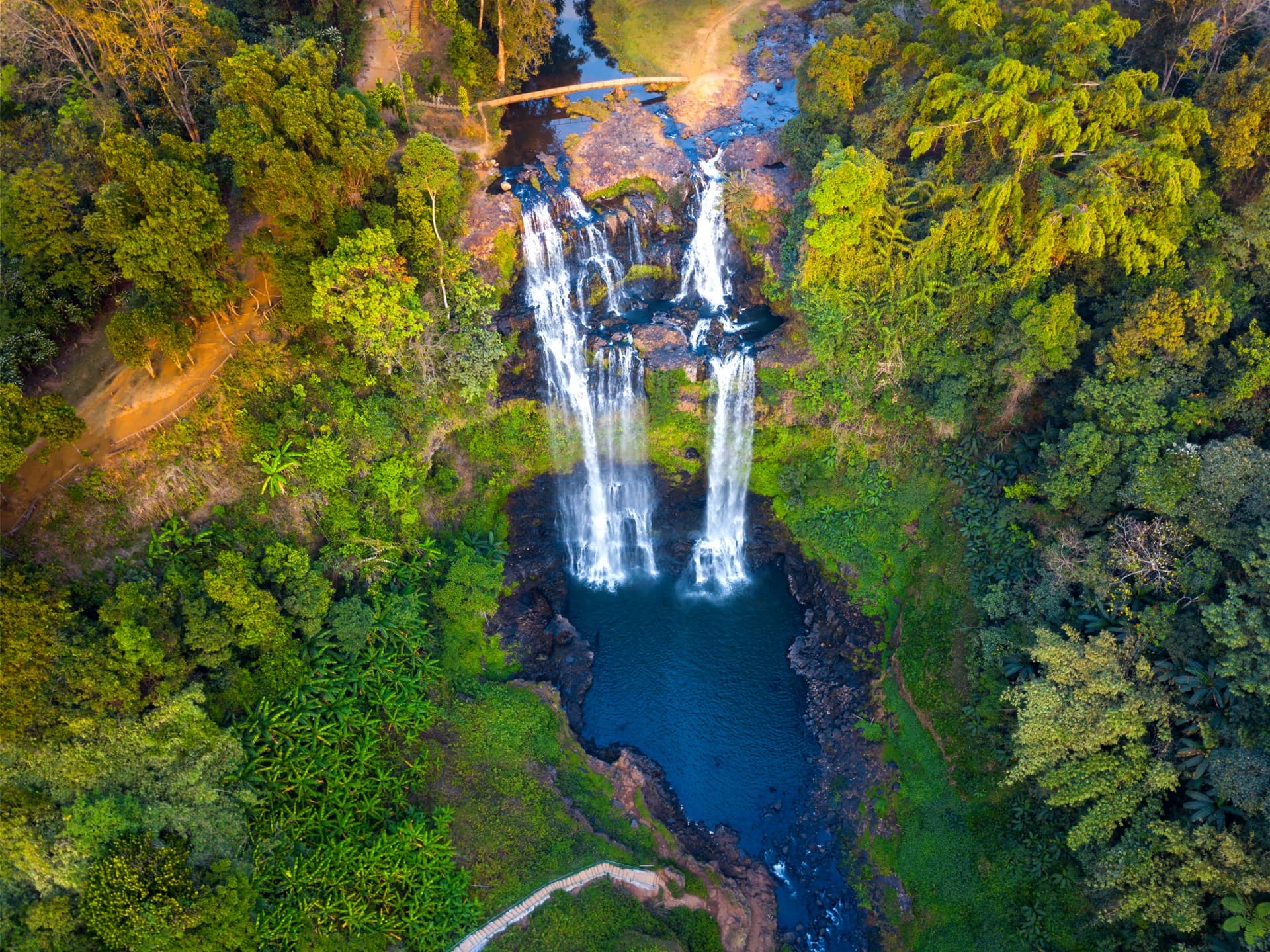
Since Paksong serves as the gateway to the Bolaven Plateau, exploring this verdant zone is a natural choice. Hidden within its humid, cool and luxuriant vegetation lie majestic waterfalls:
- the grand Tat E-Tu cascade with its stairs and 40-meter height
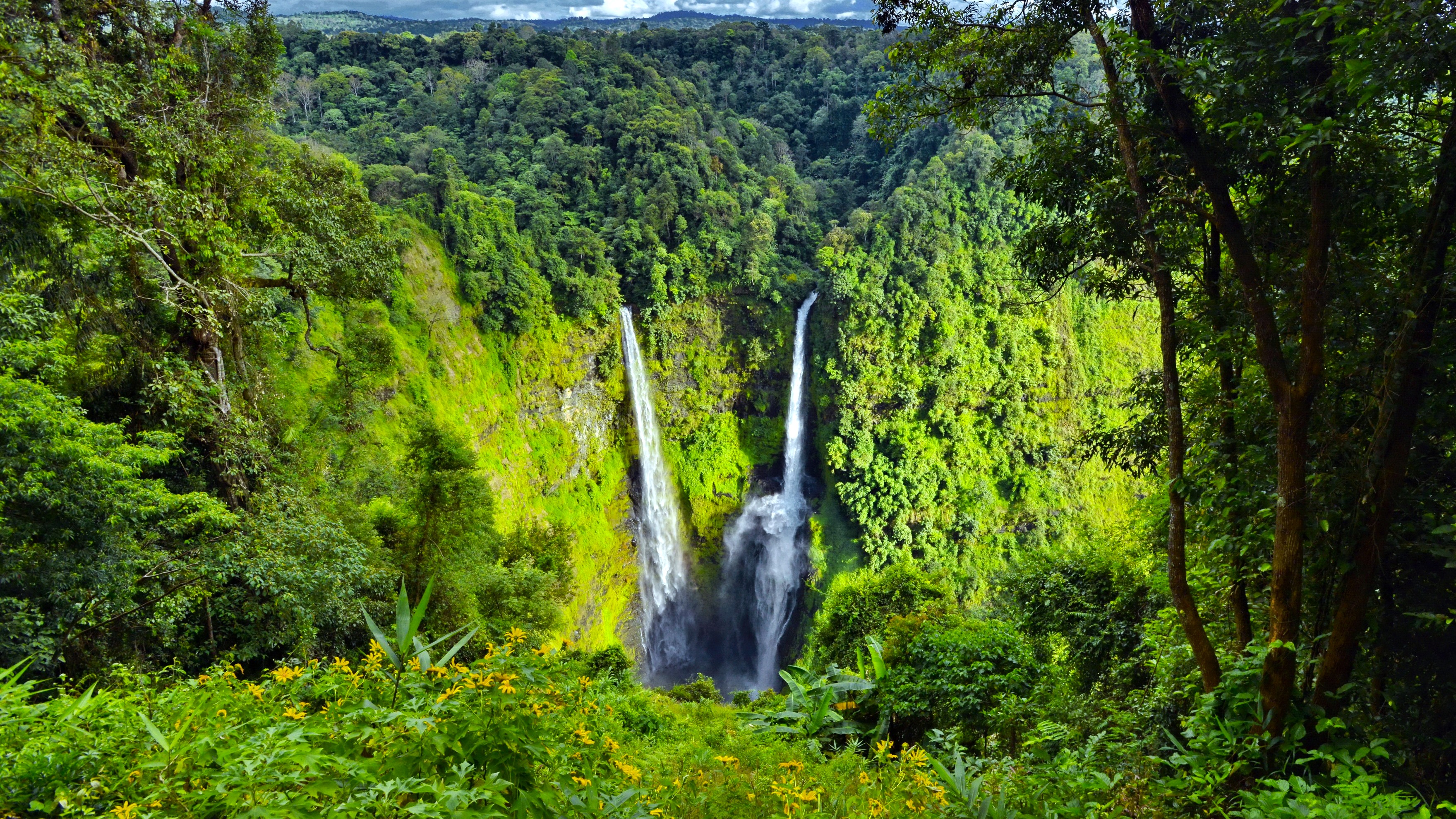
- the celebrated twin streams of Tat Fan with their spectacular plunge exceeding 120 meters
- the cascatelle of Tat Cham Pee nestled in a paradisiacal setting
- Tat Yuang, best viewed from above and below
- the distant and magnificent Tat Katamtok at 160 meters high
Dong Hua Sao National Park
South of Paksong lies Dong Hua Sao NPA (National Park Area). This reserve spans 1,100 km² and encompasses vast virgin jungles. It's ideal for adventure, trekking and hiking. You may observe monkeys, hornbills, butterflies and other extraordinarily rare fauna.
Climate and Geography
On the world map, this village sits in southern Laos. It is the administrative center of its district, located within the Bolaven Plateau area and Champasak Province. By road, it lies one hour from Pakse, three hours from the 4000 Islands and four hours from the Thai city of Ubon Ratchathani. It is also 505 km from Vientiane and perched at 1,300 meters altitude.
The zone where this village nestles exists in a microclimate where temperatures are considerably lower than in other plateau villages. From October onward, the dry season (winter) brings rare rainfall and cold nights (18°C). During December and January, temperatures can drop to 10°C, even 0°C at night. In summer, especially April, temperatures may reach 30°C. Annual precipitation here exceeds that of other Laotian regions.
There is only one way to reach Paksong: by road. The route is perfectly passable. From Pakse, the journey spans 50 km and takes between 1 and 2 hours. A ticket costs approximately 25,000 kips, whether by minibus or standard bus.
As a small hamlet, everything can be explored on foot, especially the market. Those wishing to reach the Bolaven Plateau waterfalls should take a songthaew (shared taxi) or bus toward Pakse from the village. These public transports depart hourly.
The stop is at Tat Fan. Visiting the waterfalls is generally done on foot. Allow 15 minutes of walking to reach the twin cascades from this coffee capital.
Want to discover this destination?
Our local advisors design your tailor-made trip.