Borikhamxay
Borikhamxay
150 km from Vientiane, Bolikhamxai hosts Laos's largest protected area, cascading waterfalls and Khmu villages. Central Laos before it changes.
Borikhamxay remains one of the most captivating provinces of Laos. It is home to magnificent Buddhist temples and, above all, exceptional natural sites. It is the perfect place for an adventure steeped in ecotourism: within its National Protected Areas (NPA) and in the heart of lush, humid jungles. Indeed, it is clear that this vast territory has preserved its verdant nature. It represents a haven for wildlife but above all a corner of paradise for travelers seeking an escape.
History
Behind the province's current charm lies a heavy past. In fact, Borikhamxay suffered from relentless Siamese invasions.
In 1836, the Siamese established their dominion over Laos. And after 1865, echoes of Chinese "Ho" aggression began to trouble Borikhamxay and Xieng Khouang.
After asserting his authority, the Siamese overlord Rama V instigated the establishment of Muong Borikhan with survivors of the Ho invasion in 1874. The governance of this district was entrusted to Kha Luang Nong Khai. By 1911, it comprised 61 villages with 4,000 inhabitants.
It was only during the communist revolution in Laos that "Borikhamxay" was created. Its name derives from a blend of Borikhan meaning "old city of the province," Kham (from the old city of Khamkeuth) and Xay meaning "of the revolution." Its creation resulted from a partial division of Vientiane province and Khammouane. At that time, it comprised only four districts. However, since 2009, it has had seven: Paksane, Thaphabath, Pakkading, Borikhanh, Viengthong, Xaychamphone and Khamkeuth.
Today
Nowadays, Borikhamxay presents itself as a province rich in natural landscape. Many ecotourism activities are available there: trekking, hiking, park visits, river cruises, etc.
The NPAs of the Region
Among the region's gems are its biodiversity conservation areas: Nakai-Nam Theun and Phou Khao Khouay. The Nakai-Nam Theun NPA is known as Laos's largest protected area, spanning 3,700 km². It harbors numerous rare faunal species such as Asian black bears and Asian elephants, clouded leopards, giant muntjacs, tigers, sun bears, and more. It also boasts many hot and cold water springs, hypnotic caves and fabulous waterfalls.
The Phou Pha Mane national park is another charming destination featuring countless rocky peaks and primary forests.
For those wishing to see Asia's famous pachyderms up close, head to the Phou Khao Khouay NPA. They can be spotted around Ban Na village, near the reserve. Observation towers nestled in the trees have been set up to allow tourists to observe them better. Those preferring human experiences can stay in a village homestay and exchange words with their hosts. Alternatively, it is also possible to camp within the protected area. Tents and camping equipment are provided. Along the road to this locality, you can see a salt creek and an elephant watering hole.
Nam Kading is also graced with an NPA. Many wild animal species have found refuge there: gaur, elephants, gibbons, barbets, otters, etc.
The Most Beautiful Natural Landscapes
Other natural sites are also worth considering:
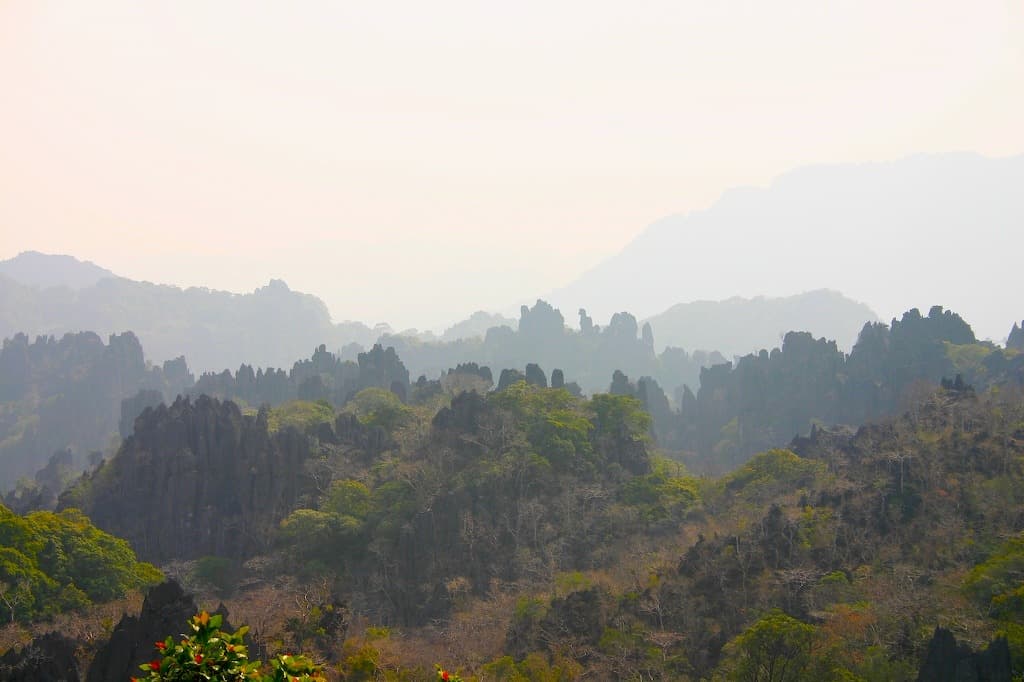
- the limestone karst corridors of Khamkeuth district: believed to be the largest in Southeast Asia
- the Nam Kading river: the ideal current for boat excursions. Slowly, you drift along its waters through the Nam Kading bridge, small makeshift landing spots, some rapids between rocky canyons, the Tad Vang Fong waterfall and perhaps even the protection center.
- the rapids of the Yong river: one interesting option with these rapids is to combine trekking with a night at a local home in the minority village of Ban Yang Kheua. This journey also allows you to enjoy the landscape by tractor, trek along the river, and a quick swim amid short waterfalls.
- the Kaeng Luang rapids: these are the most significant rapids of the Nam Theun river.
- its waterfalls: Tad Leuk with its visitor center and nature trail, Tad Xay with its seven levels, Tad Xang, Tad Yong, Tad Heua Hak and the tale of "the destroyed boat," Tad Nam Pa with the handicrafts from Ban Nampa village, Tad Kaih, Tad Vang Fong
- Its caves: Tham Kaep located in Phou Kout provincial protected zone, Pha Taen in Nong Boua village
The Temples of Borikhamxay
This Lao province boasts multiple Buddhist sanctuaries including:
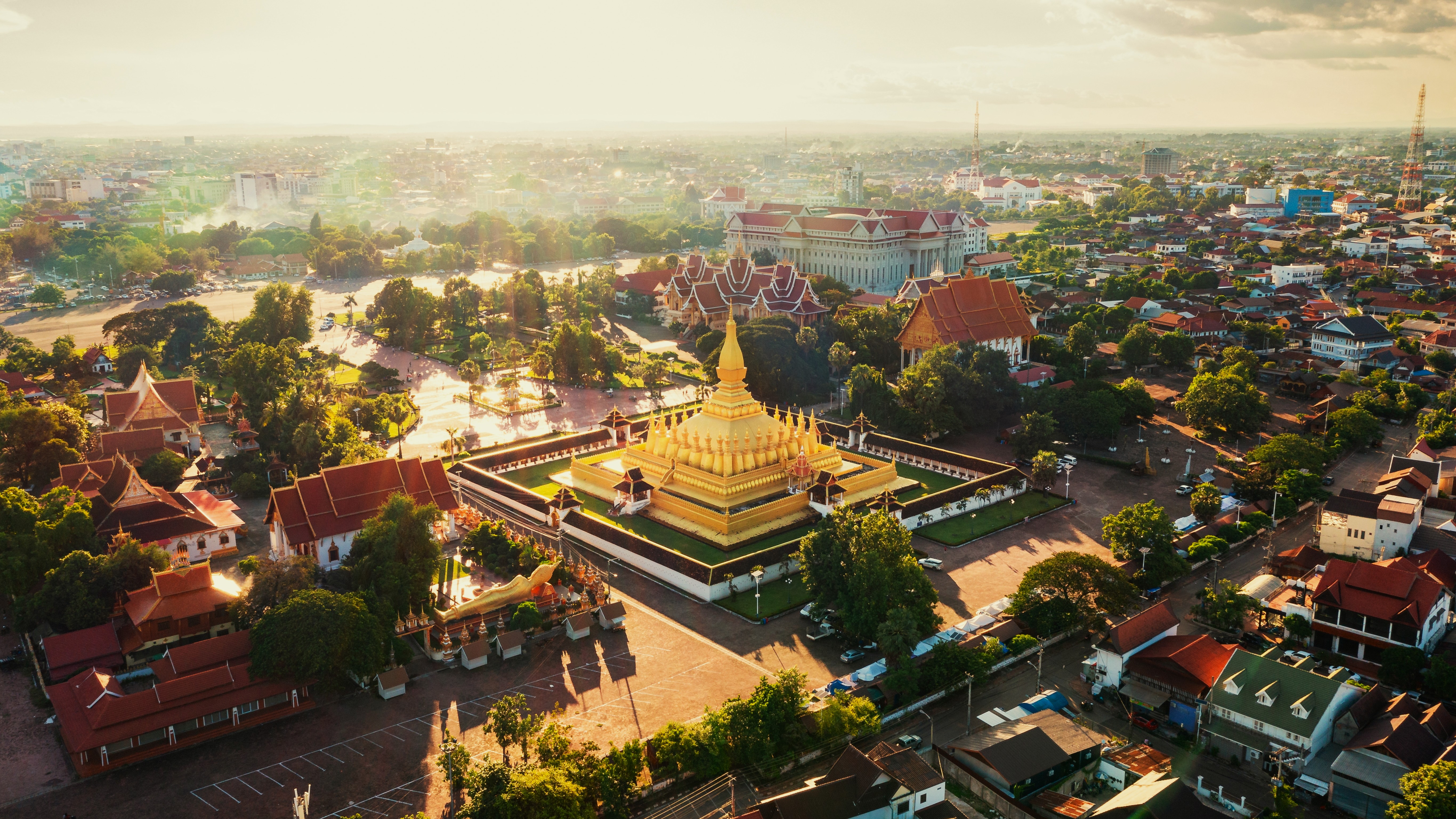
Wat Phabath: one of Laos's most sacred monasteries. It was built around a Buddha footprint measuring 2.4 x 1.2 meters, hence the name Phabath meaning precisely "Buddha's footprint." It is a deeply venerated pilgrimage site for locals and occasional travelers. It is customary for visitors to leave gold leaf to request good fortune for their journey ahead. With a bit of luck, they may witness its annual festival in mid-January.
Wat Phon Sane: this religious building is situated on verdant Mekong Riverside grounds. According to locals, it is where Buddha took his meals. Trekkers visiting in October can witness the Bang Fai Phayanak color festival. These festivities are typically organized on a full moon evening to attract good fortune.
Ban Napong Village
In this hamlet, you'll meet the Toum, a group descended from the Khmu tribes. This village is very popular as a trekking starting point. From here, a 7 km journey leads to the Tad Thone waterfall. The route passes through rice paddies hidden in old forest, water courses, high cliffs and ravines with tricky passages. Three hours of hiking is sufficient to reach the beautiful Tad Thone and its 100-meter drop.
Climate and Geography
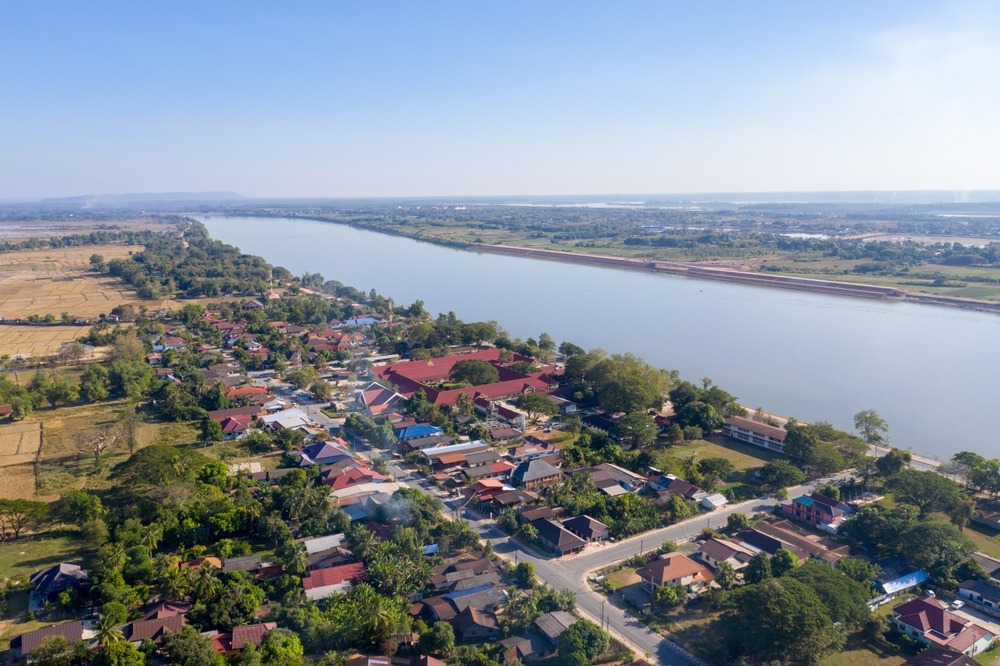
A province of Laos, Borikhamxay (or Bolikhamxai) is located in the country's center. It is bordered to the East by Vietnam and to the West by Thailand, to the northwest by the Lao province of Xieng Khouang, and to the South by Khammouane. Its eastern part is crowned by the Annamite mountain range while its western part is flanked by the great Mekong. The city of Paksane serves as its capital. It is home to the country's largest hydroelectric dam: Nam Theun 2.
Like the entire national territory, Borikhamxay has two distinct seasons: dry and rainy. The province's beauty unfolds according to weather patterns. The notion of the best time to visit is therefore relative to individual needs.
During the monsoon season, from May to October, temperatures can generally reach over 30°C. However, in humid and/or elevated areas, this can drop considerably. Certainly, nature dons its finest green mantle. Ecotourism appears in its best light. Nevertheless, rainy episodes can hinder exploration, even access, to sites.
Between November and April, the weather is more clement: dry and warm. This is the season when tourist flow is at its peak. Travelers prefer these climatic conditions for the absence of precipitation and the spring-like atmosphere that prevails. Furthermore, the region's finest festivals take place in January and February.
By Bus
Taking the bus from Vientiane's southern terminal (behind the morning market), you'll have approximately 3 hours of travel for a distance of 150 km. You have a choice between local, Express and VIP buses:
Songthaews to the provincial capital Paksane depart every half hour. Here, tickets cost between 30,000 and 50,000 kips.
There are also buses linking Vientiane and Lak Xao for 85,000 kips. These are available between 5am and 7am.
At 9am, a bus departs toward Viengthong district.
Other options: catch a minibus to Paksane from Thakhek or Xieng Khouang, as well as from Vietnam via Route 8A.
By Boat
This travel alternative is available from Bungkan in Thailand. Simply take the ferry traveling along the Mekong. To embark and disembark, you'll need to regularize your passport and visa.
Moving from one district to another is feasible with Songthaews. These bench-seated trucks traverse the province's roads throughout the day. They only stop at stations in the morning and late afternoon. Some of their drivers will, upon price negotiation, agree to a private hire.
Circulating through this Lao country with a motorcycle rented in Thakhek is ideal. However, finding scooter or bicycle rental shops in Borikhamxay is nearly impossible.
What to Do?
Inquire about the region's various festivals and perhaps attend them (watermelon festival in Borikhan, rocket festival, boat races, Hmong New Year festival, Phabath festival)
Organize a trekking itinerary based on Ban Napong village
Experience an entirely wild and nature adventure with trekking, hiking and camping within one of its NPAs
Immerse yourself in the slow pace of Laotian life among its ethnic villages and homestays
Meet the Tai Taeng tribe (in Nong Or and Na Pae villages) and witness their dexterity in work and silk weaving
Refresh yourself at one of the region's waterfalls
Delight in the beauty of its karst landscape
Visit its two famous Buddhist temples
Want to discover this destination?
Our local advisors design your tailor-made trip.