Pha Tad Ke Botanical Garden
Pha Tad Ke Botanical Garden
Laos's first botanical garden, Pha Tad Ke sprawls at the foot of the Tad Ke cliff, 2 km from Luang Prabang. Access by boat on the Mekong River.
On the right bank of the Mekong, approximately 2 km from the centre of Luang Prabang, Pha Tad Ke Botanical Garden is Laos's first botanical garden. Designed in 2007 and opened to the public in November 2016, it brings together the country's flora across several hectares of themed gardens, at the foot of the Tad Ke cliff.
Why visit Pha Tad Ke
The site combines three missions: conservation of Lao biodiversity, scientific research, and education. For visitors, this translates into an educational journey through around ten specialized zones, daily workshops (orchids, bamboo craftsmanship), and a hands-on approach to plants used in everyday Lao life: traditional medicine, textiles, food, and construction.
The main access is by boat on the Mekong from Luang Prabang, adding a brief river crossing to the visit. The garden employs over 50 English-speaking Lao staff trained in botany, environmental education, and responsible tourism.
History and creation of the garden
Pha Tad Ke was conceived by Rik Gadella in 2007, following several stays in Luang Prabang. The initial goal was to provide Laos with its first structured botanical garden, building on local cultural heritage and the region's plant wealth. Nearly a decade of preparatory work—plant collection, planting, infrastructure construction, and staff training—preceded the public opening in November 2016.
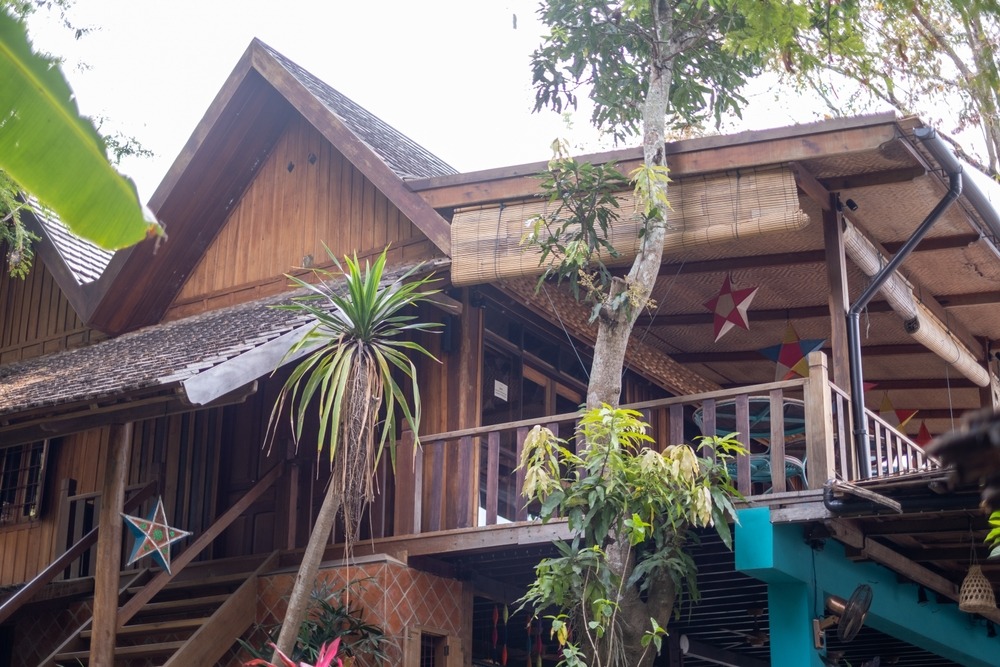
A sala dedicated to cultural events and workshops was built at the historic retreat site of Prince Phetsarat, a major figure in twentieth-century Lao history. This connection gives the garden a dimension that transcends botany alone.
What to see in the themed gardens
The visit is structured around several specialized areas, linked by gravel pathways.
Limestone Habitat (20,000 m²)
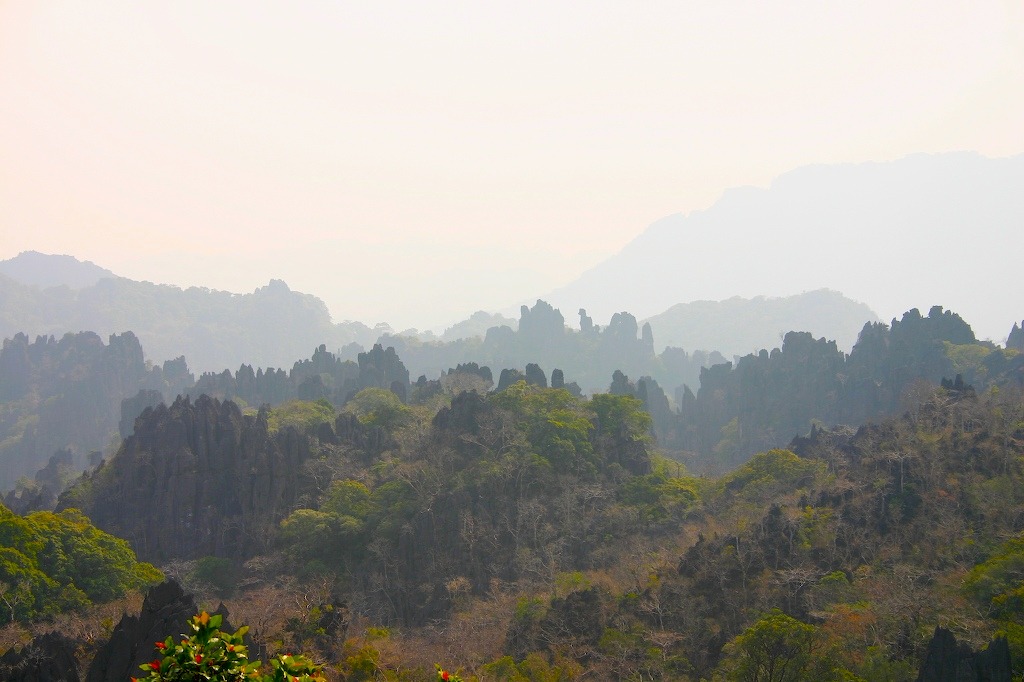
This zone recreates the ecosystem of Laos's karst mountains. Visitors observe cycads and tree ferns, with a pathway running along the cliff base to Pha Tad Ke cave.
Ethnobotanical Garden (3,000 m²)
Medicinal plants, species used for textiles, and poisonous plants are presented with their traditional uses in Lao communities.
Ginger Garden (1,200 m²)
Over 100 ginger species, including edible varieties and several indigenous species from the Luang Prabang region.
Arboretum (25,000 m²)
Over 200 tree species, accompanied by panels on their local uses and natural habitat. This is the garden's largest zone.
Palm Garden (6,000 m²)
About thirty species, including rattan, a characteristic vine of Southeast Asian forests and raw material for regional craftsmanship.
Bamboo Garden (4,000 m²)
About thirty bamboo varieties used in Laos for construction, craftsmanship, and cuisine.
Mist House (300 m²)
A climate-controlled enclosed space housing orchids, ferns, and fragile carnivorous plants difficult to observe in the wild.
Orchid Nursery (500 m²)
Over 260 orchid species and approximately 150 fern species. An orchid introduction is offered twice daily.
Permaculture Farm (2,000 m²)
Demonstration of sustainable agricultural methods adapted to the tropical climate, with a research component.
Pha Tad Ke Cave
Located at the foot of the mountain, it houses a Buddha and is reached by a short hike from the gardens. The round trip takes about 1 hour 30 minutes and offers chances to observe limestone species such as certain rock orchids.
Practical information
The garden is open for self-guided visits, typically during daylight hours. The entrance shop offers Lao textiles, herbal teas, honey, soaps, and books. A café overlooking a pond serves food and beverages on-site.
- Moderate entrance fee for adults, free for children under 12 (verify current rates before visiting).
- Included in the ticket: orchid introduction (morning and afternoon), bamboo craftsmanship workshop at Pavillon Baci Sala, herbal tea tasting.
- Accessibility: gravel pathways, café, and reception without difficulty; a car transfer can be arranged in place of the boat if stairs pose problems.
When to visit
The garden is open year-round except Wednesdays (weekly closure) and one week in April during Lao New Year (Pi Mai) and traditional boat races. The dry season, November to March, offers the most comfortable conditions: moderate temperatures, no rain, and easy navigation on the Mekong. The rainy season (June-September) makes vegetation denser and orchids more floriferous, but river crossing may be disrupted by water levels.
How to get there
Main access is by boat from the garden's landing dock in Luang Prabang, on the opposite bank. The Mekong crossing takes about ten minutes and is part of the experience. A shuttle is typically provided by the garden according to set schedules.
If taking the boat is impossible (reduced mobility, navigation conditions), road access by car can be arranged on request, crossing via a downstream bridge.
What to see nearby
The garden combines easily with other regional sites:
- Ethnology and Traditional Arts Center (TAEC): to further explore Lao cultures.
- Mekong Eden Farm: another agro-ecological project on the river banks.
- Nam Ou River: tributary of the Mekong, accessible from Luang Prabang for a boat excursion.
- Gibbon Experience: immersion in primary forest in northern Laos.
Frequently asked questions
Frequently asked questions
Incorporating Pha Tad Ke into your journey
Pha Tad Ke complements a two to three day stay in Luang Prabang well, alongside temples, markets, and Mekong excursions. To plan a bespoke itinerary including the region and northern Laos, consult our Laos journeys.
Nearby
Interested in this visit?
We can include it in your personalised itinerary.