Pak Ou Caves
Pak Ou Caves
Located 25 km from Luang Prabang, Pak Ou Caves shelter thousands of gilded wooden Buddhas within two limestone cavities overlooking the Mekong.
The Pak Ou Caves lie approximately 25 km north of Luang Prabang, at the point where the Nam Ou river meets the Mekong. Carved into a limestone cliff overlooking the river, they shelter several thousand Buddha statues deposited over centuries by Laotian devotees. The site comprises two main cavities — Tham Ting, the lower cave visible from the water, and Tham Phum, higher and deeper — accessible only by the Mekong.
Why visit Pak Ou Caves
The site's appeal lies in the convergence of three elements: a natural landscape marked by the confluence of the Mekong and Nam Ou, an active religious function, and an unusual collection of statuary. The walls and altars accumulate approximately 4,000 gilded wooden Buddha figurines, deposited by families, monks, and pilgrims across multiple generations.
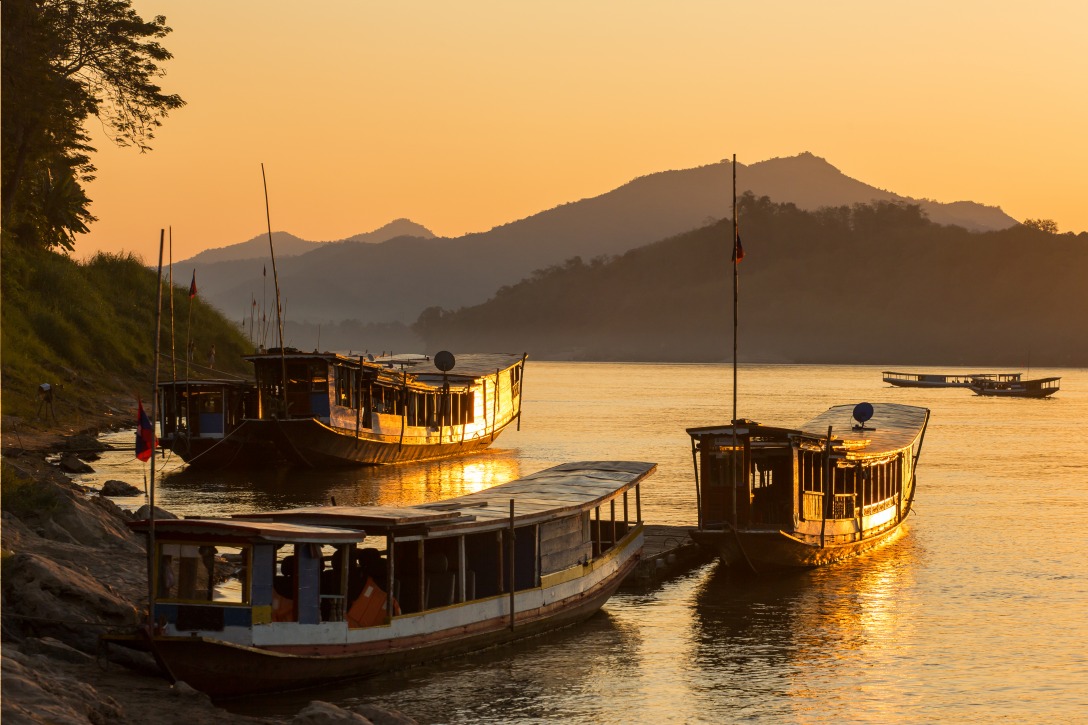
The journey itself is part of the experience. The boat crossing from Luang Prabang hugs sparsely populated banks, fishing villages, and karst formations. The caves themselves remain an active place of worship, particularly around Lao New Year, which distinguishes Pak Ou from a mere archaeological site.
History and Religious Significance
The caves are believed to have served as a hermitage before being converted into a Buddhist sanctuary, likely centuries ago. Precise dating remains uncertain, but the site is documented as a place of worship since at least the Lan Xang kingdom period.
The Buddha statues are carved from wood and covered with gold leaf or gilded lacquer. They adopt classical theravāda iconographic postures: meditation, teaching, rain-calling, peace gesture, and inclination evoking passage to nirvana. The faithful deposit here old family statues that have become cumbersome or damaged, rather than destroying them—a practice still common today.
An archaeological survey was conducted in 1996 by an Australian team. Thefts of statuettes have been reported in subsequent years, and several ancient effigies have been stolen, complicating precise evaluation of the original collection.
What to See On Site
Tham Ting, the Lower Cave
Nicknamed the "stalactite cave," Tham Ting opens directly onto the Mekong and is visible from the boat. It is the more accessible of the two: a stone staircase connects the landing to the entrance. Natural light penetrates the cavity extensively, making exploration possible without a torch. It contains over 2,500 miniature Buddhas, arranged on shelves carved into the rock or placed in natural recesses.
Tham Phum, the Upper Cave
Tham Phum, also called Tham Prakachay, sits approximately 60 meters above river level. A longer staircase leads there, through vegetation. The cavity extends about fifty meters inward and requires a torch: daylight stops quickly after the entrance, marked by a teak wooden carved door. Inside, you'll find approximately 1,500 statues, several meditation altars, partially faded murals, and an ancient carved wooden bridge.
The Pi Mai Ritual
During Lao New Year (Pi Mai, mid-April), residents from Luang Prabang and surrounding villages come in numbers to deposit new statues, sprinkle the existing Buddhas with sacred water, and make wishes for the year ahead. This is when the site fully reclaims its religious function, but also experiences peak visitation.
Practical Information
The caves are open daily during daylight hours, from morning through late afternoon. A modest entrance fee is collected on arrival, payable in kip on site. Plan for:
- A headlamp or torch for Tham Phum (rental available at the entrance for a nominal fee);
- Closed, flat-soled shoes: the steps are steep and sometimes damp;
- Water, a hat, and sunscreen for the boat journey, which offers little shade;
- Small change for the entrance ticket and any landing fees.
Allow 1 to 1.5 hours on site to visit both cavities without rushing.
When to Visit
The dry season, from November to March, offers the best conditions for Mekong navigation: calm waters, clear skies, manageable temperatures. From April to June, heat rises and crowds swell around Pi Mai. The rainy season (July to September) swells the river and increases current strength; boats still operate, but riverbanks may be muddy.
To avoid crowds, depart early in the morning or mid-afternoon, outside peak tour group hours.
How to Get There
By Boat from Luang Prabang
This is the most popular and most suitable option. Motorized longboats depart from the landing opposite Wat Xieng Thong temple in the old town. The Mekong journey upstream takes approximately 1.5 hours outbound, versus 45 minutes on return thanks to the current. You can book a seat on a shared boat or charter a private vessel—rates are negotiable on the dock and vary by time and season.
By Tuk-tuk Then Ferry
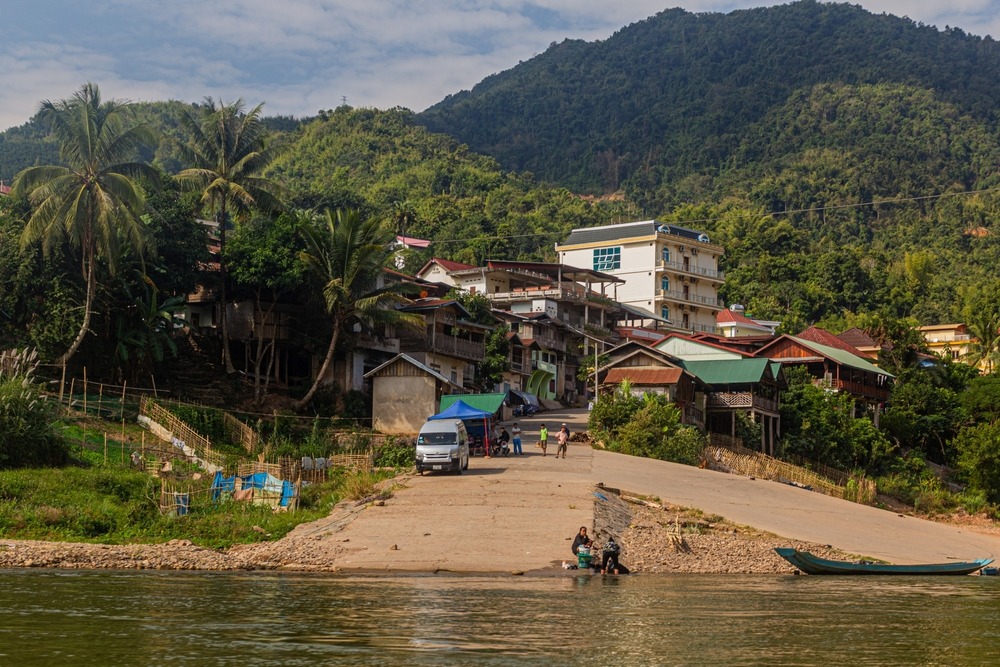
A road reaches the village facing the caves on the opposite Mekong bank. Plan approximately 1 hour by tuk-tuk from Luang Prabang, then a short crossing in a local longboat. This option is less scenic but faster during the rainy season.
What to Combine Nearby
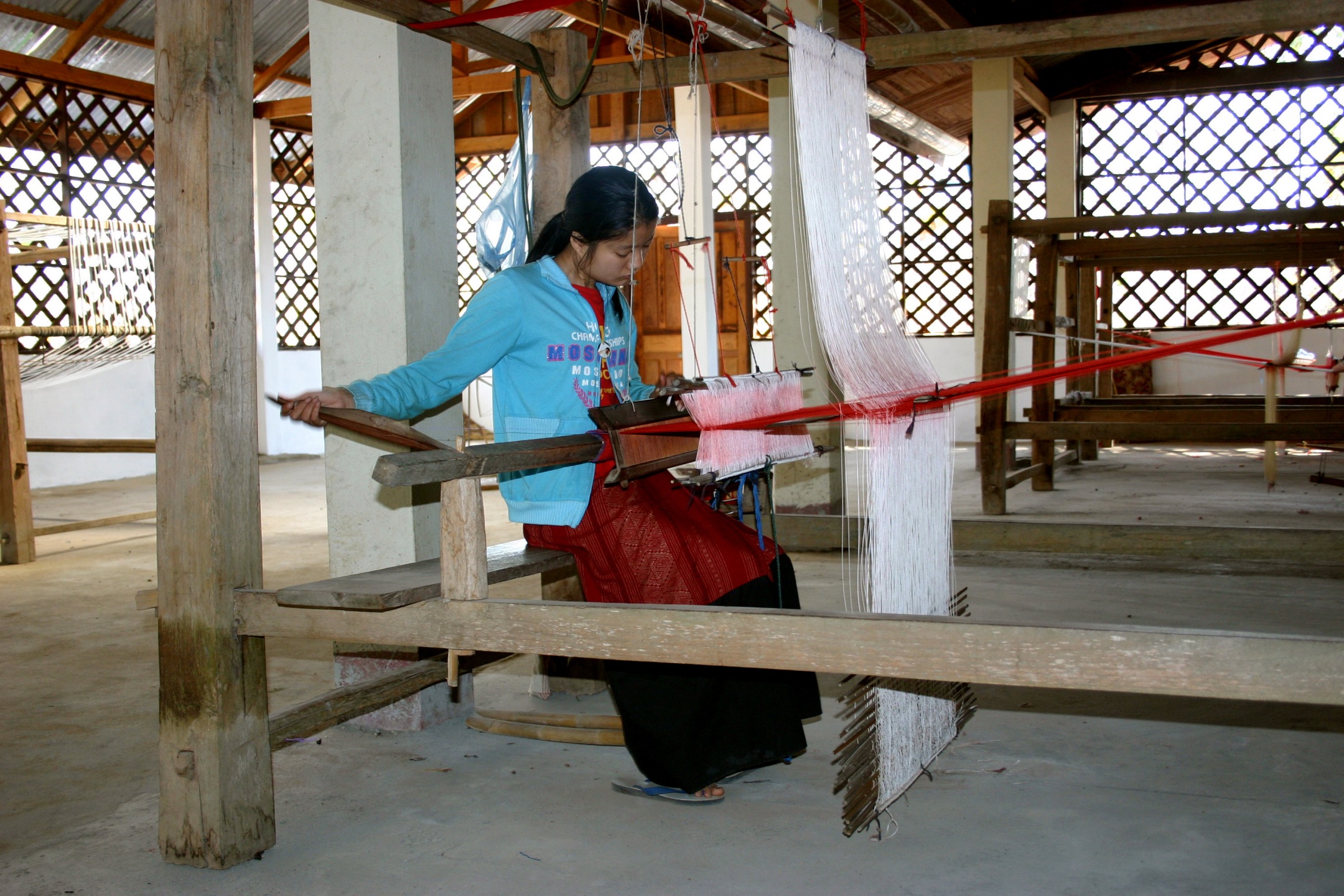
Most boat excursions include a stop at the Whisky Village (Ban Xang Hai), where residents distill lao-lao, local rice alcohol, and weave silk scarves. The stop typically lasts about thirty minutes.
Back in Luang Prabang, extend your day with a visit to the night market or a stroll along the Nam Ou, whose karst landscapes lend themselves to longer excursions northward.
Frequently Asked Questions
Frequently asked questions
A half-day trip from Luang Prabang, accounting for approximately 1.5 hours of boat travel outbound, 1 hour on site, and 45 minutes on return. With a Whisky Village stop, plan for 4 to 5 hours total.
Yes, for Tham Phum, the upper cave, which extends deep into the rock. Tham Ting, better lit by openings onto the river, can be explored without artificial light. A torch rental is available at the entrance.
Difficult. Access to both cavities involves steep stone staircases, sometimes narrow, without railings. Boarding and disembarking from the boat also require some agility.
Yes. The site is open for independent exploration. An English-speaking guide, however, provides useful insight into Buddhist iconography and the site's history, particularly for Tham Phum.
The dry season, from November to March, for navigation and light. Pi Mai (mid-April) offers a strong religious experience but significant crowds.
Including Pak Ou in Your Itinerary
Pak Ou Caves fit naturally into a stay in Luang Prabang and more broadly into an itinerary through the north of the country, between the Mekong, Nam Ou, and mountain villages. To build a custom trip including this excursion, consult our Laos travel suggestions.
Nearby
Interested in this visit?
We can include it in your personalised itinerary.