Tak Bat (Alms-Giving Ceremony with Buddhist Monks)
Tak Bat (Alms-Giving Ceremony with Buddhist Monks)
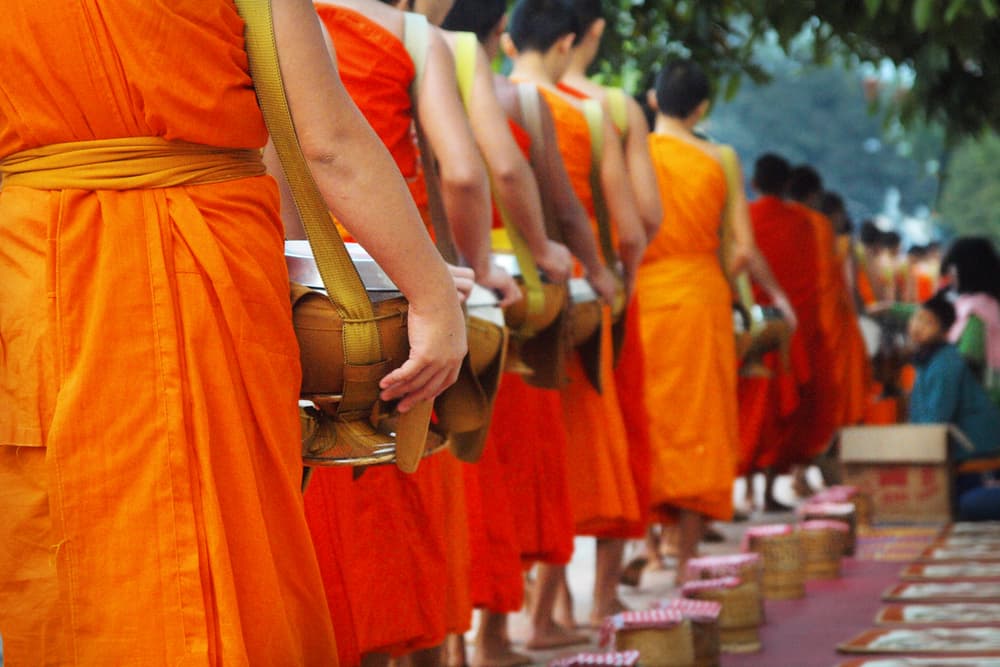
Each dawn, dozens of saffron-robed monks process silently through the streets of Luang Prabang to receive alms of sticky rice from devoted laypeople. Tak Bat is a living Buddhist ritual, to be observed with discretion and reverence.
Each dawn, dozens of saffron-robed monks process silently through the streets of Luang Prabang to receive alms of sticky rice from devoted laypeople. This daily ritual, known as Tak Bat (or sai bat), has structured the spiritual life of this city for centuries. It is not a performance: this is a living act of devotion, which visitors may witness provided they respect strict protocols.
Practical Information at a Glance
- Timing: at dawn, typically between 5:30 and 6:30 a.m. depending on the season — arrive before sunrise
- Location: the main procession runs along Sakkaline Street and the banks of the Mekong, in the historic centre
- Admission: free for observers
- Recommended duration: 30 to 45 minutes of observation
- Dress code: shoulders and knees covered, silent behaviour required
- Cameras: flash strictly forbidden; maintain respectful distance
What to Expect
The procession brings together monks of all ages — novices as young as a few years old alongside elders — who walk barefoot, their black lacquered alms bowls held open. Kneeling laypeople place balls of sticky rice, sometimes bananas or rice cakes, into the bowls. Some monks redistribute a portion of the alms to poor children positioned at the end of the procession. The raking dawn light, the saffron robes, and the silence of the sleeping city create an atmosphere that is truly rare.
History and Context
Tak Bat is a practice of Theravada Buddhism, the dominant school in Laos. Monks do not cook: they depend entirely on daily alms for sustenance. In return, they offer spiritual merit and prayers to their donors. In Luang Prabang, the former royal capital and UNESCO World Heritage site, this tradition dates back to the founding of the city's first monasteries in the 14th century. It continues without interruption to this day.
Highlights of the Experience
The Procession on Sakkaline Street
This is the main thoroughfare of Tak Bat. Several columns of monks from different temples converge here. The length of the procession varies by day: on Buddhist holidays, it may draw several hundred monks.
Novices from Neighbouring Temples
Young novices — sometimes only six or seven years old — participate on equal footing with ordained monks. Their presence reflects that monastery entry remains a common path for rural Lao families, who view it as both education and spiritual merit.
Local Devotees
Observing the alms-givers is as instructive as witnessing the procession itself. Elderly women, shopkeepers, and entire families kneel on woven mats. Some prepare their offerings from 4 a.m. onwards. It is this daily, unassuming, and sincere gesture that gives Tak Bat its profound depth.
Etiquette and Rules of Conduct
- Distance: remain several metres from the procession; do not reach toward the monks or their bowls.
- Flash and bright lights: strictly forbidden — they disturb meditation and dazzle the monks.
- Silence: no loud conversation, no phone calls.
- Intrusive selfies: avoid positioning yourself in front of the monks to photograph yourself with them.
- Alms: if you wish to participate, purchase sticky rice from established local vendors (not from tourist resellers who offer inappropriate alms such as mass-produced sweets).
- Dress: shoulders and knees covered, shoes easy to remove if you choose to kneel.
Photography Tips
Light is low at this hour: prioritize a bright lens (f/1.8 or f/2.8) and increase ISO rather than using flash. Position yourself to the side of the street, never facing the procession. Reflections on the lacquered bowls and saffron robes in the morning mist offer the finest compositions. Avoid intrusive zooming on the monks' faces.
Location and Access
Tak Bat unfolds in the historic peninsula of Luang Prabang, principally along Sakkaline Street and adjacent lanes leading to temples. Most central accommodations are within a ten-minute walk. No specific transport is required. The temples Wat Xieng Thong and Wat Mai are typical starting points for the processions.
Nearby Attractions
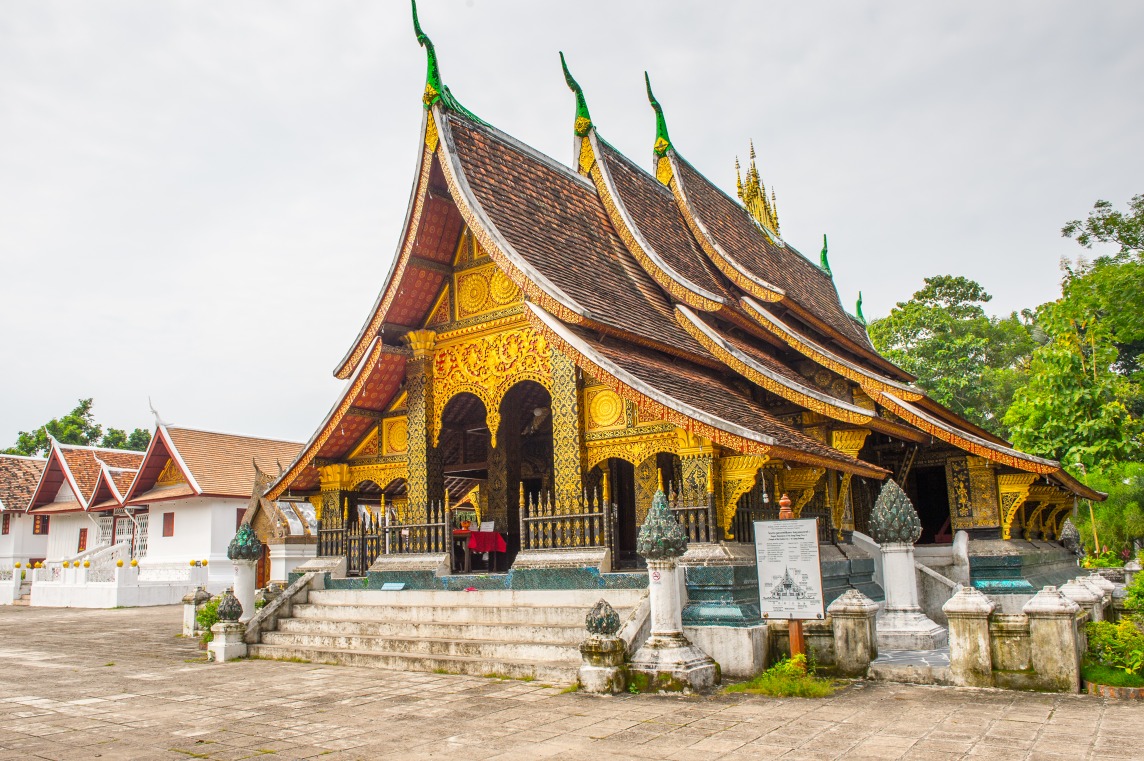
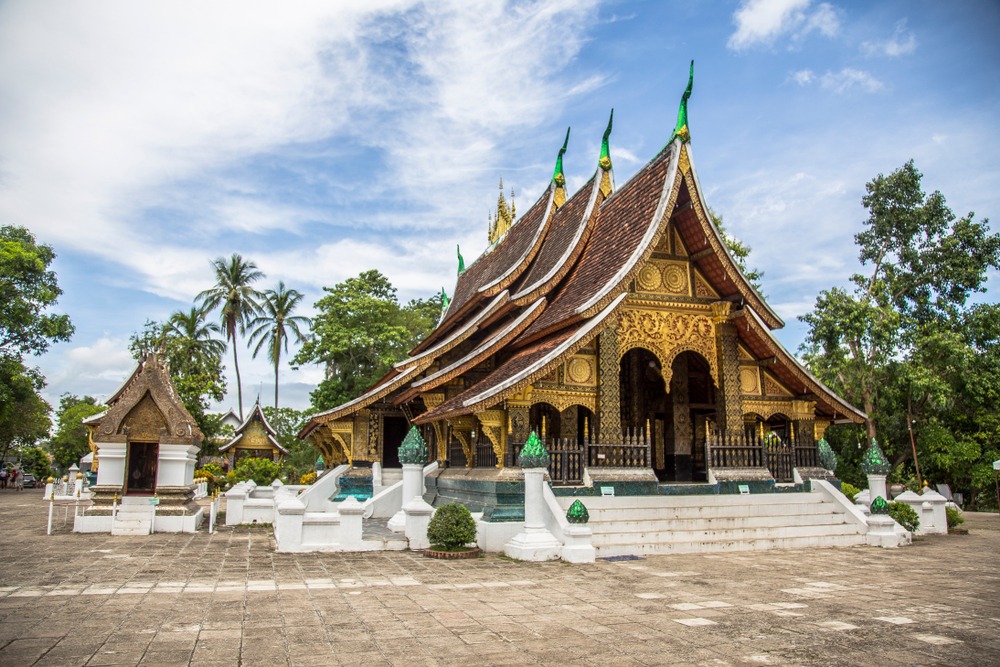
- Wat Xieng Thong — the 16th-century royal temple, one of the finest examples of Buddhist architecture in Laos.
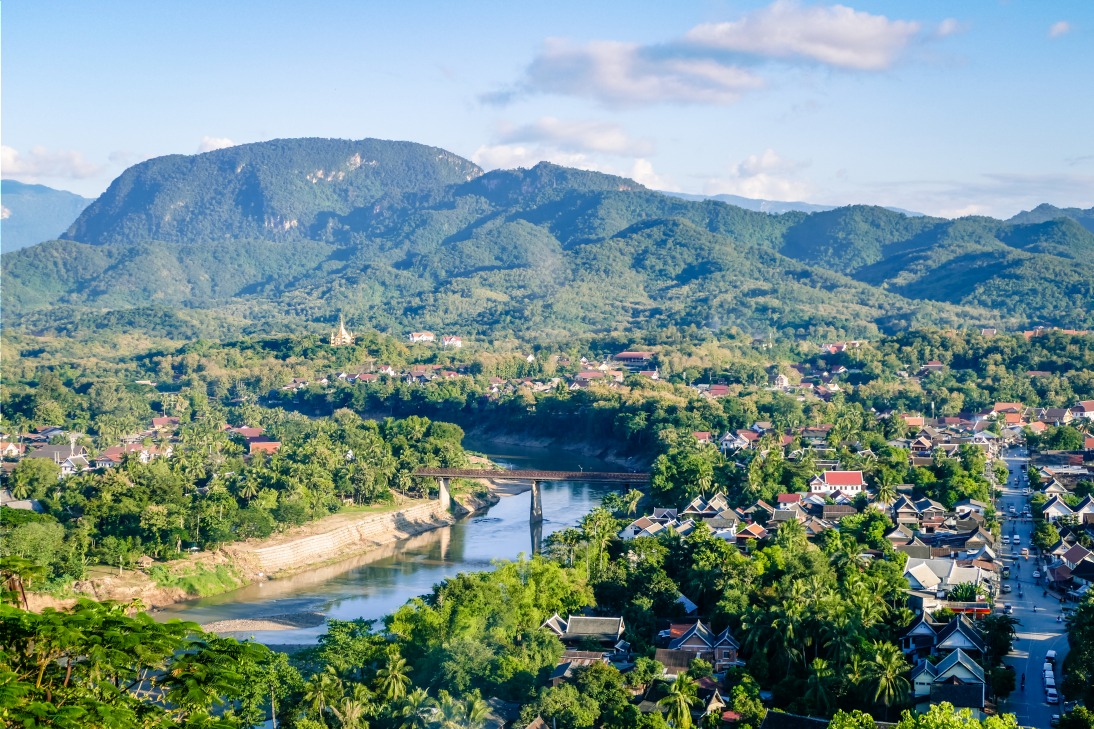
- Mount Phou Si — the central hill of Luang Prabang, ideal for watching the sunrise after Tak Bat.
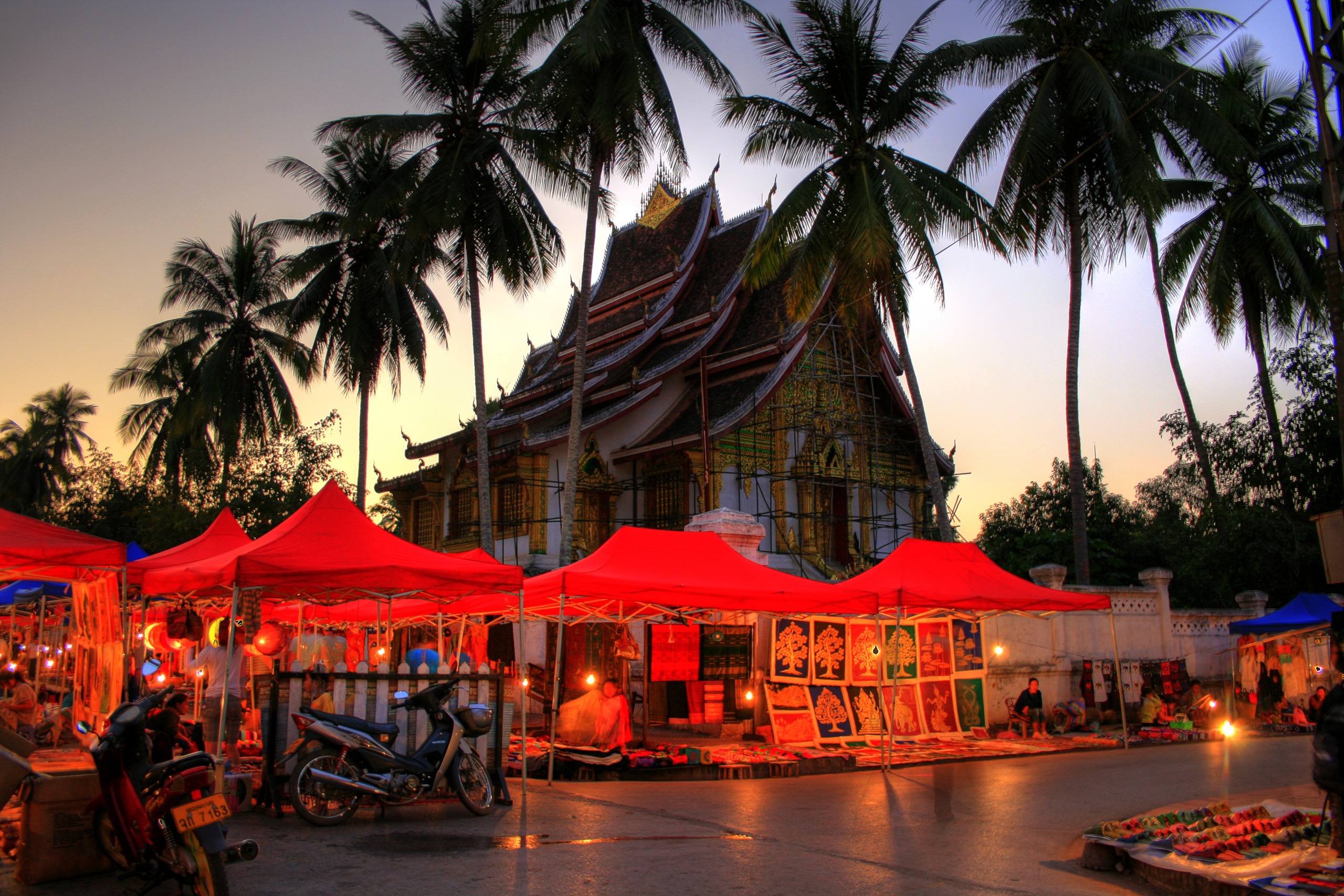
- Night Market — Hmong and Lao handicrafts, a few minutes on foot.
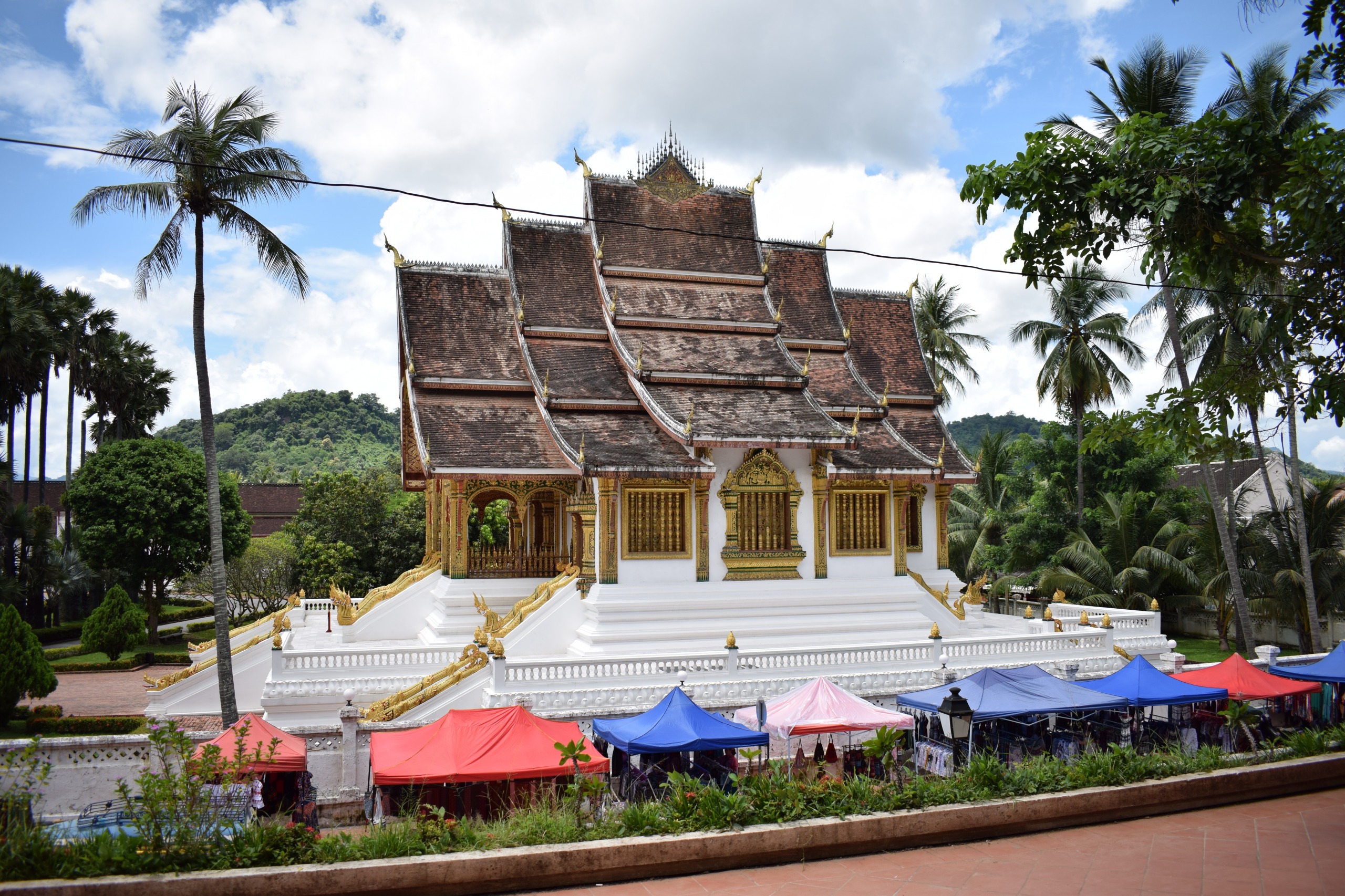
- National Museum (former Royal Palace) — royal collections and history of the Lao monarchy.
Nearby
Give it a go!
Our local experts arrange this activity for you.