Practical information Laos
This section brings together the practical information you need before traveling to Laos, verified and updated by Lay and our team based in Vientiane. Visas are obtained on arrival at Vientiane Wattay, Luang Prabang, or Pakse airports for 30 to 42 dollars depending on nationality, or online via the official e-visa system seven days before departure. Health-wise, no vaccinations are mandatory except yellow fever if you're coming from an endemic area, but we recommend staying up to date on hepatitis A and B, typhoid, Japanese encephalitis for extended rural stays, and antimalarial prophylaxis for southern border areas and the Bolaven Plateau during wet season. Budget-wise, expect between 60 and 110 euros per day per person on a circuit with English-speaking driver-guide, comfortable accommodation, and meals included. The currency is the Laotian kip, approximately 22,000 kips to one euro at end of 2024, with the dollar accepted in major cities. Distances are measured in hours rather than kilometers: the winding mountain roads in the North mean 8 hours to travel from Vientiane to Luang Prabang by bus, or 1 hour by domestic flight with Lao Airlines. The slow boat remains an authentic mode of transport on the Mekong. Laos is one of the safest countries in Southeast Asia, with very low crime, but some precautions are necessary in UXO zones, unexploded ordnance left over from the war, around Xieng Khouang and the Ho Chi Minh Trail.
Plan your trip by theme
Explore our practical guides organized by category to quickly find the information you need.

Before You Go
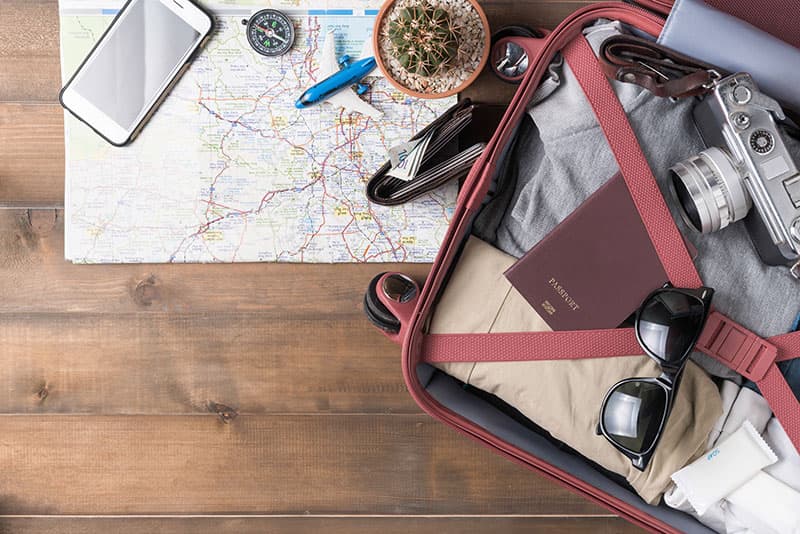
Visa on arrival or e-visa, passport valid for 6 months, recommended vaccinations, travel insurance and formalities to arrange before Laos.
4 articles
Budget Money
Laotian kip, exchange rate around 22,000 kips per euro, budget 60 to 110 euros per day, cards accepted in cities, tipping is customary.

Climate & Season
Dry season from November to February, hot from March to May, monsoon from June to October, temperatures vary according to altitude and region.
1 article
Transports
Lao Airlines domestic flights, winding mountain roads, private minibuses, slow boat on the Mekong, distances measured in hours rather than kilometers.
2 articles
Culture
Theravada Buddhism, respect for monks and temples, sabaidee as a greeting, modest dress at religious sites, slow pace to embrace.

Useful Tips
Bottled water, 230V electricity with European outlets, reliable 4G connection in cities, UXO zones to be aware of, health advice from our team.
All practical guides
Search and filter among 7 articles



7 of 7 results
Frequently asked questions
The answers to the most frequently asked questions from our travellers.
Yes, a visa is mandatory for all French, Belgian, Swiss and Canadian travellers. You have two options. The visa on arrival can be obtained directly at the international airports in Vientiane, Luang Prabang and Pakse, as well as at the main land border crossings. Plan for $30 for French nationals, $35 for Belgian and Swiss nationals, $42 for Canadian nationals, payable in cash, plus two passport photos. It is valid for 30 days. The e-visa can be obtained on the official website laoevisa.gov.la at least seven days before departure, at a similar cost. Your passport must be valid for at least 6 months after your entry date and have two blank pages. Extension is possible on site in Vientiane.
No vaccination is mandatory to enter Laos, except yellow fever if you arrive from a country where the disease is circulating. We recommend being up to date on DTP, hepatitis A and B, typhoid and measles. For extended rural stays or during the rainy season, Japanese encephalitis and rabies may be advised. Malaria remains present in the southern border provinces, the Bolovens Plateau and certain northern areas during the wet season. Prophylaxis is recommended for these regions and should be discussed with your doctor or an international vaccination center. Dengue also circulates, so anti-mosquito protection is recommended year-round.
Excluding international flights, expect between 60 and 110 euros per day per person for an organized tour with an English-speaking driver-guide, accommodation in a charming hotel or comfortable guesthouse, breakfasts and most meals, land transport and visits. An independent trip without a guide can go down to 35-50 euros per day. Some concrete benchmarks: a local meal at the market costs 30,000 to 50,000 kips, or 1.50 to 2.50 euros, a Laotian coffee 15,000 kips, a night in a guesthouse 15 to 25 euros, in a boutique hotel 60 to 120 euros. Lao Airlines domestic flights are around 100 euros per segment.
The dry season, from November to February, is the most pleasant period, with daytime temperatures of 20 to 28°C, cool nights in the North and on the Bolovens where they can drop to 10°C in December-January. From March to May, heat rises to 38°C in the plains and agricultural burning generates smoke that reduces visibility, especially in the North in March-April. The monsoon from June to October brings rain to the country but remains passable: rainfall mainly in late afternoon, lush landscapes, flooded rice paddies, waterfalls at peak flow. September-October offers a good compromise between greenery and mild weather.
Distances are short on the map but long in travel hours due to the terrain. Three main options. Domestic flights with Lao Airlines connect Vientiane, Luang Prabang and Pakse in 1 hour, around 100 euros per segment, convenient for saving time. Road travel remains the dominant mode, with private minibuses and driver-guides: expect 8 to 10 hours between Vientiane and Luang Prabang, 4 hours from Luang Prabang to Nong Khiaw. The new Vientiane-Boten railway line opened in 2021 brings Luang Prabang within 2 hours of the capital. Finally, slow boat travel on the Mekong, a travel experience in itself, from Huay Xai to Luang Prabang in two days.
Yes, Laos is one of the safest countries in Southeast Asia. Crime against foreigners remains very rare and the population is welcoming. Basic precautions are sufficient: be mindful of personal belongings on buses and at markets, pay attention to chaotic city traffic, be cautious on rented scooters where accidents are the leading cause of tourist incidents. The main real risk concerns UXO, unexploded ordnance left from American bombing campaigns between 1964 and 1973, in the provinces of Xieng Khouang around the Plain of Jars, Houaphan, Savannakhet and along the former Ho Chi Minh Trail. Stay on marked trails and always follow the guidance of your local guide.
Ready to travel to in Laos?
Discover our tailor-made itineraries, designed by our local team. Each route adapts to your pace, your preferences and your travel season.
See our toursWe use cookies to improve your experience and measure our site's audience. You can choose what you accept. Learn more.