Pakbeng
Pakbeng
A river stopover on the Mekong between Huay Xai and Luang Prabang, Pakbeng offers you Khamu villages, elephants and sunset views over the river.
While Luang Prabang captivates with its monuments and temples, Pakbeng wins hearts through the natural beauty surrounding it and its countryside charm. Setting course for this small town means surrendering to its rustic appeal and the character of its neighboring villages. As a river port, it stands out particularly for its tourism activity sustained by guesthouses, hotels and restaurants. Yet it holds several sites worthy of exploration.
Today
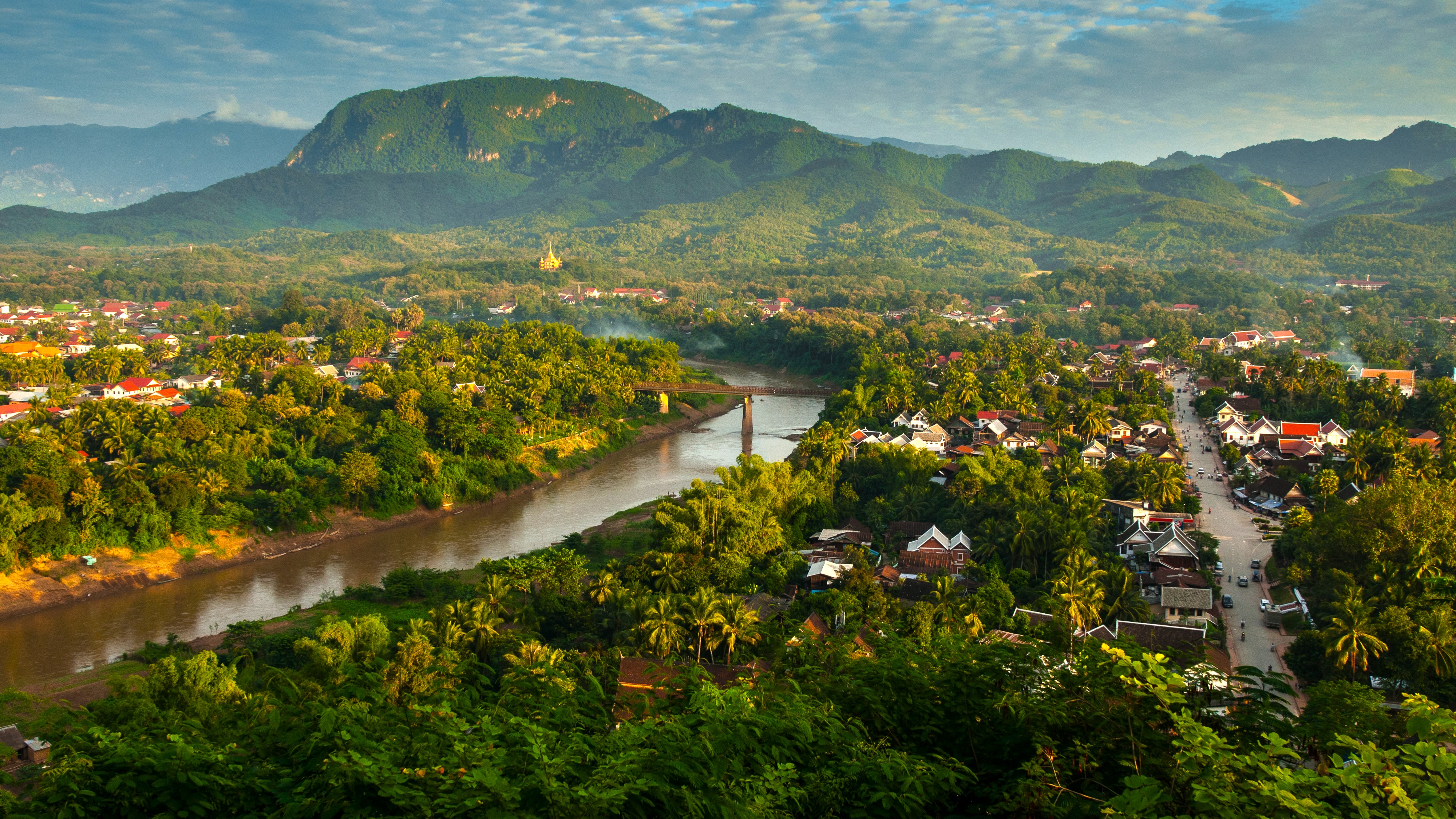
This Laotian settlement of a few thousand inhabitants sits perched on the banks of the Mekong River. Located in the northwestern part of the country—midway between Chang Khong (the northeastern Thai border) and the city of Luang Prabang, at the confluence of the Mekong River and the Beng River.
During the Laotian civil war, the town served as the southern terminus of Route 46 from China's Yunnan province. Today, its roads lead northward to Oudomxay and southward to Sayaboury. The town center consists of two main streets, with one stretching several kilometers. Numerous guesthouses and dining establishments line these thoroughfares.
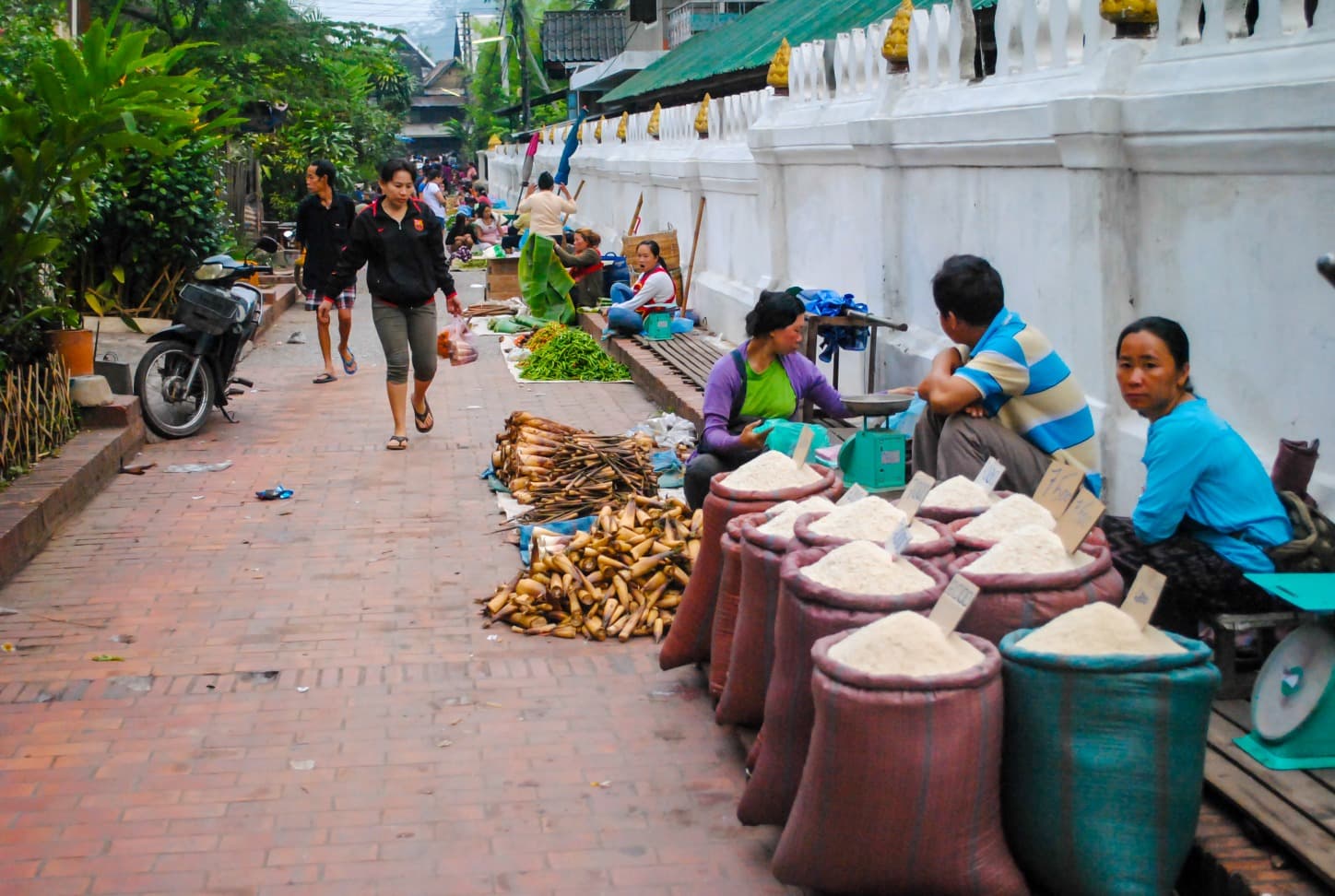
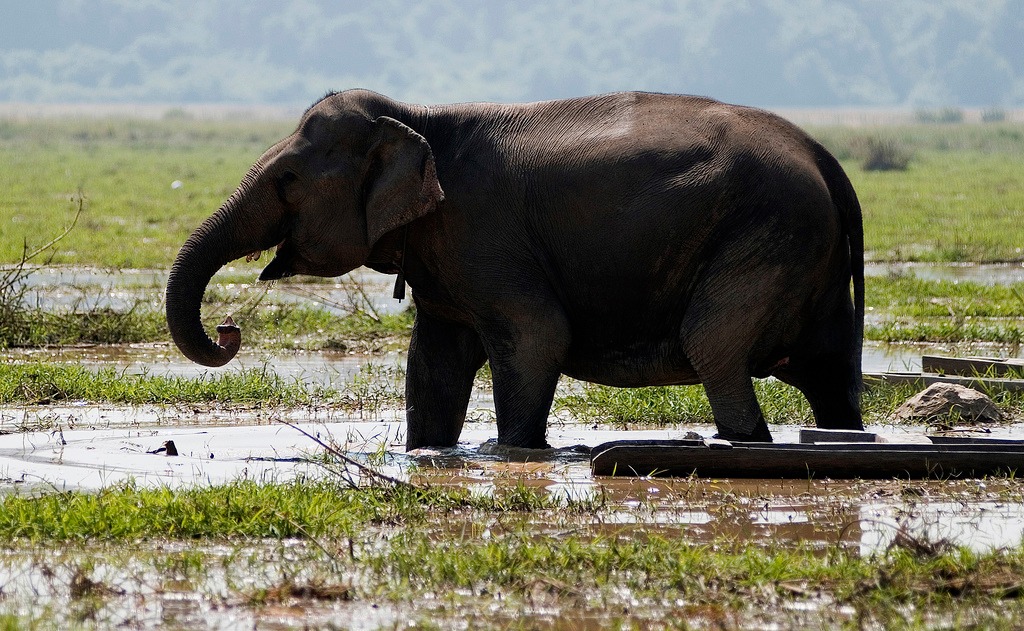
It's true that a stop in Pakbeng primarily serves to refresh and spend a night's rest before continuing your journey the next day. Nevertheless, certain local attractions merit lingering a while longer: its Khamu villages, its elephant camp, two small Wats (temples), its morning market and countryside atmosphere.
Tourism and Guesthouses
Pakbeng remains a tourist destination and a stopover point for the leisurely ferries making the crossing of the Mekong River. Given that a journey between Huay Xai and the "Pearl of Laos" aboard these boats takes two days, an overnight stay becomes necessary. A constraint that benefits the local economy.
Indeed, this circumstance has equipped the town with multiple hotels and restaurants of varying standards. There are luxury guesthouses that are almost always full. There are also those with minimal comfort for around 4 dollars a night, accessible to any traveler.
Meeting the Khamu People
Around the outskirts of Pakbeng are several villages of ethnic minorities, including those of the Khamu. Considered the original Laotians, they belong to one of the three major ethnic groups of Laos: the Lao Theung (Lao of the plateaus).
Visiting these villages offers a unique human experience: witnessing the great hospitality of this people, their modest living standards but above all their remarkable joy of living against all odds.
The Region's Natural Wealth
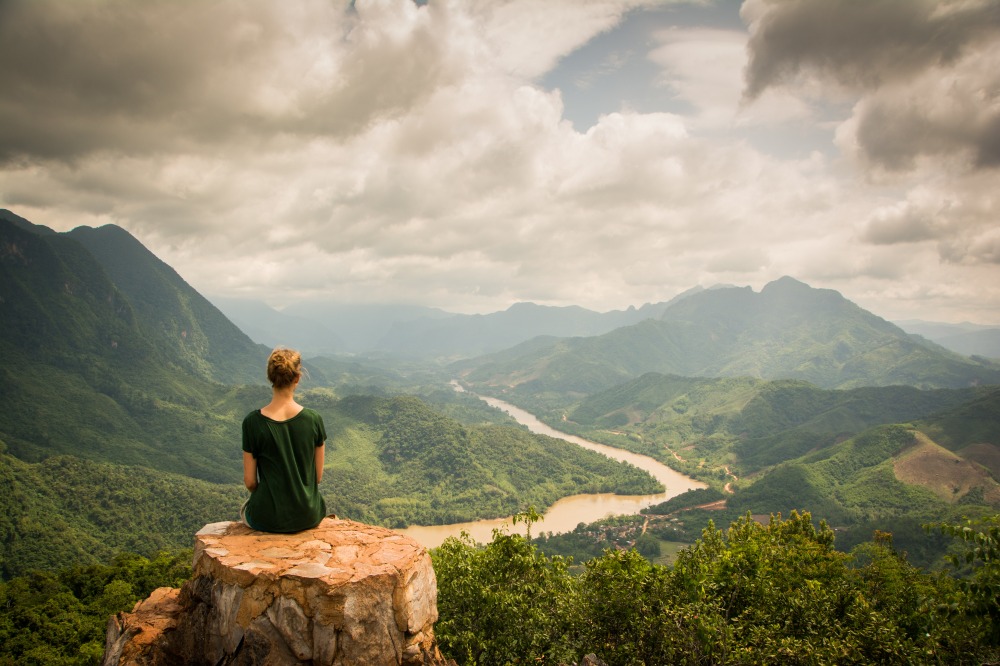
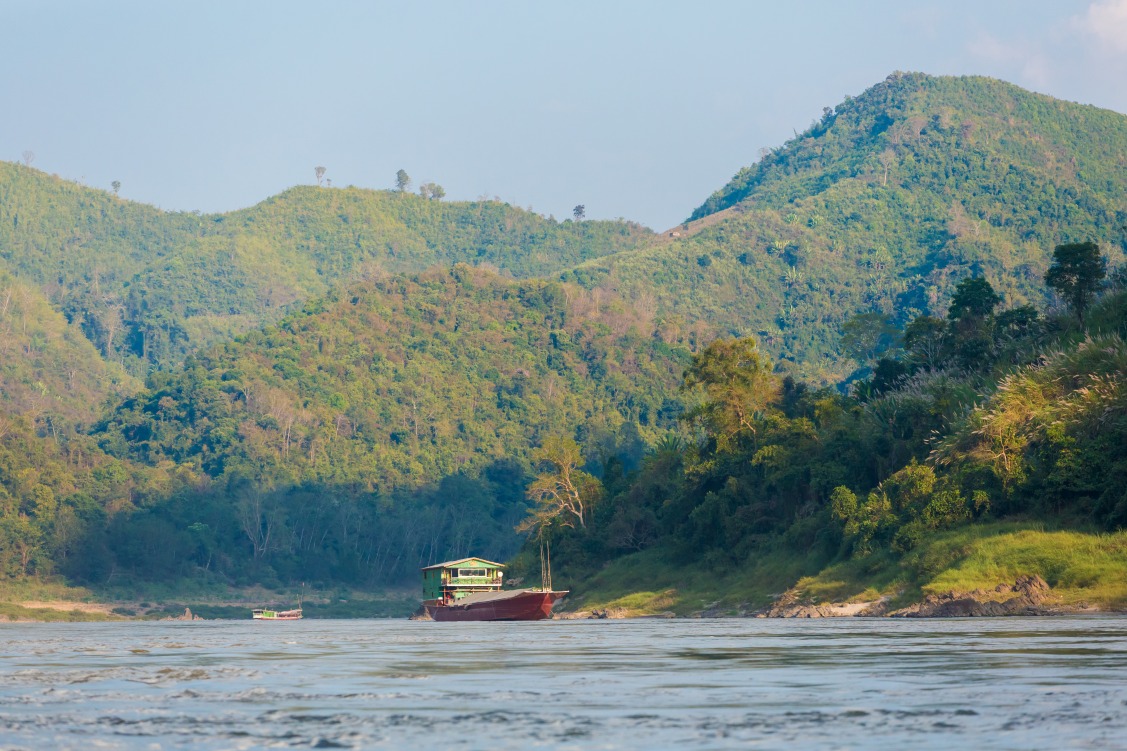
Opinions vary and interests are mixed when choosing between 3 hours by bus or speedboat versus 9 hours by slow boat. However you arrive, it's worthwhile to make the most of your passage. The landscape beauty is exceptional: a magnificent deep valley; dense forest bordering the mountains; a vigorous Mekong dotted with boulders, rapids and sandbars; villages with stilt houses; buffalo herds; fishermen; villagers cooling off in the river; and even gold seekers.
Once there, Pakbeng reveals itself as a true haven of peace. Venturing into its primary forest, you encounter precious timber species and multi-century-old trees.
The Surviving Wats
Pakbeng once housed several Buddhist sanctuaries. But during conflicts with the Thai kingdom some 300 years ago, many were destroyed. Today, this river port is home to only two:
- Wat Khok Koh
- Wat Sin Jong Jeang
Before You Arrive
Pakbeng is a remote region in many respects. Therefore, it's essential to prepare well before arriving.
Bring a flashlight
Despite having a power plant, power outages are common in town. A flashlight will prove extremely useful.
Stay clear of drug dealers
Since this town nestles in the heart of the Golden Triangle (a global drug production zone), tourists often become targets for dealers. They approach foreigners to offer cannabis, opium, amphetamines, cocaine. And purchasing such substances means risking trouble with local authorities.
Check your currency
Three types of currency circulate in Pakbeng: kip, US dollars and baht. There are no ATMs, banks or exchange windows. This freedom demands alertness regarding exchange rates offered by locals. Also, make it a habit to always verify your change: to ensure the amount is correct and that bills received are neither too old nor torn.
Crossing the Mekong River works equally well downstream or upstream. For boat journeys, two alternatives are available:
Slow boat option:
This option naturally takes longer. You board early morning and should expect 8 to 10 hours before reaching the town. On average, you arrive in Pakbeng around 5 pm. However, this slowness is offset by good comfort standards, the privilege of enjoying the scenery and stops at riverside villages. A cargo-laden vessel can accommodate a maximum of 80 passengers.
Speed boat option:
The drawback with this option is the discomfort during travel (even with only 8 passengers), the engine noise and rough bouncing on waves. Its advantage lies in arriving early (3 hours of travel), giving you more accommodation choices.
Another way to reach Pakbeng: by bus.
From Oudomxay, the journey on Route 2 takes approximately 1.5 hours, though roads are generally challenging to navigate.
What to Do?
· Stroll along the main street and visit the morning market
· Trek through a hillside village around Pakbeng
· Meet the Khamu people
· Stock up on food for your second day of boat travel
· Enjoy a drink or beer in the bars along the main street
· Try the local "lao-lao bong" experience
· Taste local noodle bowls and visit sausage and sticky rice stalls
· Purchase a Hmong or Thai souvenir: textiles and handicrafts
· Relax at the traditional sauna and massage center
Want to discover this destination?
Our local advisors design your tailor-made trip.