Houei Sai
Houei Sai
Far more than a simple stopover before the slow boat to Luang Prabang, Houei Sai reveals the ethnic richness of Bokeo, Fort Carnot, and the jungle of gibbons.
Most travelers view Houei Sai as merely a transit point toward Laos's most popular destinations. Yet this town has far more to offer than its ferry terminals or bus stations suggest. Some of its appeal lies in its proximity to the mighty Mekong River. But its greatest treasures remain its ethnic and Laotian traditions, its curious villages, and its relaxed atmosphere.
Today
Houei Sai is often dismissed as a stopover town—too quiet and too small. Yet it is precisely this smallness and tranquility that form the foundation of its charm and appeal.
As the perfect place to rest and recharge, it invites lingering and unwinding. Sipping a Beerlao on the banks of the Mekong is among its most tempting options. Discovering the way of life of its residents offers genuine escape and cultural immersion.
Exploring this town means visiting its rustic villages and the surroundings of Fort Carnot. It also means understanding the importance of Buddhism in Laos's past and present through its magnificent temples. And finally, it means witnessing firsthand its wild, grand, and untamed nature.
Fort Carnot
Perched atop its hilltop, the French Fort Carnot overlooks the town. This former military fortress was built around 1900, during the era when Laos joined French Indochina. A handful of French officers and roughly thirty Lao and Vietnamese soldiers were stationed here. Following Laos's independence in 1954, the Royal Lao Army and the Lao Army took control of the compound.
Although this building is considered one of Laos's best-preserved military relics, much of its infrastructure has crumbled. Its walls and floors are overrun with centuries-old trees. It currently stands in ruins despite some restoration efforts in 2011. Beyond its dilapidated state and ghost stories, the fort holds limited appeal. Nevertheless, you can enjoy the climb and the breathtaking panorama of Houei Sai, the Mekong River, and a portion of Thailand.
Its Distinctive Villages
Numerous charming hamlets deserve a detour from Houei Sai. Some are accessible only by songthaew and require a prior visit to the phuunyai baan or village chief.
Ban Nam Cham or the Lanten Village
The sole Lanten ethnic village in Bokeo, Ban Nam Cham is a place where traditional handicrafts—particularly cotton work—thrive (weaving, embroidery, and natural textile dyeing). Hand-made products are sold here: traditional women's vests, Lanten costumes, and more.
Ban Nam Sang
Less than 20 kilometers from the city center lies the authentic village of Ban Nam Sang. This secluded locale is home to the rare Lao Huay ethnic group. Lao traditions are presented here in their purest form. A visit to this part of Laos discourages bringing gifts or objects from outside their civilization.
Ban KhaoPun
This small village stands out for its production of rice vermicelli, or kanomjeen. One local delicacy worth trying: a dish of kanomjeen served with phlaraa (fermented fish sauce). A guaranteed culinary experience!
Ban Tom Lao
Famous for its rice paddies and home-made spirits, Ban Tom Lao means "alcohol from Tom Lao." Its renowned local moonshine is highly appreciated but remains illegal in many countries. Generally, this alcohol-producing village offers brews averaging 40% fermentation: Sa Tor, Kasae, and others.
Ban Yong Hin
Mobile wooden houses are abundant here. These ingenious structures are the creation of the Tai Lue, an ethnic group of Laos. They build their dwellings by anchoring stakes into stone, a system that protects against termites and moisture.
Ban Nam Keung Kao
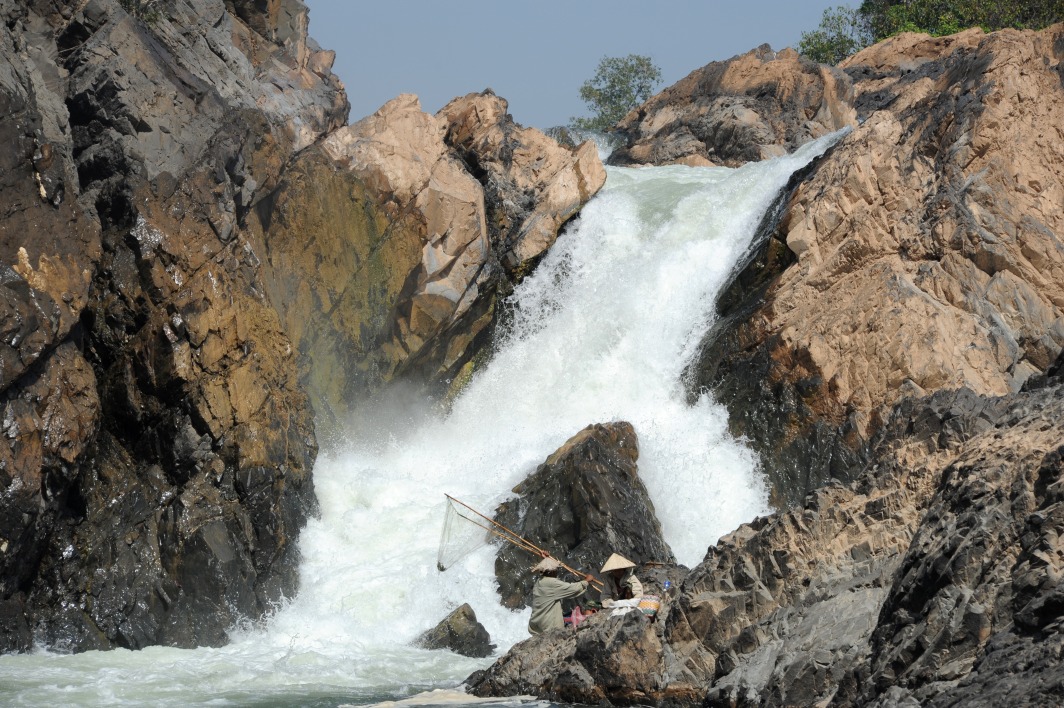
This remote corner of Houei Sai is accessible only by boat. The locals speak neither English nor French. A visit to this village will require the services of a translator. The main reason to come here is to reach the Nam Yong waterfall, which cascades from a height of 20 meters.
Wat Chom Khao Manirat Temple
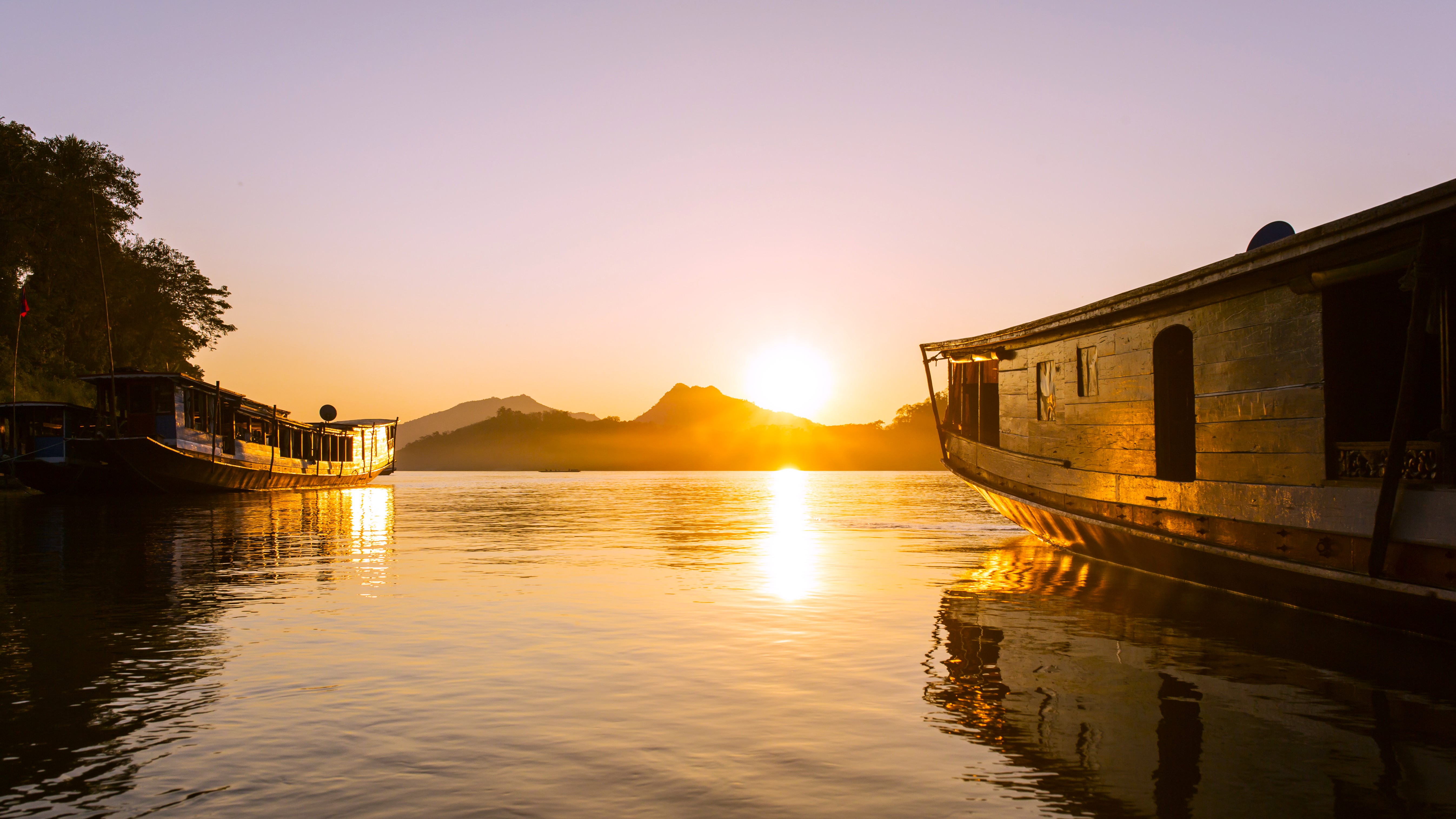
This charming pagoda sits atop a picturesque hillside in central Houei Sai, just minutes from the ferry terminal. You'll find stunning views of Laos's great river and stunning sunsets, captivating vibrant murals, a spirit house (a gift from a former Chiang Kong prince in 1458), and a few monkeys. This sacred site features antique design with teak buildings and Shan architecture.
Nam Nyon Waterfall
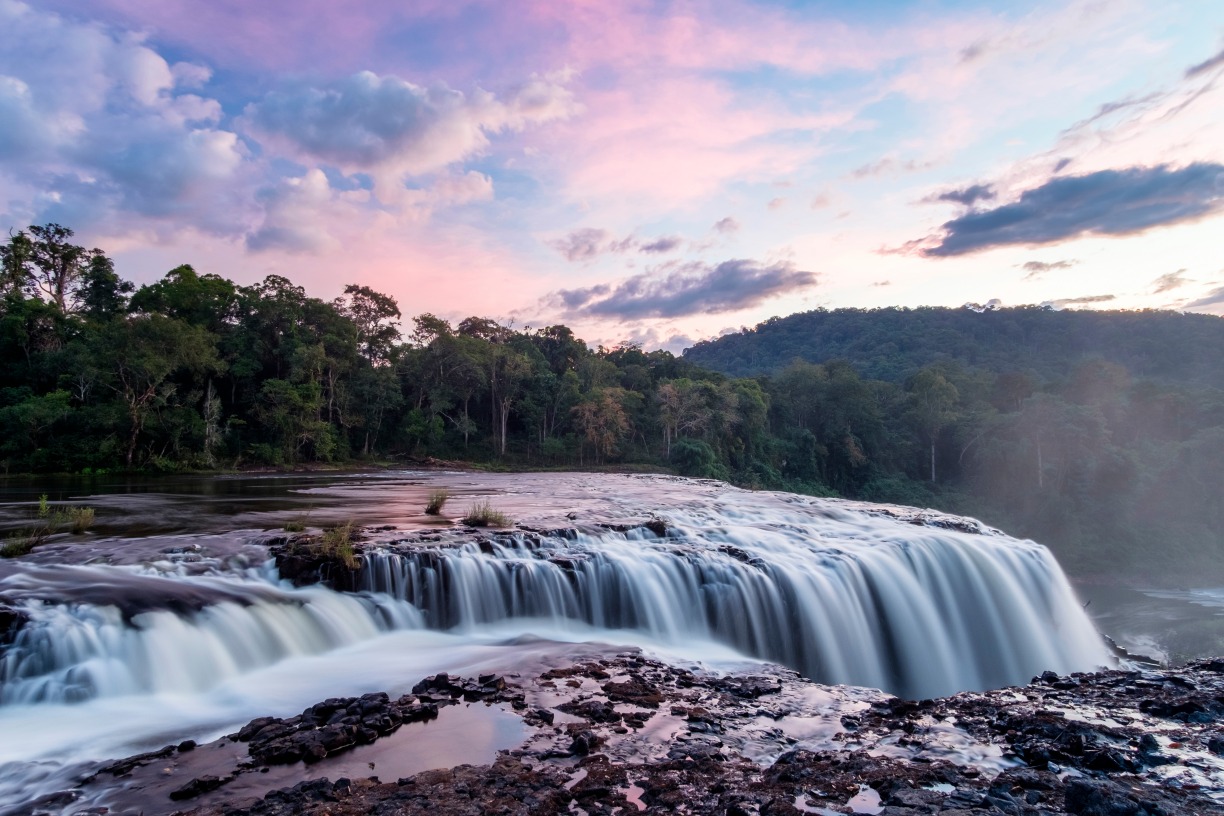
This cascade is located 27 kilometers north of Houei Sai. To reach it, you pass through Ban Nam Nyon Mai village, the Pana clan village, and cross wooden suspension bridges. Plunging from a height of 6 to 7 meters with force into a cool, clear pool, it offers: enjoying the view, swimming in this natural pool, relaxing in a nearby hut, or organizing a picnic in the surroundings.
Tourism and Charity
One distinguishing feature of tourism in Houei Sai is the opportunity to combine backpacking with charitable giving through:
- The Gibbon Experience office: This offers backpackers a local forest conservation project. It raises funds for its efforts by encouraging travelers to visit Bokeo Nature Reserve (including accommodation in giant tree-top canopies accessed by cable).
- New Challenge Discovery office: This organization arranges excursions (kayaking, hiking, cycling, trekking, etc.) throughout Bokeo Province. Participation fees support efforts to help children in rural Houei Sai communities.
- the village of Daauw: A place where you can combine travel with volunteer work benefiting mountain Lao communities.
Climate and Geography
This peaceful, rustic locality sits across from the small town of Chiang Khong and forms part of the Thai-Laos border. It is situated on the banks of the imposing Mekong. As the capital of Bokeo Province, it is known by various names: HouayXai, Houeo Sai, Houayxay.
Its urban layout includes the Fourth Thai-Lao Friendship Bridge (operational since December 2013) and a section of Asian Highway 3 (connecting China's northern Yunnan Province with Thailand's Chiang Rai Province in the south).
Regarding the best season to visit, plan your trip between October and April, when rainfall is minimal.
By Air
The town has a domestic airport offering regular connections to Vientiane on Tuesdays, Thursdays, and Saturdays.
By Boat
You can reach this charming town from the Mekong River in several ways:
- By slow boat
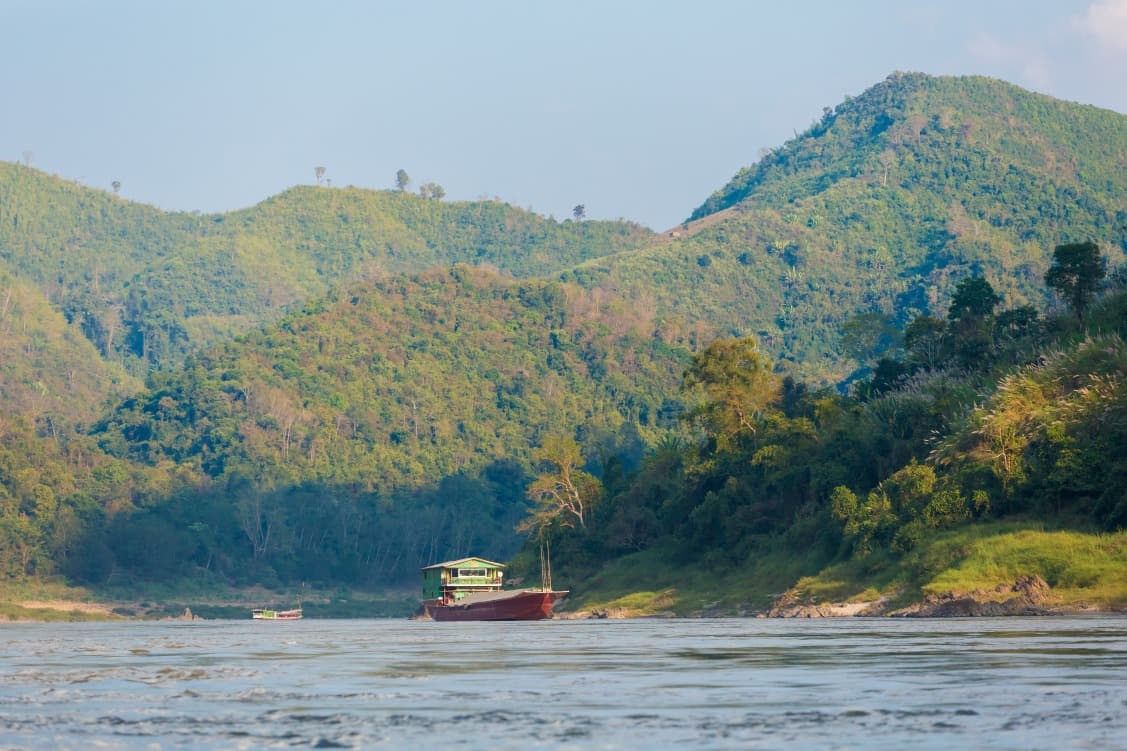
Generally, this type of transport is more suitable for leaving town. From Houei Sai to Pak Tha, two hours of downstream navigation suffice. It's ideal for glimpsing fishermen at work and admiring the lush surrounding vegetation.
- By ferry
From Chiang Khong, the ferry is the most economical option. Simply arrange your schedule to arrive before 6 p.m. so you can obtain your visa upon arrival.
- By speedboat
- By luxury cruise
By Road
- By bus
The Luang Namtha–Houei Sai route takes a maximum of 6 hours. Buses stop at either Keo Champsa station or Pet Aloun station. There is also a Chiang Rai–Houei Sai route departing four times daily.
- By car rental
From Vientiane, the road to take to reach your destination is the "haunted" route.
On Foot
On short distances, walking around town allows you to interact with locals and absorb authentic Laotian culture.
By Bicycle
At the Little Hostel, you can rent bicycles for a few hours or a full day.
By Tuk-Tuk
This is the most convenient way to reach remote corners of Houei Sai (villages, Nam Nyon waterfall, etc.).
Practical Information
- Border Crossing and Visa
The immigration office is located 10 kilometers south of town. This is where 30-day visa-on-arrival documents are issued. Obtaining one costs 35 dollars or euros, depending on nationality. Additional fees of 1 dollar or more may apply under certain circumstances (weekend applications, passport without photo, arrival after 4 p.m.).
- Crossing the Friendship Bridge
Border checkpoints on the bridge are positioned 10 kilometers south of Houei Sai and 9 kilometers south of Chiang Khong. Several tuk-tuks are stationed there, providing connections to the city center. Crossing the bridge is done by bus (20 baht during normal hours, 40 baht on weekends and after 4 p.m.). Bicycles are not permitted on the bridge. Cyclists must board a bus with their bikes and pay 100 baht.
- Currency Exchange
Near the immigration office, a small bank offers currency exchange services for traveler's checks and cash. Additionally, some guesthouses and restaurants exchange baht, kip, and US dollars at reasonable rates. You'll also find several ATMs along the main street, with withdrawals capped at 1,000,000 kip.
- Safety
Beware of minor scams from locals! At Houei Sai's border, unscrupulous tourism agents offer foreigners comprehensive services: visa paperwork, boat and hotel reservations in Pakbeng. Anyone accepting this offer will face exorbitant costs for services that don't match what was initially agreed upon.
In Pakbeng, another common trick involves misleading travelers about boat departure times: 11 a.m. instead of 9 a.m. Those delayed by this deception will pay dearly to board a boat heading back to Houei Sai: 200,000 kip per person.
Want to discover this destination?
Our local advisors design your tailor-made trip.