Attapeu
Attapeu
Attapeu, the 'garden city' of southern Laos: protected forests, waterfalls, Tariang minorities and the Ho Chi Minh Trail. Your guide to exploring this undiscovered destination.
Often, travelers come to Laos to witness its authenticity and discover its minority villages, traditions, Buddhist temples and abundant natural beauty. In this regard, the city of Attapeu and its surroundings prove to be the perfect destination to experience all of this. This remote town, known as the 'garden city', is renowned for its sleepy, picturesque and tranquil character—but also for its lush vegetation. Off the beaten path, it sits in a hard-to-reach region. This means few tourists venture there. Yet it is a wonderfully rewarding place for those seeking escape and discovery, far from crowds and the tumult of modern life.
History
Its history is closely tied to that of its province. A province with a rich past dating back to the Lane Xang Kingdom in the 16th century and the construction of the ancient Saysetthathirath stupa (believed to contain the remains of King Saysetthathirath).
Later, the province earned the title "land of heroism" for its key role during the Lao revolution. Evidence of this can be found in war remnants scattered throughout the locality, particularly in the eastern section, along the Ho Chi Minh Trail.
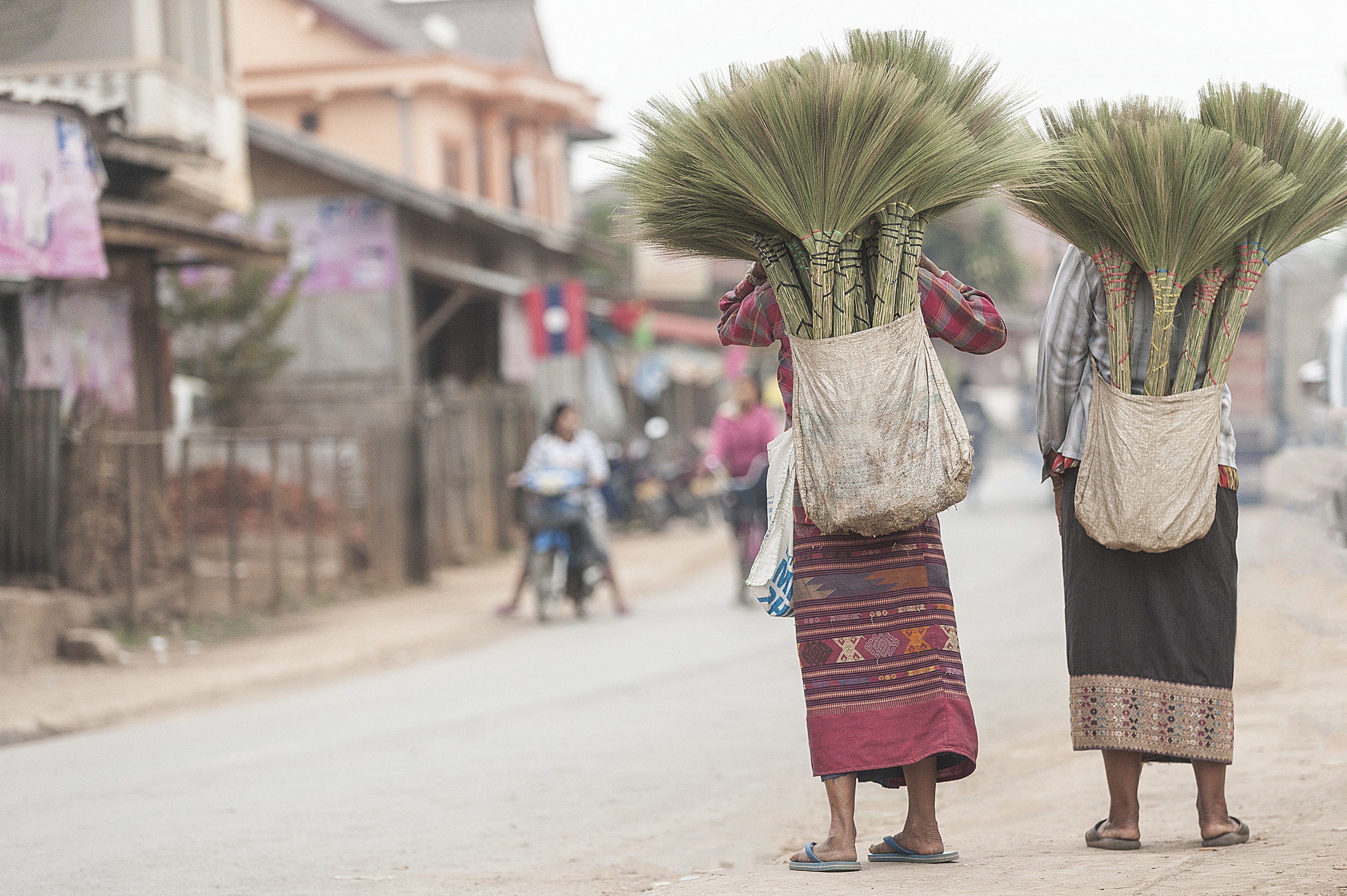
Over the years, the region became home to Mon-Khmer ethnic groups. As for Attapeu city itself, its inhabitants are predominantly Tariang and about half are Vietnamese.
Today
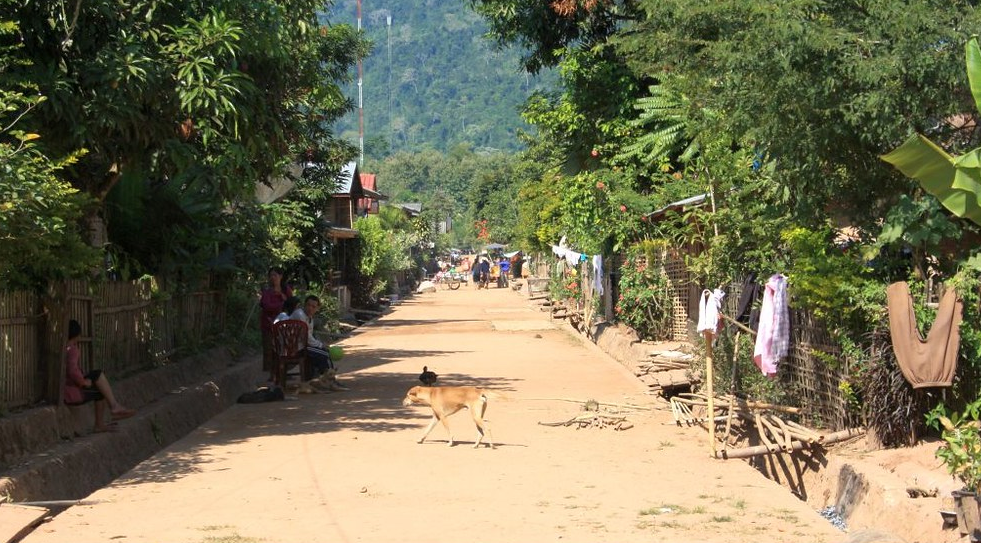
It is now defined by its sites and surrounding towns. The city itself has few attractions, but the locals are welcoming and warm-hearted. A convivial atmosphere awaits you along a peaceful river and during the BounKin ARD festival celebrations among the Tariang people.
Moreover, nature lovers will be thoroughly rewarded by extraordinary natural landscapes. Among the region's pearls stand out:
- Its river-lake convergence where the Xe Kong, Xe Kaman, and Xe Xou rivers meet
- Its two National Protected Areas (NPA): Xe Pian with its fabulous waterfalls and wild forests; Dong Amphanh with its high mountains (reaching 2,052 meters elevation) and rare wildlife species (gray-cheeked gibbon, Asian golden cat, leopard, tiger, elephants, and muntjac deer)
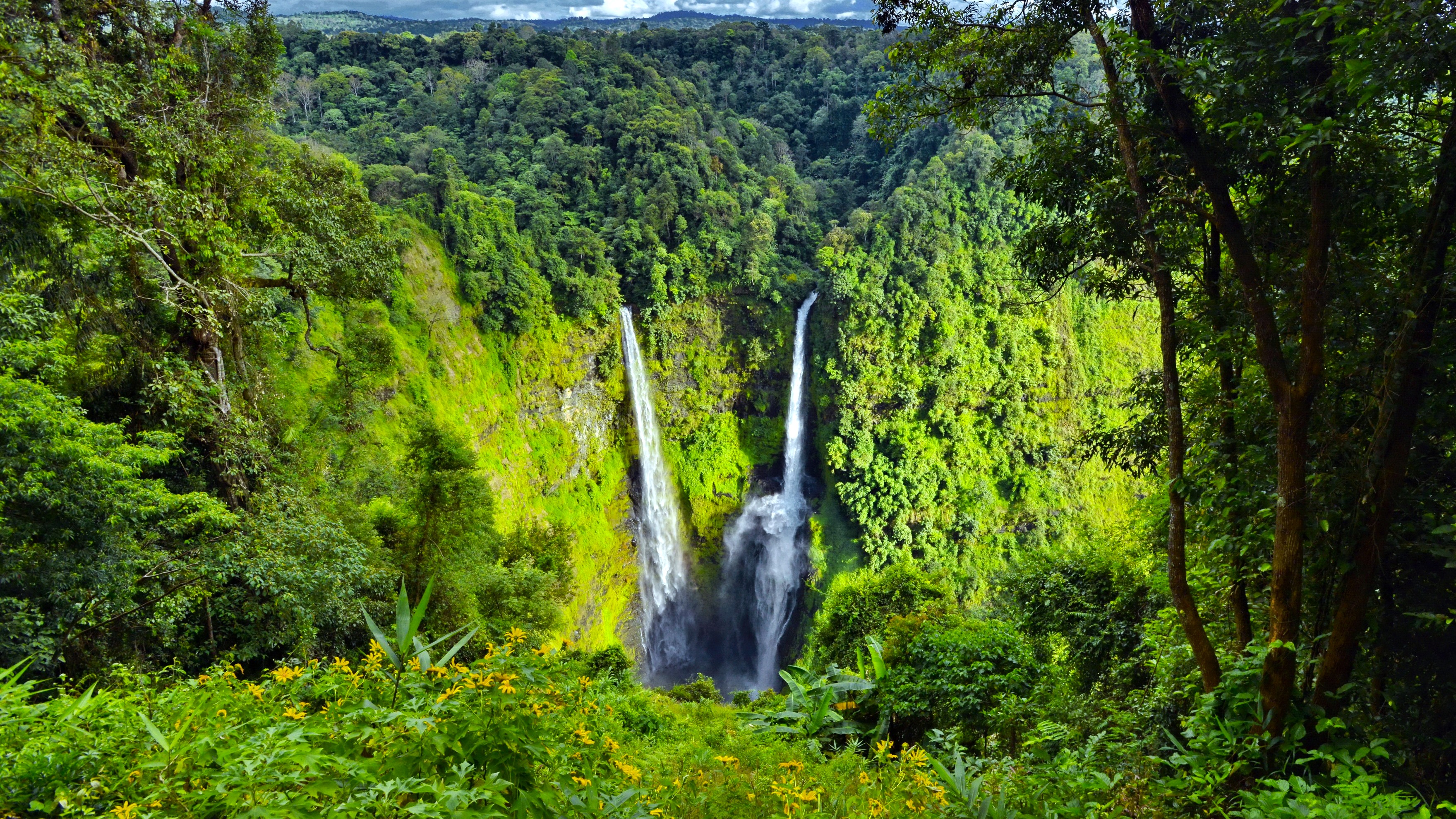
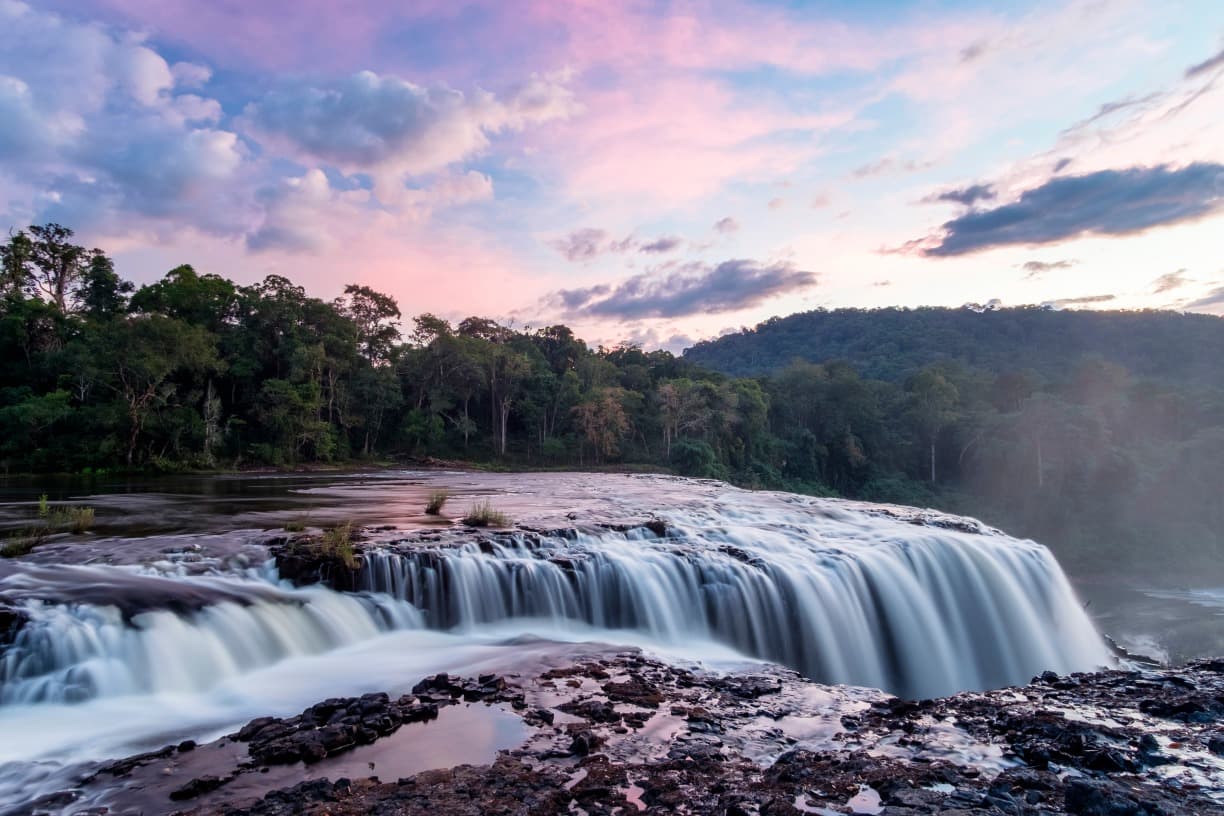
- The waterfalls of the Xe Pian river accessible on foot or by boat: Tad Saepha, Tad Samongphak and Tad Saeponglaican
- The Attapeu Plain and its birdlife (prelate pheasant, episcopal stork, ocellated argus, chestnut-shouldered hawk, fish eagle, vulture, etc.)
- The legendary and expansive Nong Fa Lake (or Nong Kai) with its crystal-clear waters, romantic setting, pine forests and reputed diamonds; a place where you can enjoy a refreshing swim
- The sublime Tad Phapong waterfall and its colorful rocks near the Xe Xou river: an ideal destination for jungle trekking or a river cruise
The vastness of these green spaces can sometimes make exploration challenging. This is why it is recommended to hire an experienced local guide if you wish to venture deep into nature. This timeless city is also known for its countless herds of wild buffalo, a fact that inspired its name: Attapeu meaning "buffalo dung". Nevertheless, its appeal extends beyond its "garden". There are other curiosities to explore, including:
Its practices and traditional crafts: pottery made using ancient techniques, creation of large jars for storing Lao Hai (local rice wine), striking Tariang textile weaving, bamboo basket crafting, bows and arrows, pipes and jewelry
Its temples: Vat LuangMuang Mai built in 1939, the ancient monastery of WatPhaSaysettha and its stupa nestled in the village of PhaMeuang, the pagoda of WatSakhae
The Ban Mai village with its homestays, traditions, indigenous forest and bird communities
The Soviet missile launcher used during the Vietnam War at Pa-Am village
Laos Traditional Medicine Sauna: for those needing rejuvenation after a long and tiring adventure
The Ho Chi Minh Trail challenge for hiking enthusiasts
Climate & Geography
Attapeu, or Samakhi Xai, is a city in Laos located in the province of the same name, serving as its capital. The province is situated in the far south of the country, bordered by Sekong Province to the north and Champasak Province to the west.
It nestles in a wide valley where the Xe Kong and Xe Khaman rivers converge. It sits near Mount Phouluang and Phou Aphong. Ultimately, it is generally considered the starting point for excursions into the wild eastern regions of Laos.
The best times to visit extend throughout the year. Certainly, Attapeu is difficult to access, especially during the monsoon season (May to October). However, some of its attractions can vary from season to season.
The rainy season enhances the splendor of its natural sites: waterfalls flow with greater volume and impressive power, and the forest's verdure deepens. A spectacle truly worth experiencing. However, these conditions require some preparation such as bringing an umbrella, raincoat and insect repellent.
From November to April comes the dry season: strong sunshine and no rain in sight. Those venturing on treks should take precautions against heat exhaustion and carry plenty of water. It's worth noting that April is the hottest month with an average temperature of 27.6°C. In January, temperatures dip lowest at an average of 22.8°C.
This southern Laos region is primarily accessible by road.
- From Paksé: the bus takes 5 to 6 hours to reach Attapeu. Buses depart from the km8 station. For optimal comfort, it's advisable to take one departing between 8am and 10am. The journey costs 60,000 kips. There are also tourist buses departing at 3pm and 4pm for the same price. As for local buses, these depart the station between 6am and 7:40am.
- From Vientiane: the distance is 212 km. Several buses leave this major city daily: around 8am for the local bus (140,000 kips), between 11:30am and 12:30pm for VIP2 (170,000 kips), and between 3pm and 4pm for VIP1 (220,000 kips).
- From Sekong: the journey takes about 4 hours covering 77 km. The bus uses Route 11 to reach this beautiful remote city, with departures from 6am until 10:30am. Tickets cost 20,000 kips.
- From Salavan: only two local buses head to the garden city: at 9am and 2pm for 50,000 kips.
For your information, Attapeu's bus station is located just 600 meters before the intersection at the city's entrance.
Note that tuk-tuks stationed at the terminal are only dedicated to trips between the city center and the station. If you wish to explore downtown, walking tours suffice.
What to Do?
- Visit the famous Wat Sakhae and the tomb of King Saysetthathirath at WatPhaSaysettha
- Experience homestay life in Ban Mai village
- Discover the natural treasures of the Xe Pian NPA and Dong Amphanh
- Trek to the Tad Pha Phong waterfall
- Wade and swim in the mysterious Nong Fa Lake
- Meet the Tariang people of Attapeu and attend their famous BounKin ARD festival
- Embark on a wildlife photography safari spotting some 280 bird species recorded in the region
Want to discover this destination?
Our local advisors design your tailor-made trip.