Xaignabouli Province
The only Laotian province on the right bank of the Mekong, Xaignabouli is renowned for its Asian elephants, award-winning conservation center and annual festival, set amid forests and remote hills.
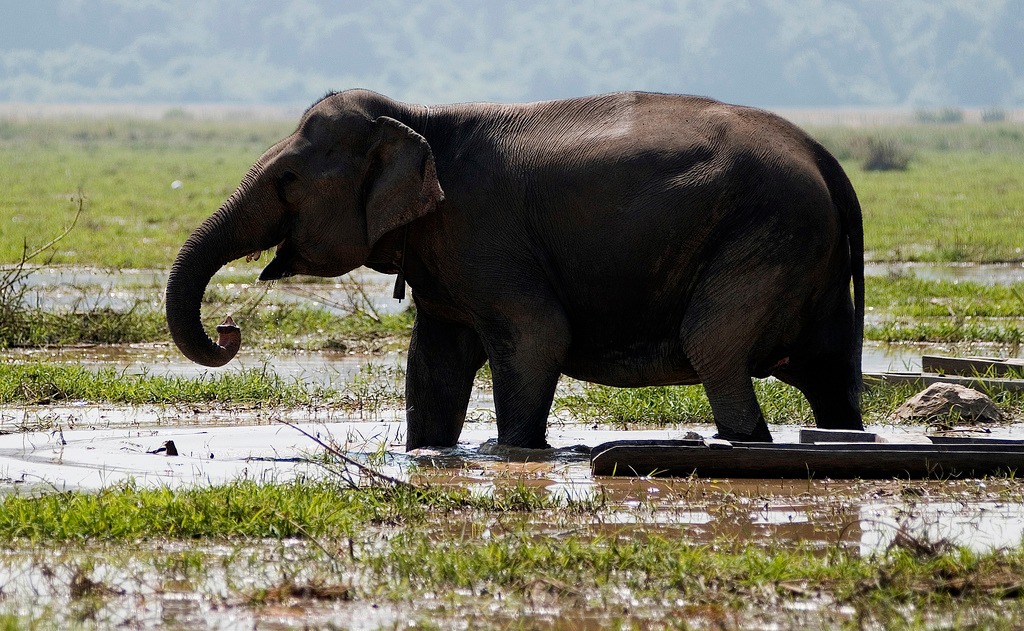
Xaignabouli Province (or Sayaboury) is the only Laotian province situated on the right bank of the Mekong, wedged between Thailand and Myanmar. Separated from the rest of Laos by the river, it stands out for its dense forests, wild and semi-captive elephants, and a local culture infused with northern Thai influences. It is home to the country's largest population of Asian elephants.
Practical Information at a Glance
- Access from Vientiane: Mekong crossing by ferry from Pak Lai or Tha Deua, then road; long-distance buses available.
- Access from Luang Prabang: road via mountain pass or slow boat depending on season.
- Recommended duration: 2 to 4 days to combine town, elephants and nature.
- Dress code: covered clothing recommended in temples and villages.
- Season: dry season (November–April) for roads and forest trails.
What to See
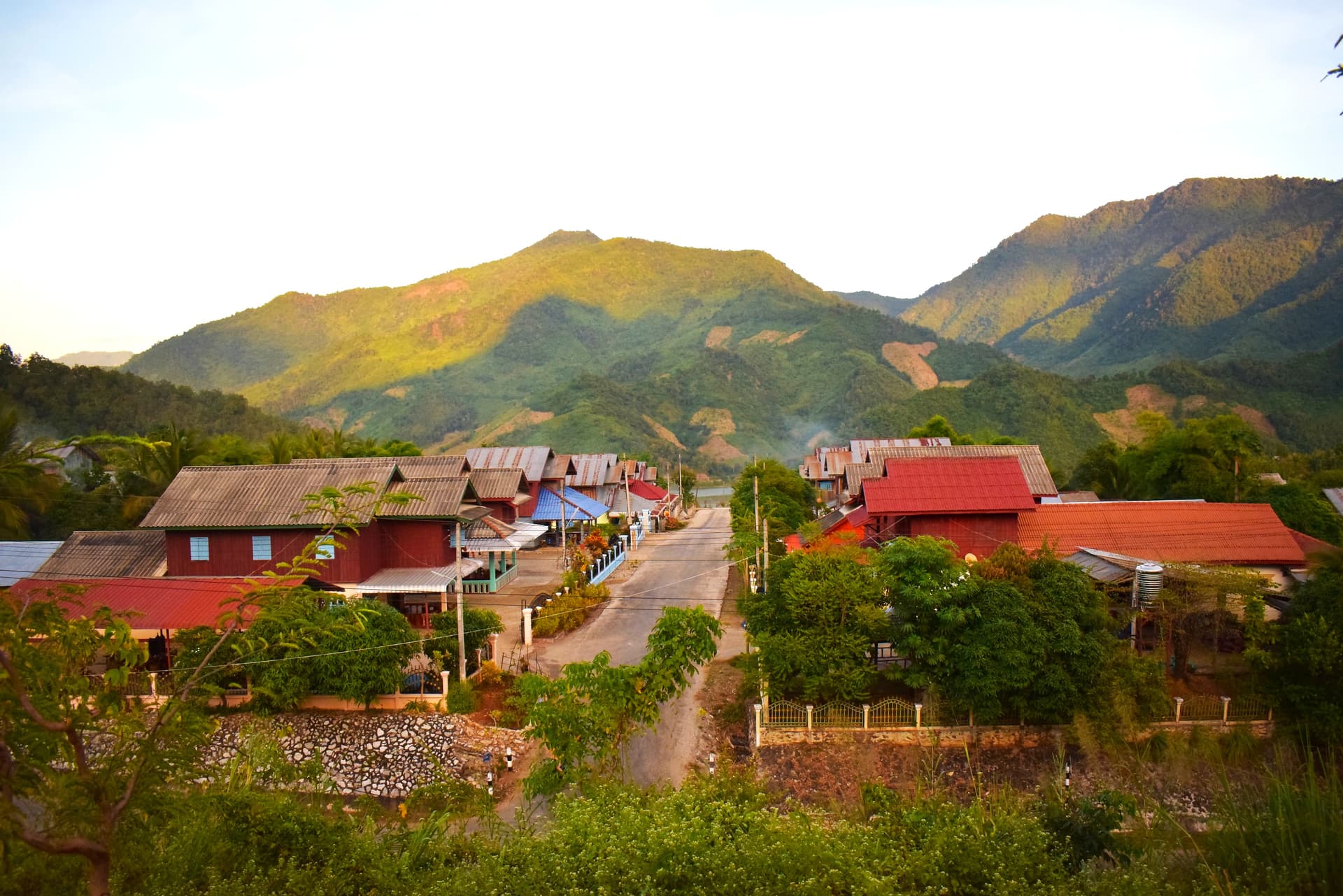
The province offers a landscape of forested hills, terraced rice paddies and ethnic villages (Hmong, Khmu, Tai Dam). The town of Xaignabouli itself is modest, with a handful of Buddhist temples and a lively market. The main attraction remains the Elephant Conservation Center, situated on Nam Tien Lake.
History and Context
Long isolated by the Mekong, Xaignabouli maintained close commercial and cultural ties with northern Thailand rather than with Vientiane. The region was incorporated into the kingdom of Lan Xang, but its geographic isolation gave it a distinct identity. Teak wood was intensively exploited there during the 20th century, contributing to partial deforestation of the forests.
Highlights of Your Visit
Elephant Conservation Center (ECC)
Founded to protect Asia's elephants in Laos, the ECC offers immersive stays on Nam Tien Lake. Visitors watch elephants bathe, participate in supervised care activities and sleep in floating bungalows. It is one of Southeast Asia's most serious conservation programs.
Xaignabouli Elephant Festival
Each year in February or March, the town hosts the largest gathering of elephants in Laos. Processions, demonstrations and Buddhist ceremonies attract visitors from across the country. Dates vary according to the lunar calendar.
Ethnic Villages and Trekking
The hills surrounding Xaignabouli are home to Hmong and Khmu communities accessible on foot or by motorbike. Morning village markets offer a glimpse of local craftsmanship: weaving, silver jewelry, medicinal herbs.
Mekong and Ferry Crossings
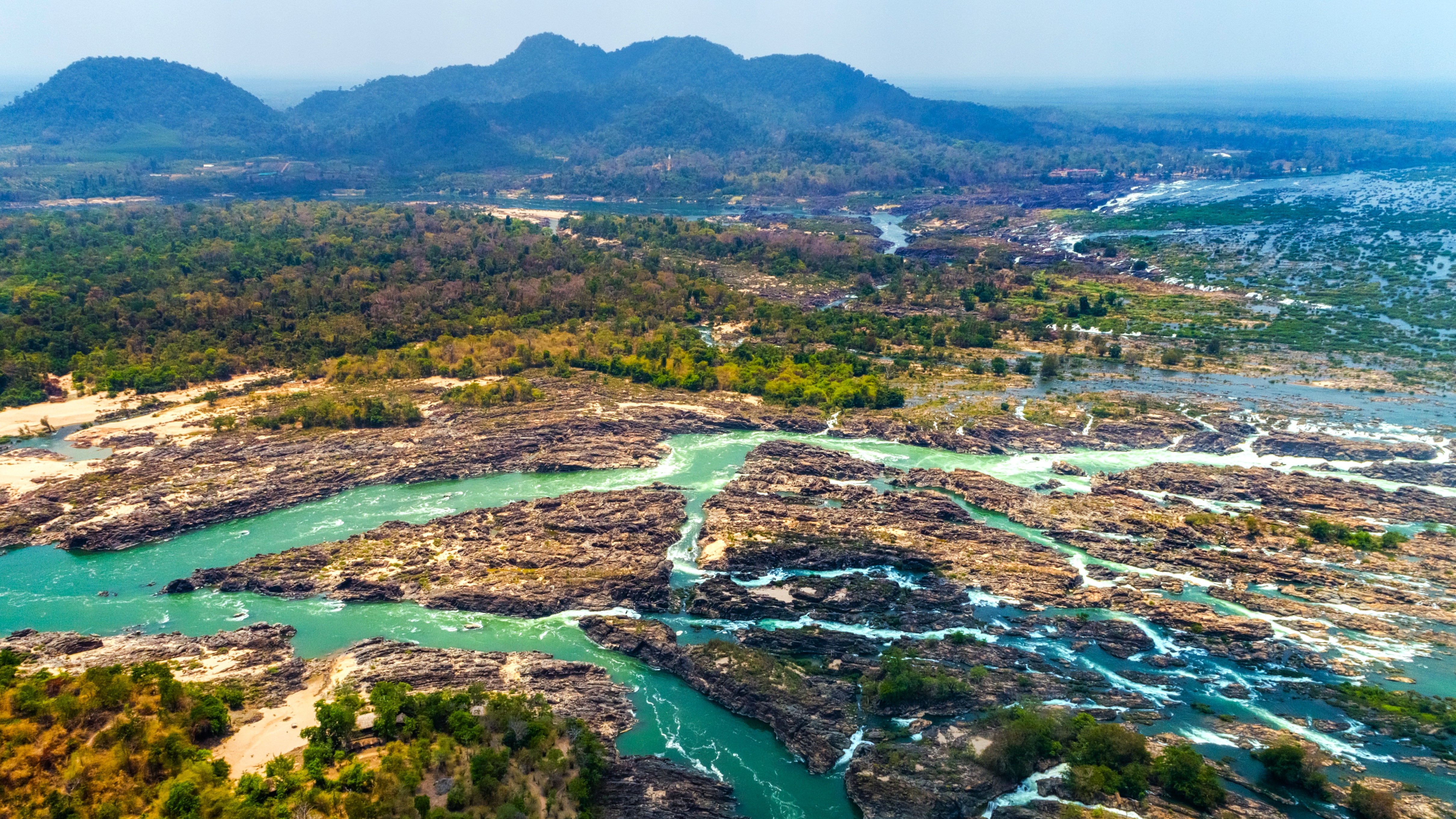
Crossing the Mekong by local ferry is an experience in itself. The riverbanks see few tourists, with fishermen, water buffalo and sandy shores depending on the season.
Photography Tips
Golden morning light on the Mekong is ideal for photographing ferries and riverbanks. At the ECC, elephant bathing sessions mid-morning offer the best lighting conditions. In villages, always ask permission before photographing residents.
Location and Access
Xaignabouli is the provincial capital, approximately 180 km northwest of Vientiane as the crow flies, though road access is longer due to the Mekong. Buses connect Vientiane to Xaignabouli via ferry. From Luang Prabang, the road crosses mountainous terrain; allow several hours depending on road conditions. A small airport serves the town with domestic flights operated by Lao Airlines, subject to seasonal availability.
Nearby Attractions
- Luang Prabang — former royal capital on UNESCO's World Heritage List, accessible from Xaignabouli by road or boat.
- Pak Lai — riverside town on the Mekong, main crossing point to Xaignabouli.
- Vientiane — capital of Laos, usual starting point to reach the province.
Frequently asked questions
The dry season, from November to April, is most favorable. Forest trails and secondary roads are passable, and the elephant festival is generally held in February or March.
Long-distance buses depart from Vientiane and include a Mekong ferry crossing. Lao Airlines also operates domestic flights to the town, subject to seasonal availability.
Yes, the ECC welcomes families. Activities are supervised and focused on respectful observation rather than uncontrolled direct contact. Advance booking is strongly recommended.
Some villages close to town are accessible alone, but a local guide facilitates communication and ensures respect for customs. Local agencies in Xaignabouli offer guided treks.
In temples and villages, covered clothing (shoulders and knees) is expected. Remove your shoes before entering a temple or a home by invitation.