Oudomxay
Oudomxay (Muang Xay) is the main hub of northern Laos, at the intersection of routes to China, Luang Namtha, and Luang Prabang. An animated ethnic market, an elevated temple, and recent rail access make it a worthwhile and authentic stop.
Oudomxay — also known as Muang Xay — is the capital of the province of the same name in northern Laos. A crossroads between China, Myanmar, and the rest of the country, this mountain town attracts travelers heading north to Luang Namtha or south toward Luang Prabang. Far removed from mass tourism, it offers an authentic glimpse of provincial Lao life and the ethnic diversity of the north.
Quick Practical Information
- Access: buses from Luang Prabang (approximately 6–7 hours), Luang Namtha, and Nong Khiaw; minivans available.
- Recommended duration: 1 to 2 days, primarily as a stop on a northern circuit.
- Market: the morning market is active early; plan to arrive before 8 a.m.
- Currency: Lao kip; Chinese yuan are widely accepted due to significant Chinese commercial presence.
What to See
Oudomxay is not a destination of spectacular monuments. Its appeal lies in its atmosphere as a bustling commercial hub, blending Lao, Hmong, Akha, Khmu, and Chinese merchants. The central market concentrates this diversity: textiles, medicinal herbs, fresh produce, and local crafts mingle each morning.
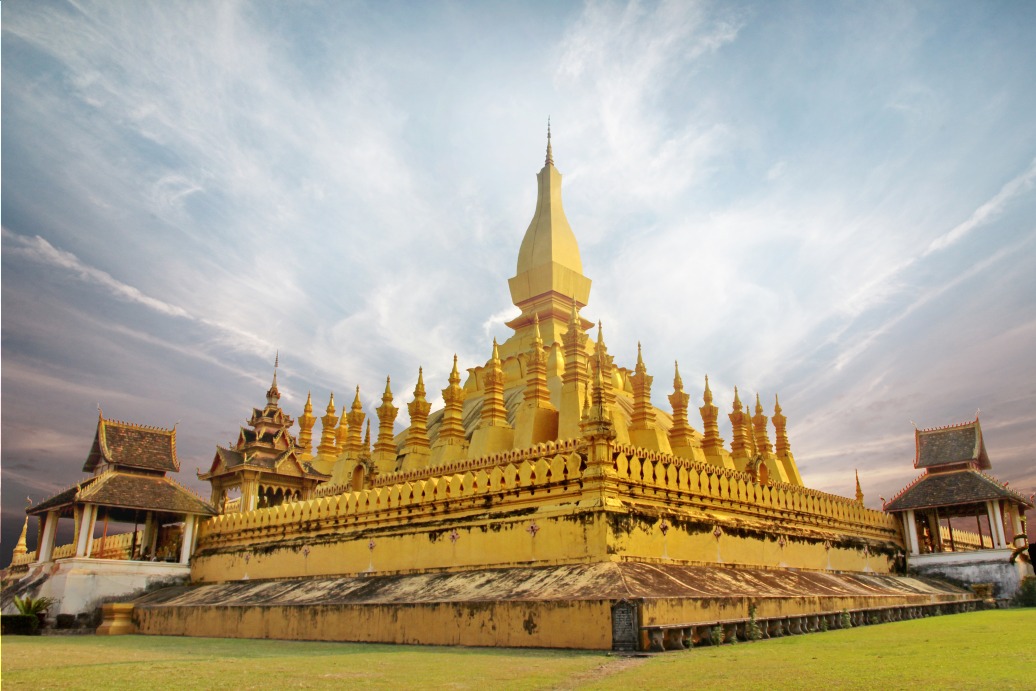
The Wat Phou That, a Buddhist temple perched on a hillside overlooking the town, offers clear views of the surrounding valleys and forested mountains. The climb on foot is short but steep.
History and Context
Oudomxay has long served as a commercial node between Yunnan, China and the Lao plains. Since the opening of the Laos–China railway line (inaugurated in 2021), the town is connected to Vientiane and Boten (the Chinese border) by train, further strengthening its role as a regional hub. This Chinese influence is visible in recent architecture, bilingual signage, and commercial establishments.
Highlights of a Visit
The Morning Market
This is the living heart of the town. Ethnic minorities from surrounding villages descend to sell their goods. Here you'll observe traditional Akha and Hmong clothing, rare medicinal plants, and a wide variety of dried game — a direct reflection of the surrounding forest.
Wat Phou That
This hilltop temple is Oudomxay's visual landmark. The terrace offers panoramic views of the town and forested ridges. The atmosphere is calm, far from the bustle below.
Provincial Museum
Small yet informative, the Oudomxay Provincial Museum showcases the cultures of ethnic groups in the region — costumes, tools, musical instruments. It serves as a useful introduction before exploring nearby villages.
Etiquette and Visiting Rules
- At Wat Phou That: remove your shoes before entering the main building.
- Covered clothing (shoulders and knees) in temples.
- Always ask permission before photographing people at the market, particularly women from ethnic minorities.
Photography Tips
The morning market offers the best natural light and greatest diversity of subjects. Arrive early, before mountain mist clears. From the Wat Phou That terrace, late afternoon light beautifully illuminates the valleys.
Location and Access
Oudomxay lies in the mountainous north of Laos, at the junction of several national roads. The railway station, opened in 2021 on the Laos–China line, now places the town on a fast route to Luang Prabang to the south and toward the Chinese border to the north. Buses and minivans remain the most flexible option for reaching Luang Namtha or Nong Khiaw.
Nearby Destinations
- Luang Namtha — an ideal base for forest treks and visits to northern minority villages.
- Nong Khiaw — a mountain village on the Nam Ou river, renowned for its limestone cliffs and peaceful atmosphere.
- Luang Prabang — the former royal capital, accessible by bus or train, essential on any northern Laotian itinerary.
- Pak Beng — a stop on the Mekong river route to Huay Xai, reachable from Oudomxay by road.
Frequently asked questions
One night is sufficient for most travelers. Two days allow you to visit the market, temple, and museum, and possibly take an excursion to a nearby village.
Yes. The Laos–China line inaugurated in 2021 serves Oudomxay (Muang Xay station). It connects the town to Luang Prabang and Vientiane to the south, and to Boten (the Chinese border) to the north.
The dry season (November to April) is most pleasant: roads are passable and skies are clear. During the rainy season (May to October), some village trails may be impassable.
A few local agencies offer treks to Khmu and Akha villages in the surrounding area. The offering is less developed than in Luang Namtha, but circuits remain accessible through local guesthouses.
Yes, widely, due to the significant Chinese merchant community. Lao kip remains the official currency; Thai baht are also common in exchanges.
Want to discover this destination?
Our local advisors design your tailor-made trip.