The People of the Bolovens Plateau
The People of the Bolovens Plateau
Dramatic waterfalls, highland coffee and Katu villages: the Bolovens Plateau, a refreshing escape in southern Laos, unfolds best by motorbike over 2 to 4 days.
The Bolovens Plateau sits in southern Laos within the emblematic region of Champassak, some 50 km west of the provincial capital: Paksé. It is an essential destination during a stay in Laos, where motorbike adventures abound. Tropical landscapes shaped by rivers, vibrant jungles, waterfalls, combined with Alak and Katu villages—the largest ethnic minorities living here—are sublime and linger long in memory. The region itself is anchored in agriculture, particularly rice cultivation.
The Katus
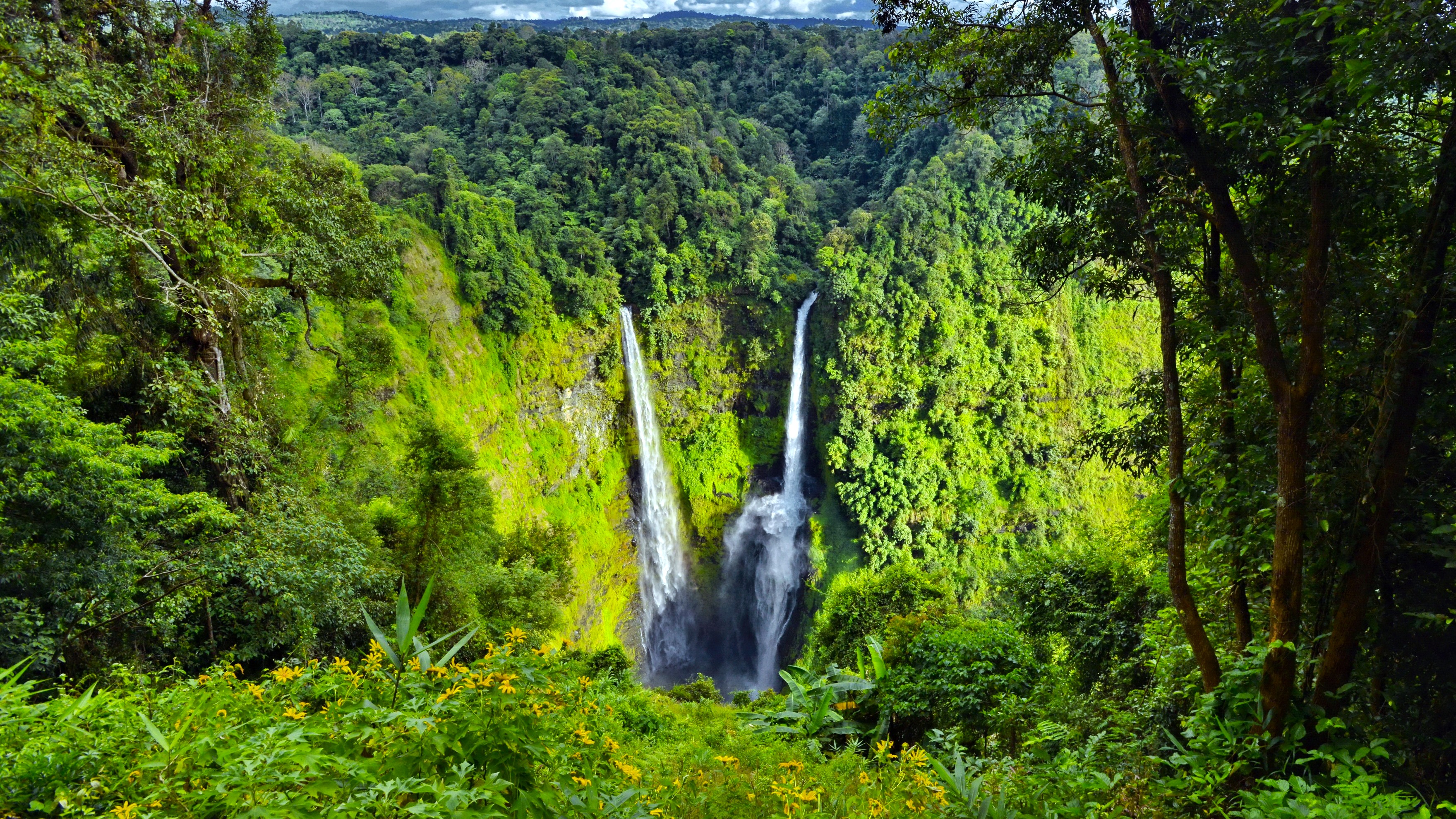
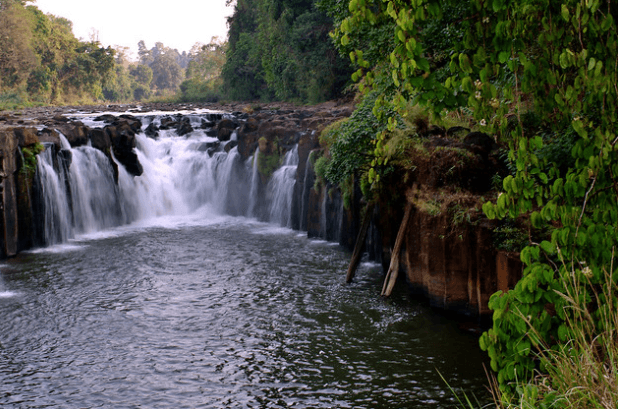
Katu villages often represent the first stops for visitors exploring the Bolovens Plateau, a visit typically lasting 2 to 3 days in total. The first you'll surely encounter is Tad Lo, in the north of the region, roughly forty kilometers northeast of Paksé. Here you can watch two elephants bathing in the jungle, enjoy two emblematic waterfalls in the area—one of them, Tad Soung, offering stunning views over the surrounding countryside—and learn more about Katu culture! You'll certainly want to visit the handful of traditional hamlets around this village, which admittedly draws its share of tourists.
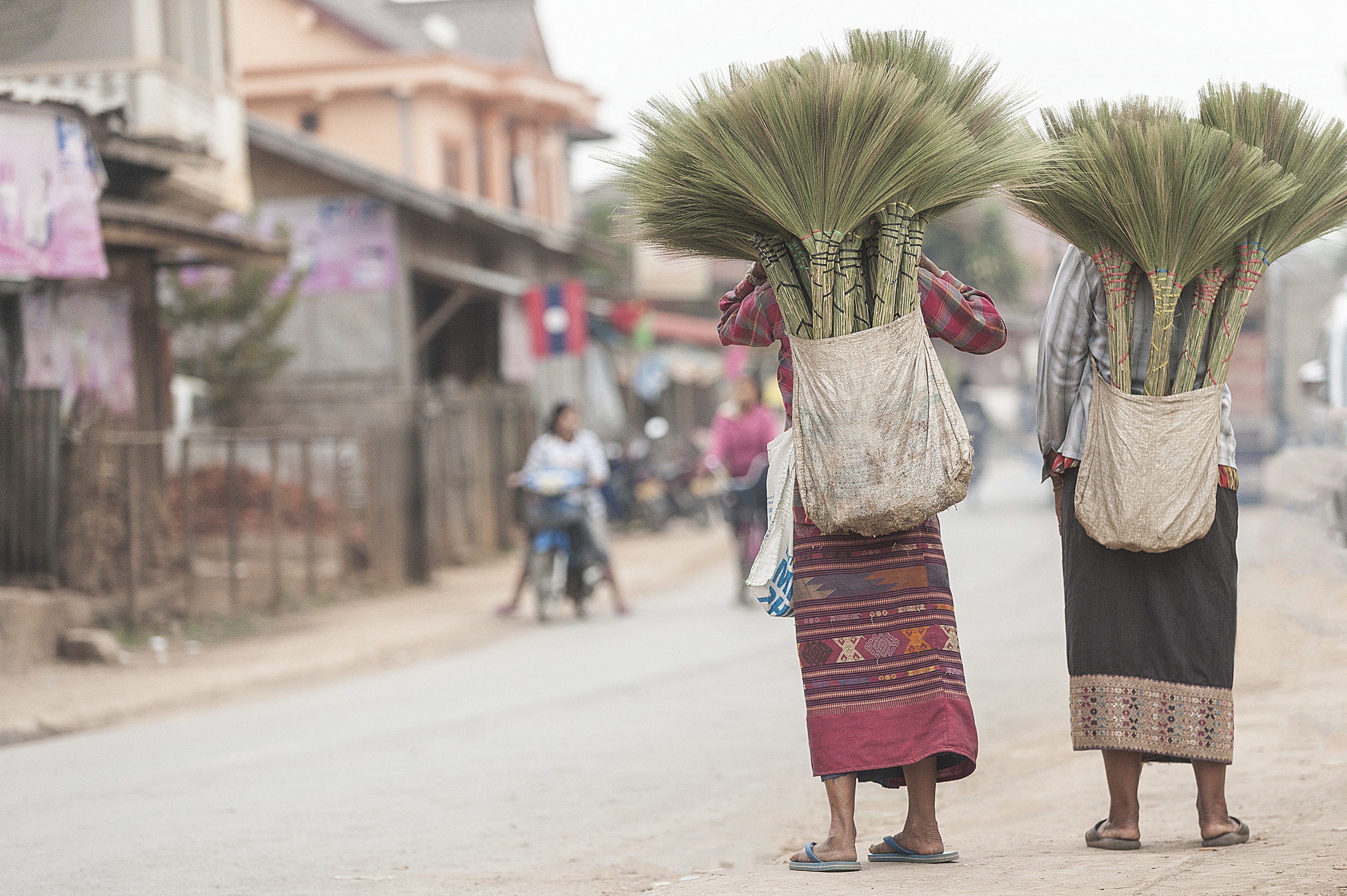
The Katus, like the Alaks, are an animist people who believe in the power of the elements—wind and mountain—which they regard as their protectors. In Laos, they live primarily in Saravane Province, bordering Champassak to the north. Their villages are typically small, comprising no more than sixty houses, and you can easily identify them by their wooden-fenced perimeters. The Katus have mastered the art of weaving, and many have been craftspeople for generations. You can visit a workshop about fifteen kilometers east of Tad Lo, after the village of Thateng. Whatever you do, be sure to try their sticky rice!
The Alaks
Like the Katus, the Alaks form part of the 47 ethnic minorities living in Laos. This people inhabit mainly the Bolovens Plateau at a moderate altitude (between 300 and 900m). Similar to the Katus, Alak villages aren't densely populated, and houses are traditionally built on stilts.
Beyond strong animist beliefs, some Alak villages have the distinctive feature that each has its own shaman. This figure holds ancestral knowledge and practices shamanic rituals to heal the sick and foretell the village's future.
The Alaks living in the village of Houayhe, just east of Paksé, still practice metalworking to craft various tools, or like the Katus, weaving. You can find Alak weavers in the village of Ban Laongam, a few kilometers before Tad Lo.
Want to discover this destination?
Our local advisors design your tailor-made trip.