Tham Pa Fa (Buddha Cave)
A few kilometers from Vang Vieng, Tham Pa Fa cave shelters dozens of Buddha statues within a limestone massif. An active pilgrimage site where nature and spirituality converge.
A few kilometers from Vang Vieng, Tham Pa Fa cave opens into a limestone massif beside the Nam Song river. Inside, dozens of Buddha statues are arranged across rocks and within natural crevices, making it an active pilgrimage site frequented by local villagers and travelers alike. The atmosphere is contemplative, far removed from the bustle of town.
Quick reference guide
- Entrance: Small entrance fee, payable on site
- Access: By bike, scooter, or tuk-tuk from Vang Vieng; Nam Song river crossing by boat included in some routes
- Dress code: Shoulders and knees must be covered (Buddhist place of worship)
- Recommended duration: 30 to 45 minutes on site
- Essentials: Flashlight or torch for exploring darker sections
What to see
The cave houses a collection of bronze and stone Buddha statues, some ancient, others placed recently by devotees. Limestone formations—stalactites and stalagmites—frame the effigies. Natural light filters through the entrance; deeper inside, darkness is nearly complete. A small active altar testifies to the ongoing devotion of the nearby village community.
History and context
The limestone caves of the Vang Vieng region have served as refuges and places of worship for centuries. Tham Pa Fa—whose name evokes sacred fish (pa) and forest (fa) according to local interpretation—is associated with the village community that maintains it. The statues were brought gradually, transforming the cave into a spontaneous sanctuary rather than a constructed temple.
Highlights of your visit
Statues within the stone
The arrangement of Buddhas in natural wall recesses creates a striking tableau. Some statues bear traces of recent offerings—flowers, incense sticks—evidence that the site remains spiritually alive.
The boat crossing
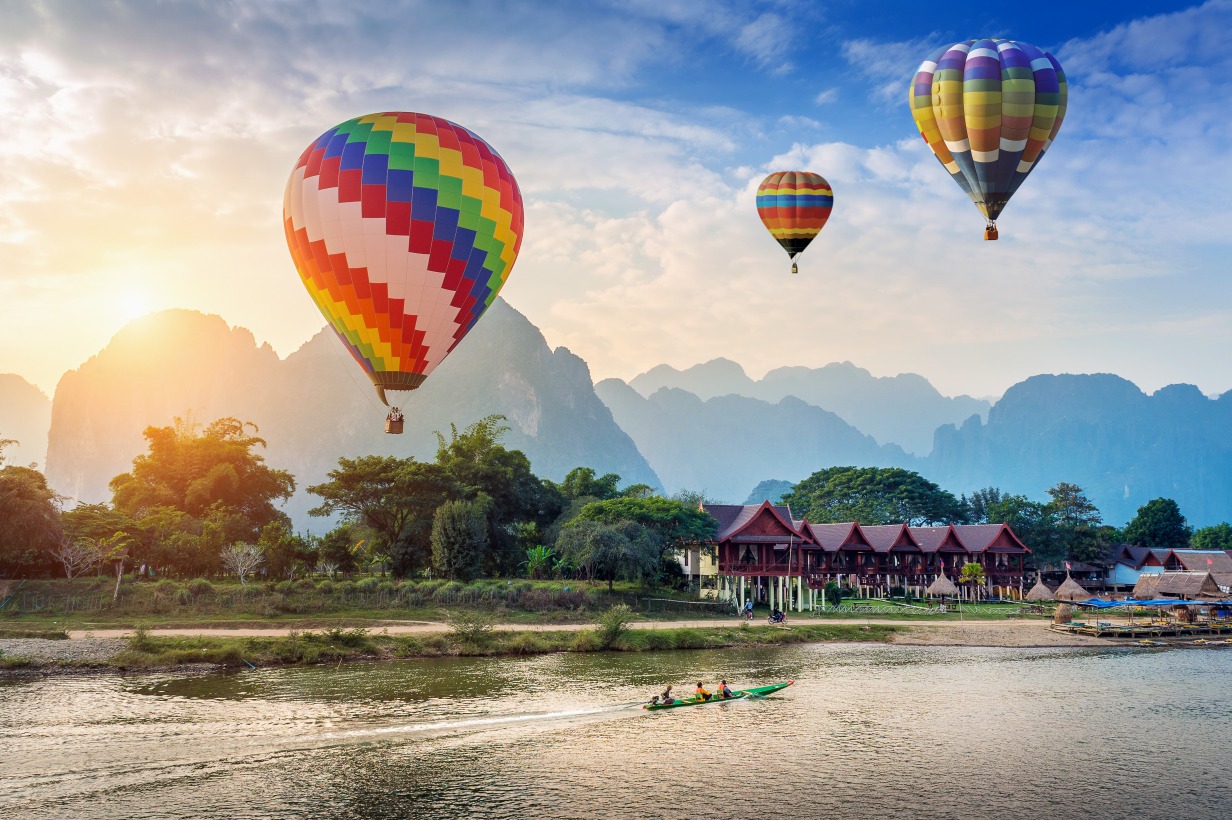
Depending on the season and river level, access may require a short pirogue crossing. This few-minute journey across the Nam Song, with limestone karsts in the background, is part of the experience.
The natural setting
The cave entrance opens onto a landscape of rice paddies and limestone peaks. The tropical vegetation framing the opening heightens the site's sense of isolation.
Etiquette and visiting rules
- Remove your shoes before entering worship areas inside the cave.
- Speak in hushed tones: devotees come to pray, especially early in the morning.
- Do not touch the statues.
- Dress modestly (shoulders and knees covered) before arriving at the site.
Photography tips
Natural light at the cave entrance is best at mid-morning. Inside, a tripod or stable support is useful without flash photography. Check with the caretaker whether photography is permitted near the main altar—certain areas may be restricted.
Location and access
Tham Pa Fa lies a few kilometers north of Vang Vieng, on the opposite bank of the Nam Song. By scooter or bike from town center, allow about twenty minutes. Tuk-tuks depart from the market. The track to the cave is passable in dry season; during the rainy season, check road conditions before setting out.
Nearby attractions
- Tham Jang Cave — another iconic Vang Vieng cave, accessible on foot from town center, with river views.
- Blue Lagoon — natural lagoon in the jungle, a few kilometers away, ideal for swimming.
- Vang Vieng town center — market, restaurants, and riverside within easy scooter reach.
Frequently asked questions
The dry season (November to April) ensures easier access. During the rainy season, the track can be muddy and river crossings more challenging.
Yes. Shoulders and knees must be covered. Also bring shoes that are easy to remove at the entrance to worship areas.
Highly recommended to explore the deeper sections of the cave, which have little or no artificial lighting.
Yes. Tham Jang is the closest and most accessible. A day on scooter allows you to visit several caves and the Blue Lagoon.
Generally yes at the entrance and throughout the cave, but ask the caretaker before photographing the altar or active prayer areas.
Interested in this visit?
We can include it in your personalised itinerary.