Ethnic Minorities in Laos
Laos is a Southeast Asian nation. Surrounded by several countries, including Myanmar and China, this nation of over 6 million inhabitants is home to around fifty ethnic groups!
Laos is a Southeast Asian nation. Surrounded by several countries, including Myanmar and China, this nation of over 6 million inhabitants is home to around fifty ethnic groups! Classified according to their religion or their language, the tribes are also differentiated by more specific criteria, such as the altitude at which they establish their villages! Wondering which ethnic minorities can you meet in Laos? Follow us into the heart of the Laotian lands….
Lao Loum: The Lowland Tribe
The Lao Loum, or "Lao of the plains," live at low altitude. According to Laos's official classification, they reside between 200 and 400 meters above sea level. Settled in the Mekong plain, the Lao Loum live off the economy generated by rice cultivation. You can meet them in Luang Prabang, located in northern Laos.
Designated as a UNESCO World Heritage site, this city is one of Asia's most beautiful. To witness its emblematic custom, you'll need to rise at dawn! You'll then spot hundreds of monks leaving their temple and participating in the alms-giving ceremony (collecting sticky rice balls prepared by residents).
Lao Theung: The Hill Tribe
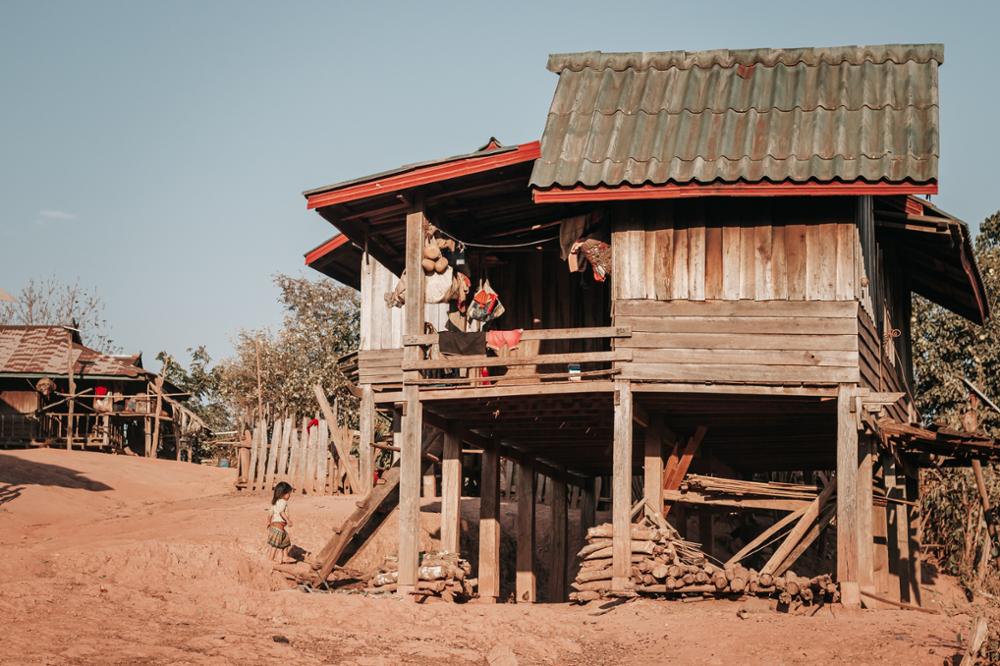
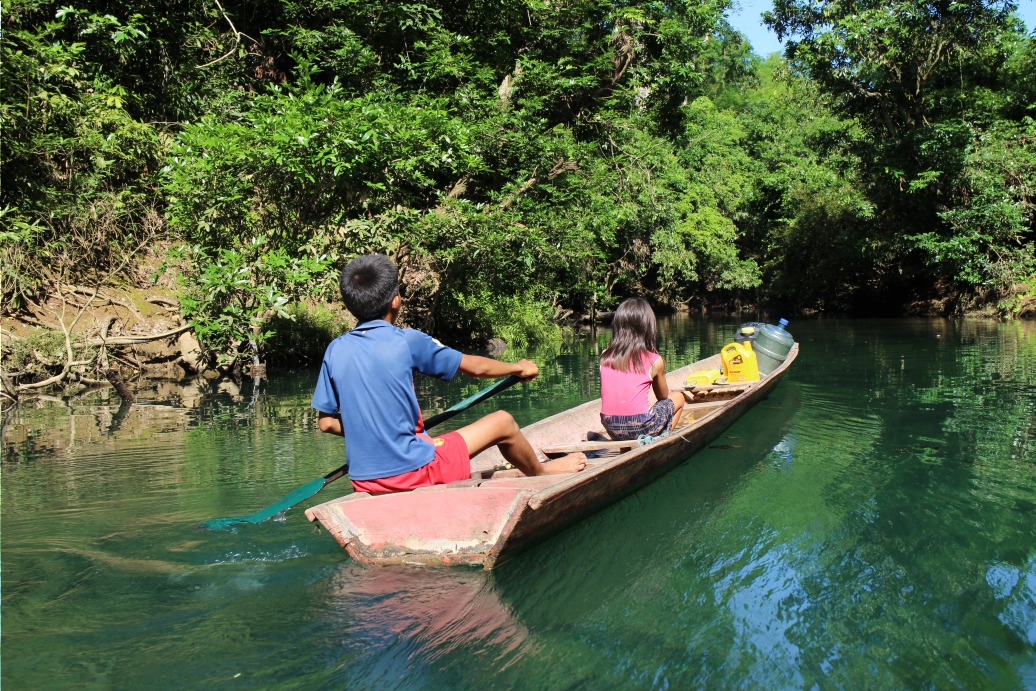
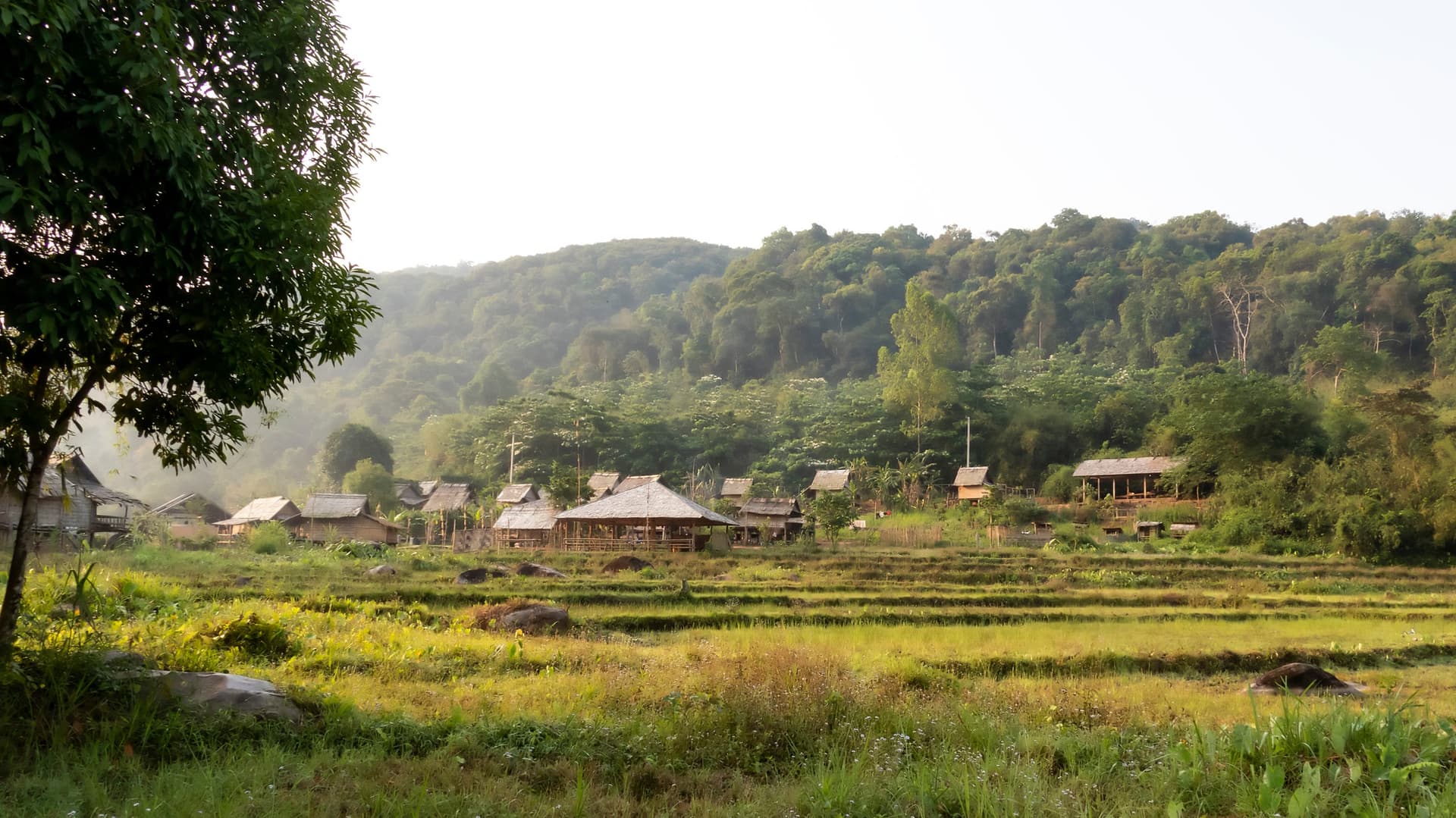
The Lao Theung (or Lao Thoeng) live between 400 and 900 meters above sea level. Composed of different ethnic groups, they include the Khamu (or Khmu), reputed to be the first inhabitants of Laos. Several Khamu villages dot the Mekong valley. Located near waterways, they're recognizable by their distinctive houses, equipped with thatched roofs. If you're fortunate enough to be invited by a local family, whatever you do, don't touch the amulet hanging at the entrance: it's forbidden to touch the "spirit" of the house!
The Khamu people live off fishing, hunting, agriculture and particularly the cultivation of vegetables, cotton and rice (the latter entrusted to women). Craftsmanship also plays an important role in their economy, thanks to the production of basketware (objects woven from plant fibers).
Lao Sung: The Mountain Tribe
Hmong
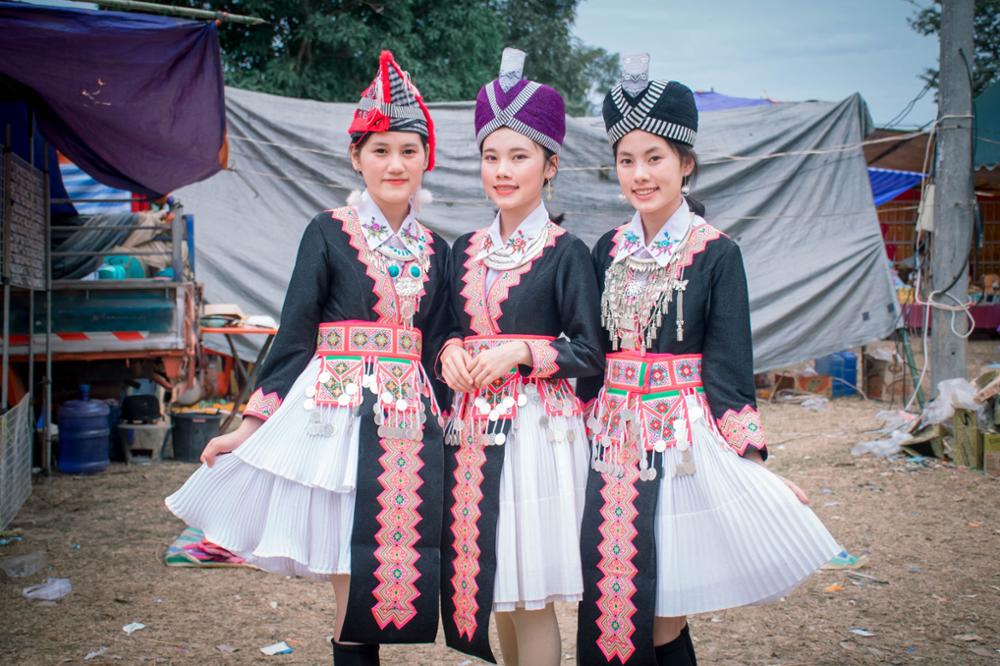
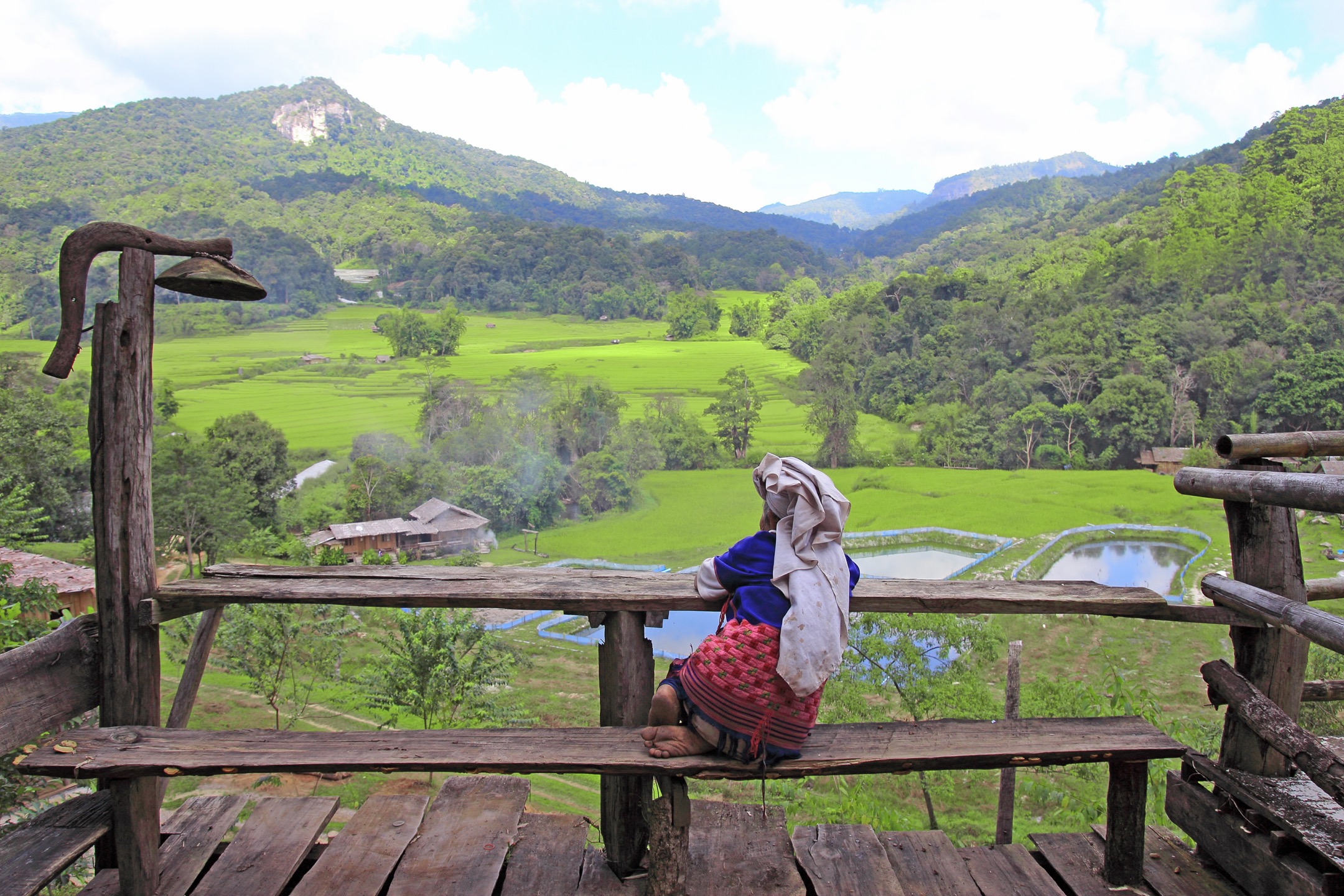
Known as the largest Lao Sung group, the Hmong live beyond 900 meters above sea level. To reach their remote villages, you'll need to undertake trekking through the heart of the Laotian mountains! Our tip? Choose the city of Louang Namtha! This Luang Namtha province, located in northwestern Laos, is an ideal region for hiking and encountering indigenous populations.
You can also meet members of the Hmong tribe in the provinces of Xieng Khouang and Hua Phan, located in northern Laos. Plan a two-day hike and spend a night with local families! Although reserved, the Hmong are nonetheless welcoming.
Hmong New Year is a beautiful traditional celebration. Observed in late November, it marks the end of the rice harvest season. Organized over several days, this event is filled with traditional dances, songs and performances by khene players – a Southeast Asian mouth organ.
During these festivities, young Hmong wear their finest traditional clothing and play the game of Pao. The goal? A man tosses a cloth ball to a woman to express his attraction… If she catches it, the attraction is mutual!
Lanten (Yao Mun)
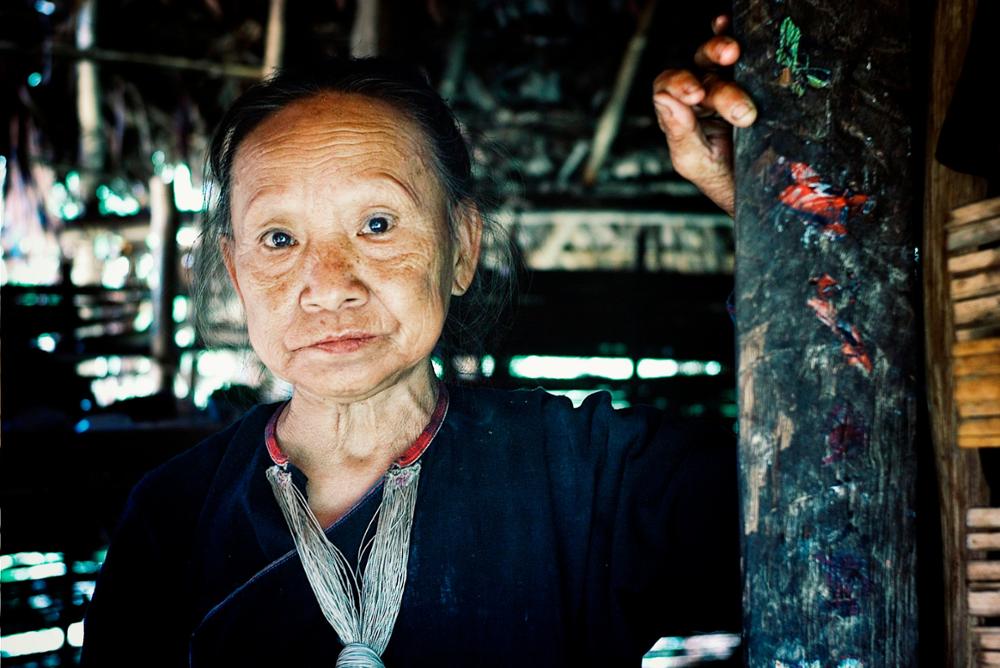
The Lanten (also known as Yao Mun) are a Taoist people. Originally from China, approximately 10,000 now live in Laos. Deeply attached to their culture, the Lanten wear their traditional clothing daily. Hand-woven, these garments are known for their indigo color. This hue comes from indigo plantations, cultivated in every family.
The Lanten people also produce paper made from bamboo pulp. The village of Bam Nam Dee (Nham Dy), located near Luang Namtha, is renowned for its production. This Lanten village welcomes passing visitors with hospitality… An opportunity to learn this local craft from the locals themselves!
Ethnic Minorities in Laos: Regions and Villages Where to Meet Them
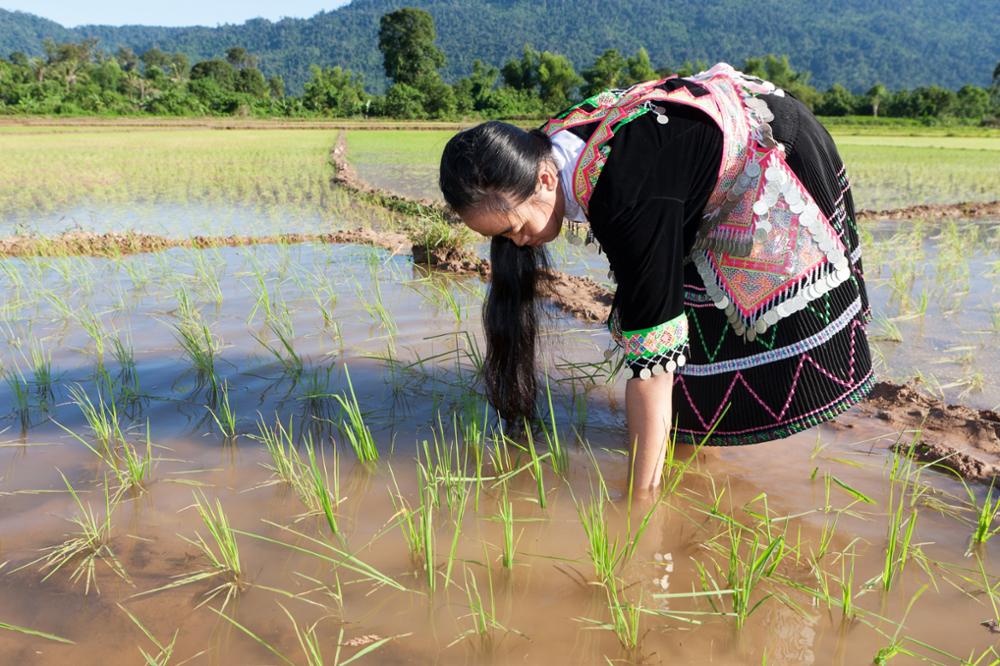
To discover the lifestyle and traditions of Laos's minority tribes, you'll often need to reach remote towns and villages. Here's a reminder of the main indigenous settlements:
Luang Prabang: situated in a valley at the confluence of the Mekong and Nam Khan rivers, this province is home to the villages of Ban Longlao Nung (where Khmu and Hmong tribes live), as well as Ban Xeng Mouk (where Lanten reside).
Luang Namtha: based in the country's northwest, this area is populated by over 175,000 inhabitants, of which 97% belong to minority ethnic groups. Hmong villages nestled in the heart of Xieng Khouang and Hua Phan provinces.
Frequently asked questions
Laos is home to around fifty ethnic groups, officially classified into three major families according to their altitude of habitation: the Lao Loum (lowlands), the Lao Theung (hills) and the Lao Sung (mountains).
The province of Luang Namtha, in northwestern Laos, is one of the most diverse: 97% of its population belongs to minority ethnic groups. The Luang Prabang region is also ideal, with Khmu, Hmong and Lanten villages accessible by trekking.
The Hmong New Year is celebrated in late November. It marks the end of the rice harvest season and takes place over several days with traditional dances, songs and the Pao game.
The Lanten, also called Yao Mun, are a Taoist people originally from China. Approximately 10,000 of them live in Laos. Recognizable by their hand-woven traditional indigo clothing, they're also known for their artisanal bamboo pulp paper production, notably in the village of Bam Nam Dee near Luang Namtha.
Yes, some communities like the Hmong welcome travelers for an overnight stay with local families, particularly in the provinces of Xieng Khouang and Hua Phan. The Lanten village of Bam Nam Dee, near Luang Namtha, also extends hospitality to visitors.