Paksé
Paksé
At the confluence of the Mekong River and the Se Don, Paksé opens the door to southern Laos: the Bolaven Plateau, Vat Phou, and the 4000 Islands await just a motorbike ride away.
Paksé literally means "mouth of the Se River." Far from being merely a translation, the name speaks volumes about this Laotian city. Indeed, it sits at the confluence of the Se Don River and the Mekong River. This charming city brims with appeal both in its downtown and surrounding areas, enchanting visitors with its echoes of old French architecture, tourist attractions, and the vibrancy it radiates.
History
Paksé was officially founded in 1905 at the initiative of French colonists. At the time, it served as an administrative outpost and capital of the Kingdom of Champassak. It retained this status until the creation of the Kingdom of Laos in 1946.
Prince Boun Oum Na Champassak subsequently made it his residence and primary seat. Once established, he initiated the construction of the Champassak Palace. However, the prince's flight in 1974 halted the palace's construction. In 1975, the building's completion was ensured by the Pathet Lao forces.
From then on, the locality began its rapid economic expansion. It became a region of considerable importance. In 2002, collaboration with Japan enabled the establishment of a bridge across the Mekong: cooperation that fostered Paksé's commercial and economic development. This also facilitated multiple connections with neighboring countries, including the establishment of road traffic with Ubon Ratchatani in Thailand.
Today
Paksé ranks among the most popular cities in Laos. Its numerous attractions make it an ideal and highly sought-after tourist destination: with its historic and religious monuments, fabulous natural sites, diverse cuisine, and downtown area featuring French colonial architecture. Tourists, however, tend to venture beyond the city center to explore the surrounding areas. And for good reason—breathtaking vistas await.
In the Heart of Paksé
The city's charms are often overshadowed by its surrounding sites. Yet it harbors some fabulous iconic monuments. Visiting Paksé inevitably means exploring its two bridges:
- the "old bridge" over the Se Don River: a viaduct offering stunning views of the former French quarter
- the Mekong River bridge: a gateway to Thailand and the country's economy
One essential destination is the Wat Luang temple, or Wat Poratana Sadsadaram. Dating from the twentieth century, this sanctuary's beauty lies in its skillful blend of traditional and modern architecture. It houses a library, a monks' school, and a monastery. Teeming with saffron-robed monks, this grand pagoda sits at the foot of the French bridge and the Se Don riverbanks. Nearby nestles Wat Phabad with its supposed footprint of Buddha. It stands as Paksé's oldest temple and the seat of the Buddhist bishop's school.
Other noteworthy sites include the Great Buddha, or Phou Salao. This is a temple complex built in 2011 located across from downtown, near the Japanese bridge. It makes for an interesting detour for those visiting Laos to see its Buddhist monasteries. The Champassak Museum welcomes archaeology enthusiasts. Various artifacts and symbolic objects are displayed: tools and instruments (artisanal, ethnic, religious, and musical); bronze Champa artifacts; traditional costumes from the Bolaven Plateau; and more.
Around Paksé
One might say Paksé resembles a flower whose petals surrounding its center bloom in full beauty. Its downtown serves as the main departure point for exhilarating adventures beyond the urban paths. Among the most popular destinations:
Phou Asa mountain: a must-visit for breathtaking views over the plains.
Chomphet village and Don Khor: featuring stone Buddha sculptures and golden Buddhas.
the rural island of Don Kho: perfect for relaxation and leisurely wandering, this island stands out for its traditional lifestyle, rice fields, fishing, silk weaving, and the hospitality of its inhabitants.
Ban Saphai island: equally renowned for its silk weavers, this peninsula houses several craft centers worth exploring.
the Bolaven Plateau at an altitude of 1,000 to 1,350 meters: located 50 kilometers from Paksé, these highlands beckon visitors for their tea, fruit, and cardamom plantations, as well as Arabica coffee; for their waterfalls (Tad Fane Twin Falls in the protected area of Dong, Hua Sao, Tad Yuang, Tad Lo, and Tad Phasum); for their ethnic villages; for their fertile lands and lush jungle.
Wat Phou and its Khmer temple ruins: with ruins dating back to the fifth century, this UNESCO-recognized site captivates history and archaeology enthusiasts with its pre-Angkorian monuments.
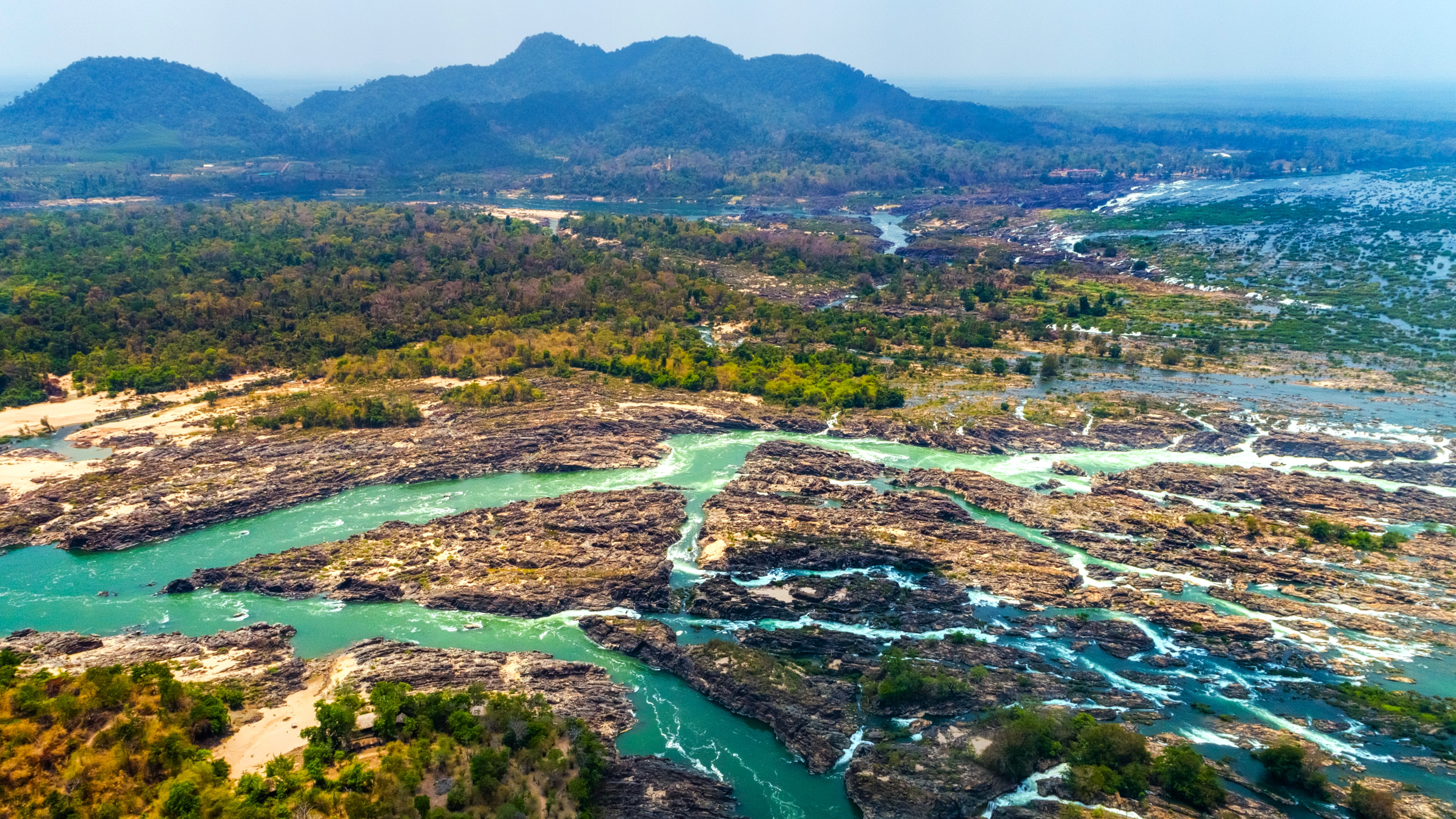
Si Phan Don, or the 4000 Islands: allow at least 4 hours of travel to reach this archipelago. It sits within the great Mekong River, between the southern borders of Laos and Cambodia. This destination perfectly aligns with any desire for relaxation and leisure.
Climate and Geography
The third most populous city in Laos, Paksé enjoys a tropical savanna climate. Temperatures remain generally hot throughout the year, especially during the pre-monsoon period (March and April).
For a vibrant and activity-rich Paksé program, opt for the dry season (November to March): minimal rainfall and high sunshine.
By Air:
Pakse International Airport (PKZ) receives regular flights to and from Siem Reap, Savannakhet, Vientiane, Bangkok, Da Nang, and Ho Chi Minh City. There are no direct flights from France.
By Bus:
For those preferring the road route, several alternatives exist to reach this Laotian city by bus:
VIP buses: generally, this journey takes about 10 hours departing from Vientiane. This option suits those wishing to enjoy the scenery and discover more of the country.
Mini-buses: certain travel agencies operate Paksé-Bangkok connections.
On Foot:
A fine way to experience the downtown's hidden corners: walking. Moreover, given its small size, stretching your legs is highly recommended.
By Tuk-tuk:
Practical and less tiring, a ride costs between 3,000 to 20,000 kips: prices are negotiable.
By Motorbike or Bicycle:
In Paksé, you can rent a 100cc or 110cc motorbike for a modest 60,000 kips per day. A bicycle costs 10,000 kips. These are the best transport options for reaching Paksé's remote locations, such as the Bolaven Plateau highlands. Operating these vehicles requires neither experience nor a license. However, in an uninsured context, road caution is essential.
By Car:
With or without a driver, this option suits groups of several people wishing to access distant sites.
Practical Information
Multiple ATMs have sprung up throughout the city due to local tourism development. Currency exchange and traveler's check exchanges are also possible. Two banks can handle these transactions: BCEL and Lao Development Bank.
What to Do?
enjoy the city's nightlife at: the Paksé Hotel at Bane Watlouang, Katuad Cafe, Lotty Discotheque, etc.
take a motorbike tour of the Bolaven Plateau highlands
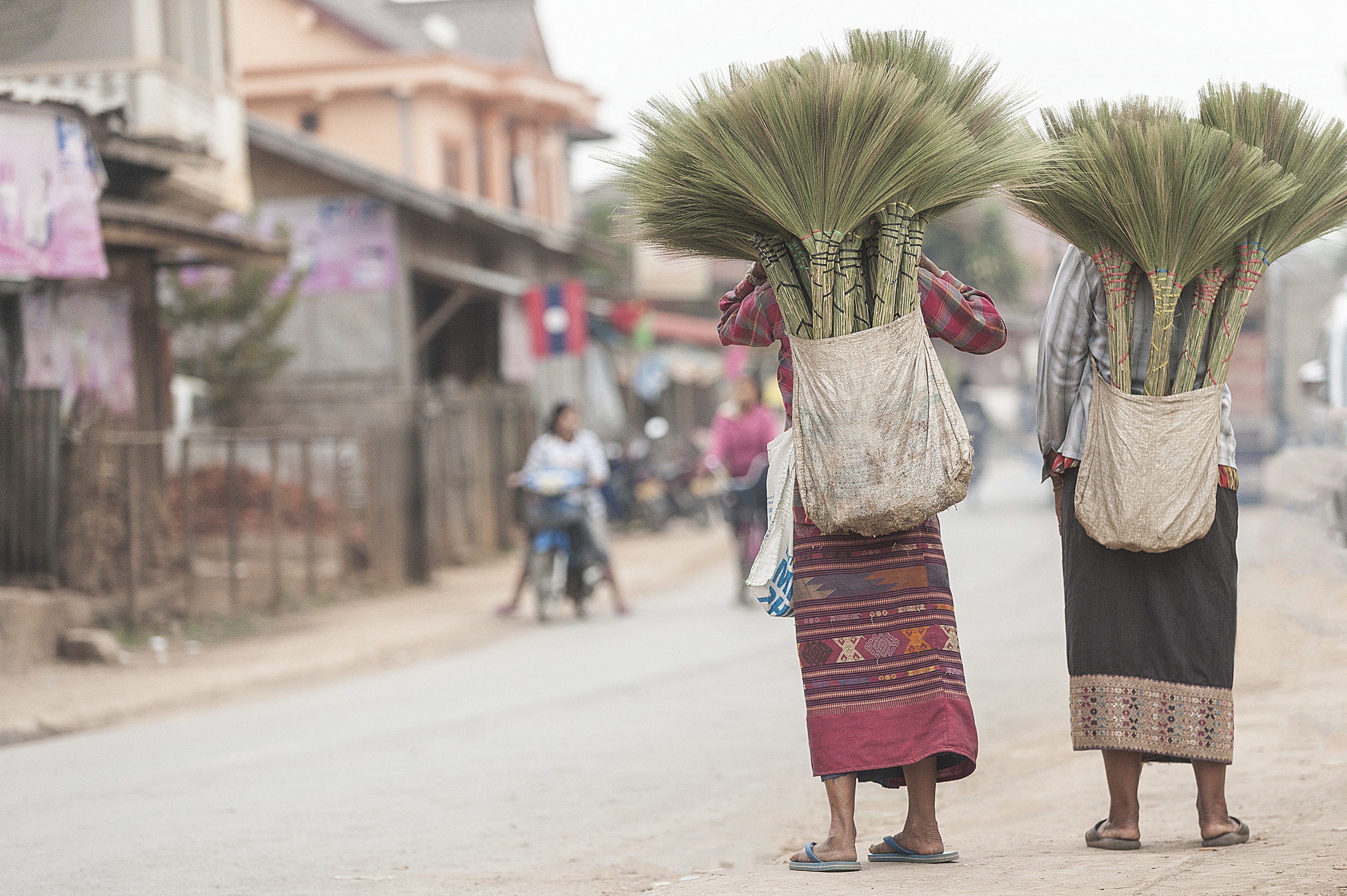
spend at least an hour at the grand Dao Heuang morning market where local food products and flowers in countless hues are sold
explore other city markets: Day Market, the new Frères Tang Market, Champassak Plaza (or small market), and Talat Dao Heung.
see the impressive Great Buddha temple
arrange a boat excursion and organize an eco-tour within the villages of Paksé's idyllic islands: Don Kho, Ban Saphai, and Wat Chomphet
indulge in jungle trekking
unwind at one of Paksé's massage centers: Style Massage, Thanida Spa, Dok Champa, and Keo Oudone
try kayaking, rafting, or rock climbing in the Bolaven Plateau
attend the region's numerous festivals: the boat races on the Se Don River in late October, the Mark Beng or banana leaf parade, the Ork Pan Sa or Buddhist celebration day
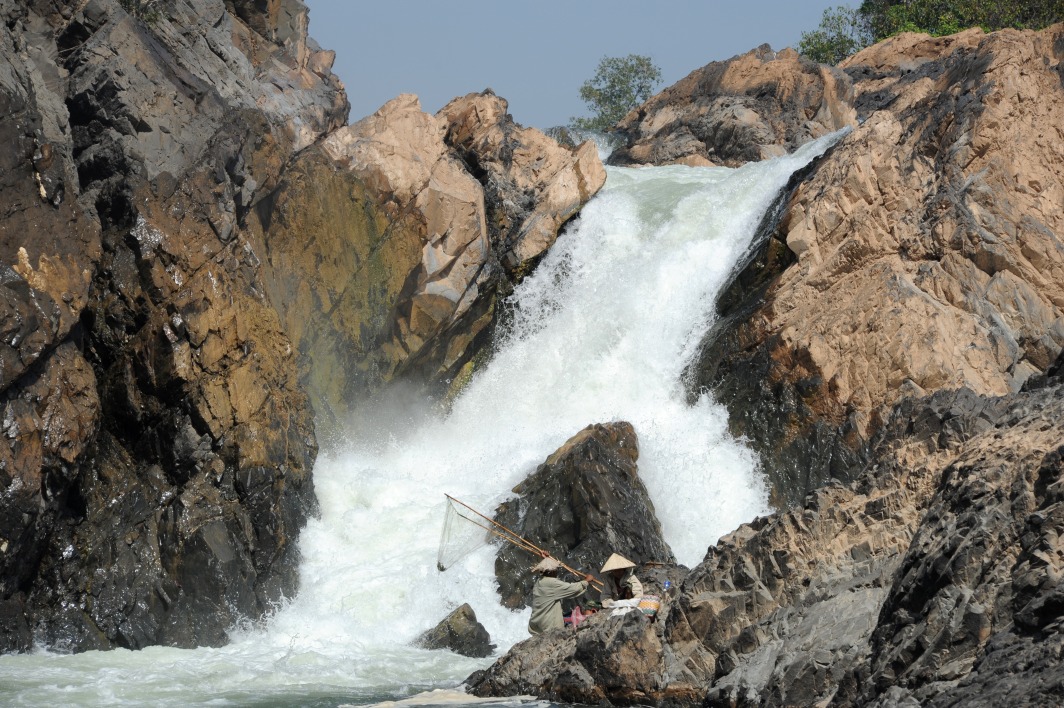
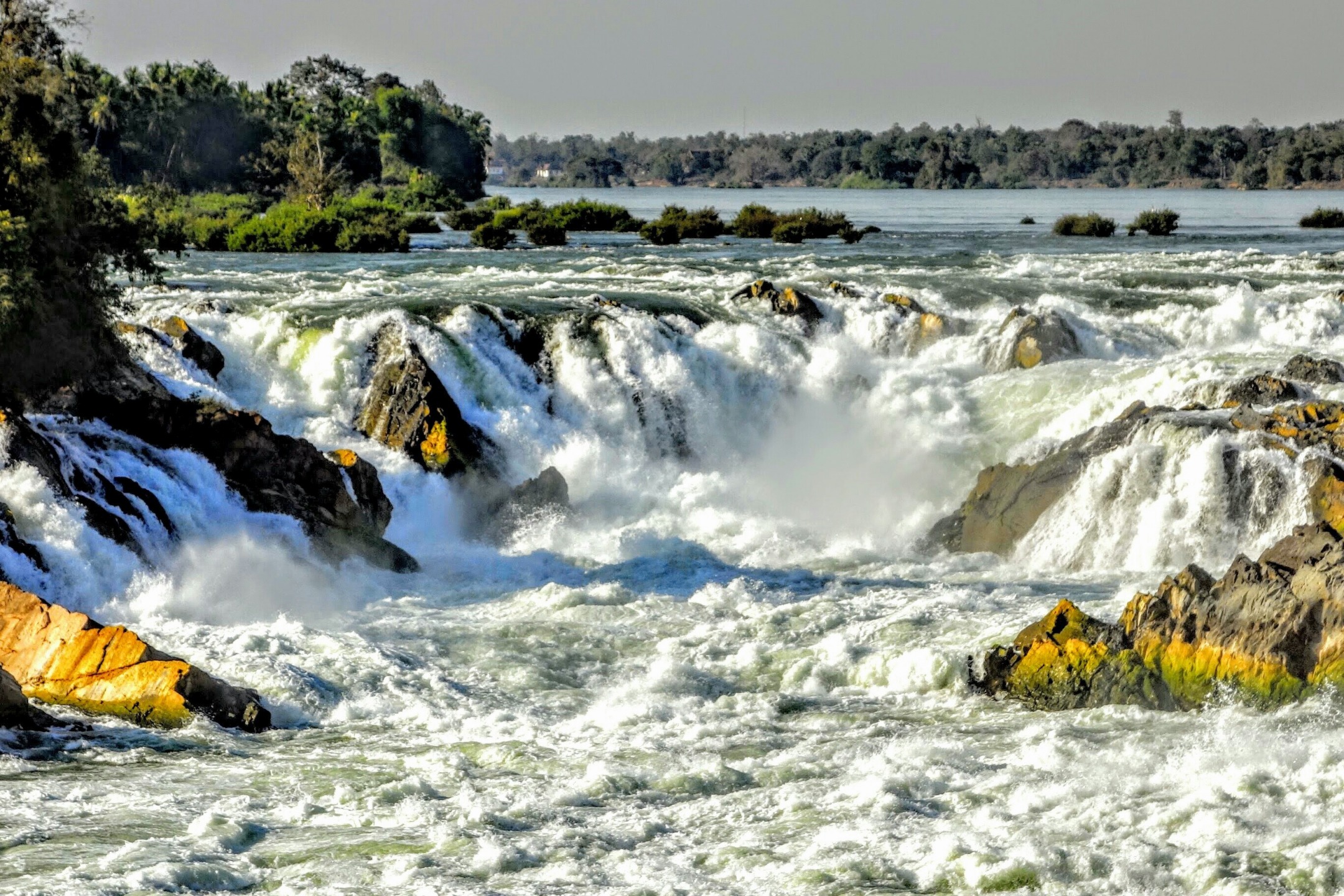
visit Khone Falls
take a tour of the Champassak Palace Hotel
embark on a gastronomic journey at the city's Western or Indian restaurants, pizzerias, cafes, and bars
Want to discover this destination?
Our local advisors design your tailor-made trip.