Ban Chan
Ban Chan
Ten minutes from Luang Prabang by boat, Ban Chan has perpetuated the art of Laotian pottery for 400 years. Meet the last artisans of the Mekong.
Ban Chan – also called Ban Tjan and Ban Tchan – belongs to those villages in Laos known for their specialized crafts. While some specialize in silk weaving or rice distillation, this one stands out for its ceramic creations. Throughout northern Laos, the reputation of this "pottery village" stems from the quality of its jars (hai in Lao) and other types of terracotta objects such as vases, bricks, and tiles. For its inhabitants, this craft remains an ancestral heritage and a way of life that shapes their daily existence. True, fewer locals practice it nowadays, but it remains the village's calling. For lovers of handcrafted work and traditional culture, a visit here will offer an exceptional human adventure.
Visiting the village and its surroundings
Pottery is an integral part of the identity of Ban Chan's 300 inhabitants, located near Luang Prabang. This ceramic art represents for them a local tradition perpetuated from generation to generation for over 400 years. Although this practice is fading day by day due to declining demand, the village continues to express this ancestral knowledge. That said, only five or six families practice it today, compared to 80 households in the past.
A potter today, a potter always!
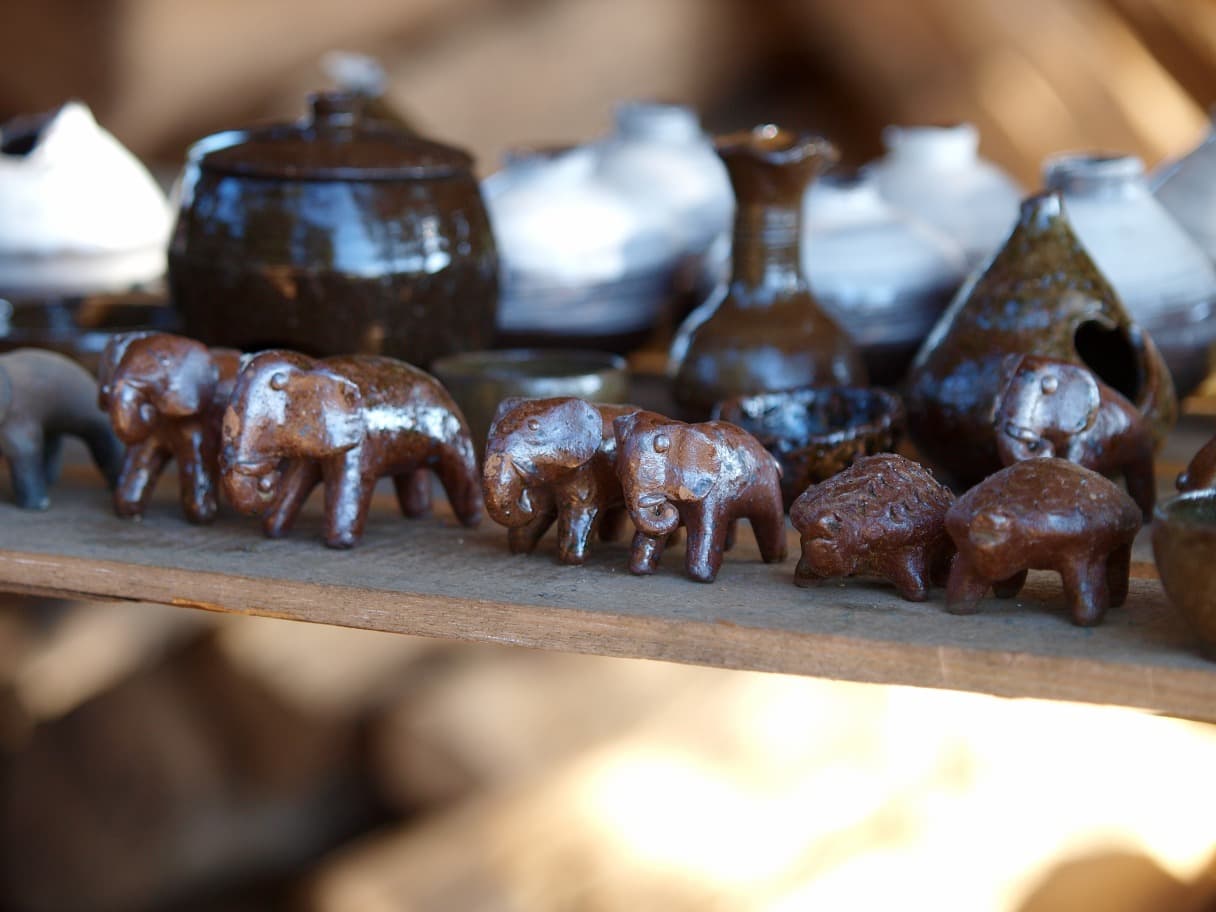
Young and old alike put their hearts into their work. It's a pleasure to watch them shaping clay: from modeling to firing and cooling. Yesterday as today, they employ rudimentary and natural methods. They make everything: small figurines, candlesticks, miniature pots, jars for storing rice or Ban Xang Hai rice whiskey, bricks, tiles, and ceramics. That said, some of these objects require specific manufacturing processes. For bricks, for instance, the kiln built along the main road must be preheated for 4 days. The men take turns supplying it with logs of wood. Once it's hot enough, they load the kiln. Once fired, they let it rest and cool.
In principle, the villagers find clay in the surrounding area. They harvest it and let it dry. Then they grind it and mix the resulting powder with water. They knead the mixture to give it a homogeneous, plastic texture. They then let it rest for a time before shaping it and firing it.
With a view to preserving this ancient vocation, the government has lent its support to Ban Chan. It has provided the remaining artisan families with mechanized tools such as gas kilns to increase their production and lower prices. These are measures they hope will bring greater profitability to this trade.
Visiting this village allows you to observe this entire long process firsthand, while also engaging with the villagers. It's an excellent opportunity to learn more about the history of pottery in Laos, its design methods, and shape variations.
Beyond that, you'll also have the chance to try your hand at the craft under the supervision of an expert. Simply visit the village's workshop-shop to enjoy courses in traditional pottery. And should you wish, purchasing their terracotta products will actively support the local economy.
Around the "pottery village"
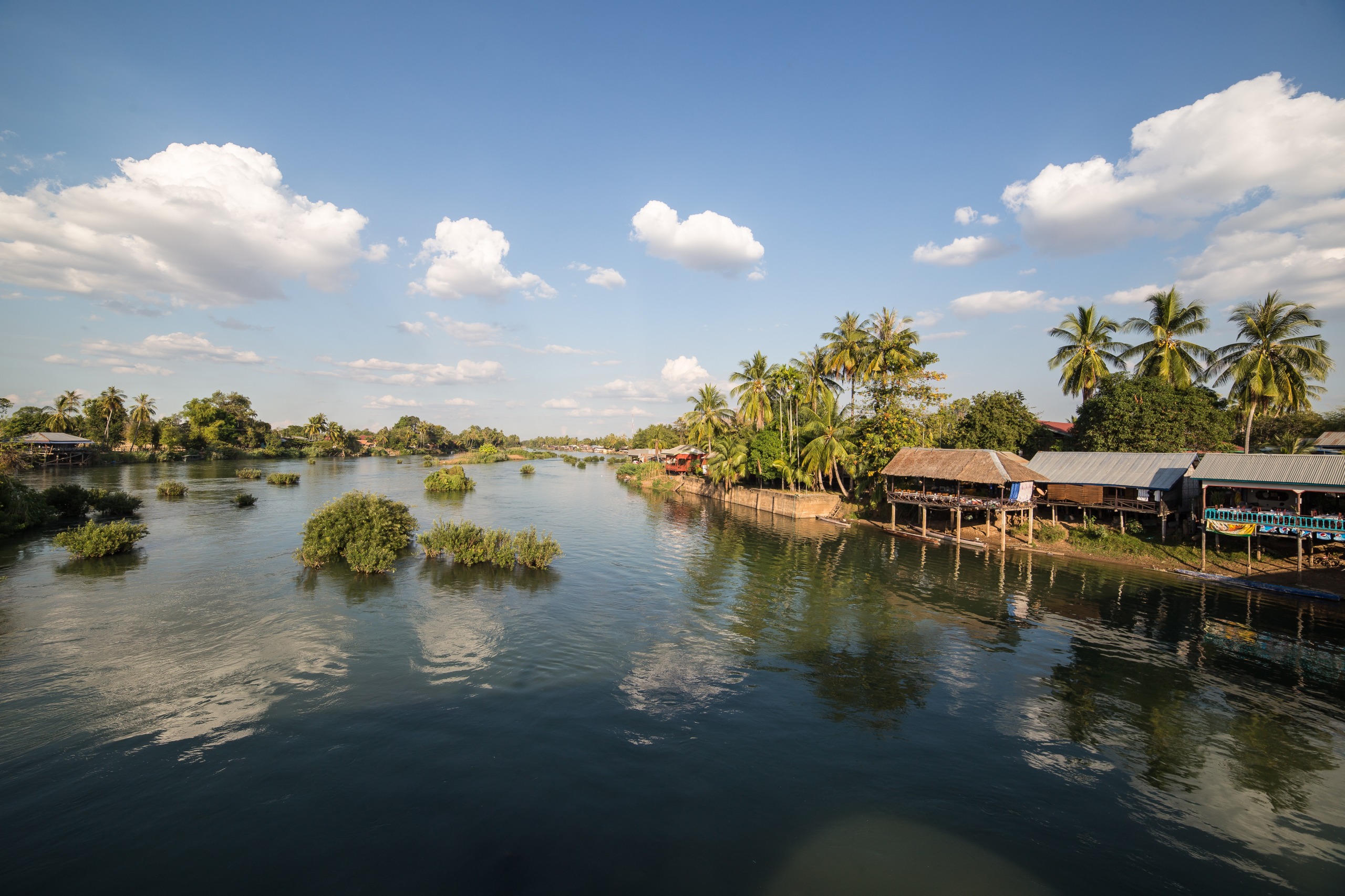
While you're there, enjoy a leisurely stroll between its wooden huts and tile, brick, and ceramic factories in the open air. Spend some time wandering along the Mekong and perhaps visiting Wat Chompet pagoda. Further on, you can admire the countryside life of Luang Prabang.
The setting offered by this village depicts authentic Laos that bears no resemblance to mass tourism. The only touristy spots remain the attractive bungalows set on the banks of the Mekong and its workshop-shop.
Ban Chan sits across from Luang Prabang, on the opposite bank of the Mekong River. From this major Lao city, you can reach it by water. The journey is downstream and takes only about ten minutes. As for transport, you have two options.
- The Ferry
You can take the ferry for 5,000 kips per person to reach the opposite bank. Once ashore, you walk about 1 kilometer along the path leading southwest.
- The Boat
This is the quickest alternative. You rent a boat for 20,000 kips per person to arrive directly at the village.
Useful information
- Ban Chan is most appealing in the early mornings, at first light.
· During the rainy season, bring suitable, non-slip sandals.
- The village potters do not work on Van Sin days: full moon, new moon, and quarter moon days.
· Locals don't speak English. Without an English-speaking guide translator, communication relies on improvised sign language.
Want to discover this destination?
Our local advisors design your tailor-made trip.